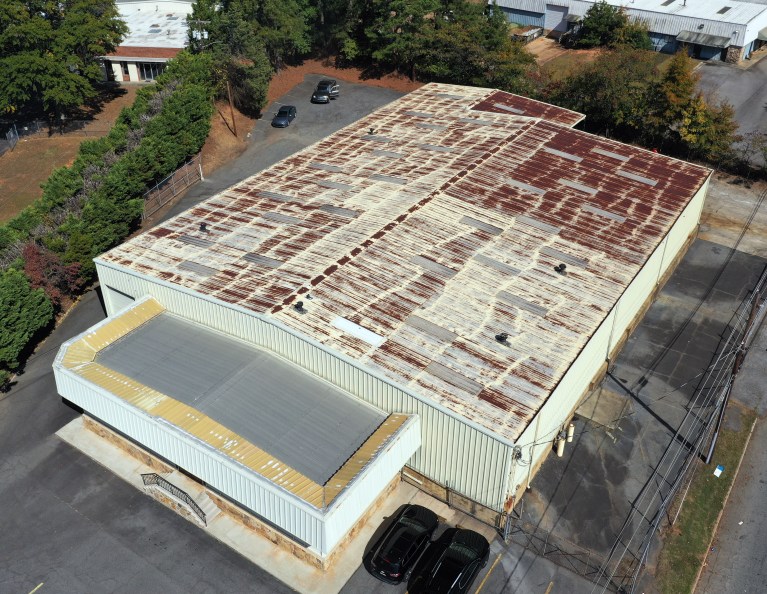
What Property Managers Need to Know About Roof Coatings
Roof coatings are a popular solution for extending the lifespan of roofs and improving energy efficiency, but they are not necessarily understood by property managers across the board. If you are in charge of maintaining a commercial building, this article will help you to become well-informed about what roof coatings can and can’t do – and, therefore, help you to make the best decision for your building.

Common Misunderstandings and Myths
- Roof Coatings Are Only for Flat Roofs: Roof coatings can be used on both flat and sloped roofs. While flat roofs tend to benefit the most from coatings due to their low slope and tendency to accumulate water, many coatings are designed to work effectively on sloped roofs as well. Different types of coatings, such as acrylic, silicone, and elastomeric, can be applied to various roof types, including metal, asphalt, and concrete. The key is choosing the right product for your roof’s material and slope.
- Roof Coatings Are a Permanent Fix: While roof coatings can significantly extend the life of a roof, they are not always a permanent solution. Coatings can typically last between 10 to 20 years, depending on the type of coating, weather conditions, and the underlying roof’s condition. However, over time, coatings can wear down from UV exposure, weathering, and physical damage. Regular maintenance and reapplication may be necessary to maintain their protective properties. Roof coatings can delay the need for a full roof replacement, but they don’t eliminate the eventual need for more extensive repairs or replacement.
- Roof Coatings Can Fix Structural Damage: Roof coatings are not designed to fix underlying structural issues. If a roof has significant structural damage, such as sagging, leaks from worn-out materials, or compromised decking, applying a coating will not address these problems. Roof coatings are a preventive measure and are best suited for protecting a roof from the elements and minor wear and tear. Before applying a coating, property managers should inspect the roof for any structural issues that need attention. Coatings should be considered part of a broader roof maintenance program rather than a catch-all solution for damaged roofs.
- Roof Coatings Are Only for New Roofs: Roof coatings can be applied to both new and old roofs. In fact, one of the main benefits of roof coatings is their ability to extend the life of an existing roof. For older roofs, coatings can be particularly beneficial in sealing small cracks, repairing minor leaks, and improving the overall durability of the roofing system. Property managers can use coatings to save on costly roof replacements while adding years to the roof’s service life. However, it’s important to properly prepare the roof by cleaning and repairing any significant issues before applying a coating.
- Roof Coatings Will Make My Roof Watertight: Roof coatings reduce the chances of leaks and water infiltration, but they do not guarantee a completely watertight roof. Roof coatings can seal minor cracks and gaps, and many are designed to be waterproof or water-resistant. However, if the roof already has significant damage, such as large tears, holes, or heavy wear areas, the coating will not resolve these issues. It’s crucial to ensure that the roof is in good condition before applying the coating and that any existing leaks or damage are addressed beforehand.
- All Roof Coatings Are the Same: There are various types of roof coatings, and each is designed for specific applications and roof types. The three most common types are acrylic, silicone, and polyurethane coatings. Acrylic coatings are best for UV protection and waterproofing, while silicone coatings excel at reflecting heat and are ideal for roofs exposed to standing water. Polyurethane coatings offer durability and are excellent for high-traffic areas. Property managers need to choose the right type of coating based on factors like the roof’s material, the local climate, and the building’s specific needs.
- Roof Coatings Are Expensive: While roof coatings can have upfront costs, they are often more affordable than full roof replacement. When you factor in the long-term benefits—such as reduced energy costs (due to heat reflectivity), extended roof life, and fewer repairs—roof coatings can save significant money over time. Additionally, applying a roof coating is quicker and less disruptive than replacing the entire roof. It’s an investment that can yield a high return, especially for property managers working within tight budgets.
Unicoat Roofing Has the Answers
The best way to understand the features, benefits, and possibilities of roof coatings is to consult with an expert. With over 4 million gallons of installed coatings and 80 years of combined experience, the team at Unicoat Industrial Roofing has the expertise you need to make the best decision for your company. Don’t make a significant decision about your roof without professional guidance – call Unicoat today.