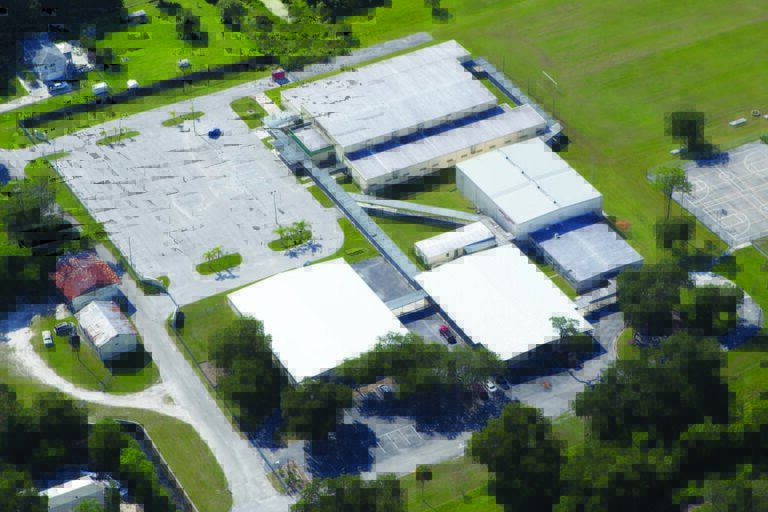
Cool Roof Design: Color and Materials
Cool roofing systems are a crucial innovation in sustainable architectural design, especially for commercial buildings. Their primary purpose is to reduce heat absorption by reflecting more sunlight and emitting more heat than standard roofing materials. Two key factors that determine the effectiveness of cool roofs are color and materials. Understanding their roles in roof design is essential for building owners and engineers looking to optimize energy efficiency and reduce operational costs.

The Impact of Color on Cool Roofing Performance
Color plays a significant role in the thermal performance of a roof due to its influence on solar reflectance. Light-colored roofs—particularly white and other pale hues—reflect significantly more sunlight than darker roofs. For instance, a white roof can reflect up to 80% of sunlight, compared to a traditional dark roof that may reflect as little as 5-20%.
This difference in reflectance can result in substantial energy savings. By reducing the amount of heat absorbed, light-colored roofs keep the building’s interior cooler, lowering the need for air conditioning and decreasing electricity consumption. This not only reduces utility costs but also extends the life of the HVAC system.
In urban environments, the widespread use of light-colored roofs can also help combat the urban heat island effect, where cities become significantly warmer than surrounding rural areas due to heat-absorbing surfaces like asphalt and dark roofs.
However, aesthetics and local climate can influence color choices. In colder climates, where heating rather than cooling is the dominant energy need, darker roofs may sometimes be more appropriate due to their heat-retaining properties. But even in these regions, cool roofing can be beneficial in buildings that experience heat gain for most of the year or for large commercial spaces with substantial cooling loads.
The Role of Materials in Cool Roof Design
Beyond color, the material composition of roofing systems is critical in determining their reflectance and thermal emittance. Cool roofing materials are designed to be reflective, emissive, or both, and include:
Single-ply membranes (e.g., TPO, PVC, EPDM): These are among the most popular materials for commercial cool roofs. Thermoplastic polyolefin (TPO) and polyvinyl chloride (PVC) membranes are inherently white and highly reflective, making them ideal for energy-efficient applications. Ethylene propylene diene monomer (EPDM), typically black, can be modified or coated with reflective materials to improve performance.
Coated roofs: Existing roofing materials can be upgraded using reflective coatings, typically made from acrylic or silicone. These coatings improve solar reflectance and emissivity while extending the roof’s lifespan by protecting it from UV degradation.
Metal roofs: While unpainted metal is reflective, it is not necessarily emissive. However, painted or coated metal roofing with high-reflectance pigments can offer both reflectivity and emissivity. Additionally, metal roofs are durable and recyclable, making them a sustainable option.
Built-up and modified bitumen roofs: Traditionally made with dark, heat-absorbing materials, these systems can be made “cool” with reflective surfacing options such as gravel embedded in reflective coatings or specialized reflective cap sheets.
Integrated Benefits of Color and Material Choice
The combination of high-reflectance colors with advanced materials leads to maximum efficiency. When selecting a roofing system, the Solar Reflectance Index (SRI)—which combines reflectivity and emissivity into a single value—can help guide decisions. Higher SRI values indicate better performance.
Additionally, the choice of materials and color must take into account durability, maintenance needs, installation costs, and local climate. Long-term performance, such as resistance to soiling or degradation, can affect how reflective a roof remains over time. Periodic maintenance and cleaning can preserve reflectivity and ensure continued performance.
Color and material selection are foundational to the success of cool roofing systems in commercial buildings. As energy efficiency becomes a central concern in building design, the strategic use of color and material in cool roofing will continue to play a pivotal role in shaping sustainable commercial architecture.
Unicoat Industrial Roofing is a leading installer of high-quality roof coatings for commercial buildings. Call today to learn more about how roof coatings can save you money and protect your building.