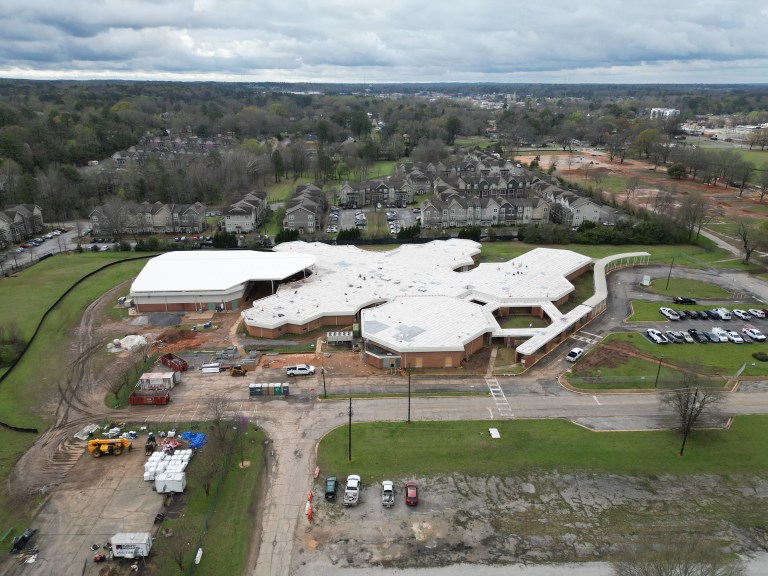
What Constitutes a Structurally Sound Roof?
The integrity of a commercial roof is crucial for maintaining a building’s safety and functionality. At some point, every roof system will need repair or replacement. Before deciding whether roof coatings are an appropriate solution for your commercial roof, a contractor must determine whether the majority of your roof is structurally sound.
Determining whether a commercial roof is structurally sound involves evaluating several key factors. Here’s a comprehensive overview of what determines if a commercial roof is structurally sound.

- Design and EngineeringLoad-Bearing Capacity: The design of a commercial roof must account for various loads, including the weight of roofing materials, equipment, snow, ice, and wind. Roofs are engineered to handle these loads, and exceeding their capacity can lead to structural issues. The design should also consider the building’s use and local climate conditions.Material Selection: The choice of roofing materials affects structural soundness. Common commercial roofing materials include metal, EPDM (ethylene propylene diene monomer), TPO (thermoplastic olefin), and modified bitumen. Each material has specific properties regarding weight, flexibility, and durability. The roofing material must be appropriate for the design and expected loads.
- Construction Quality
Installation: Proper installation is crucial for roof performance. Poor installation can lead to inadequate sealing, improper fastening, and insufficient insulation. Each roofing system has specific installation requirements that must be followed to ensure durability and effectiveness.Workmanship: Skilled workmanship affects the overall quality of the roof. Errors or shortcuts taken during construction can compromise the roof’s ability to perform as intended. Regular inspections during construction can help identify and address potential issues early on. - Maintenance and Repairs
Regular Inspections: Routine inspections help identify potential problems before they become serious. Inspectors look for signs of wear and tear, damage, and potential weaknesses. Regular inspections can prevent minor issues from escalating into major problems.Timely Repairs: Addressing issues promptly is essential for maintaining roof integrity. Minor leaks, damaged flashing, and loose membranes should be repaired as soon as they are detected. Delaying repairs can lead to more extensive damage and costly repairs. - Material Durability
Longevity: Different roofing materials have varying lifespans. For example, metal roofs can last 40-70 years, while single-ply membranes like TPO typically last 20-30 years. The material’s durability affects how often the roof will need maintenance or replacement under normal conditions.Weather Resistance: Materials must be able to resist local weather conditions, including UV exposure, moisture, severe storms, and extreme temperatures. - Structural Support
Decking and Underlayment: The roof deck, usually made of plywood or oriented strand board (OSB), provides the primary support for the roofing system. It must be in good condition, free from rot, and properly supported by the building’s structure.Support Beams and Trusses: The structural elements that support the roof, such as beams and trusses, must be strong enough to handle the loads placed on them. These components must be regularly inspected for signs of stress or damage. - Compliance with Building Codes
Code Requirements: Roofing systems must comply with local building codes and regulations. These codes dictate requirements for load-bearing capacity, fire resistance, and energy efficiency. Ensuring the roof meets or exceeds these requirements is crucial for safety and legality.Permitting: Proper permitting is essential for both new installations and major repairs. Permits ensure that relevant authorities inspect and approve the work, confirming that it meets all necessary standards. - Environmental Factors
Drainage: Effective drainage systems are vital for preventing water accumulation on the roof. Standing water can lead to material degradation, leaks, and structural damage. Roofs should have proper slope and drainage systems, such as gutters and downspouts, to manage rainwater efficiently.Ventilation: Proper ventilation helps regulate the roofing system’s temperature and moisture levels. Inadequate ventilation can lead to issues like trapped heat and condensation, which can cause damage over time.
Determining if a commercial roof is structurally sound involves assessing its engineering and construction quality, maintenance practices, and environmental factors. Regular inspections and adherence to best practices in these areas can ensure that a commercial roof remains safe and functional over its lifespan.
Unicoat Industrial Roofing is one of the country’s leading providers of quality-installed roof coatings. Before replacing your roof, determine if affordable roof coatings are right for you.