How Various Building Components Affect Your Roof
A commercial roof is a critical component of any building, providing protection from the elements and contributing to the structure’s overall integrity. However, its health can be influenced by various factors related to other parts of the building. Understanding these influences can help maintain the roof and extend its lifespan. Below are several key building components that can affect the health of a commercial roof.

1. Building Structure and Design
The design and structural elements of a building play a significant role in the condition of the roof. If the building’s design leads to uneven weight distribution or structural stress, the roof can experience accelerated wear. For example, a roof not adequately supported or designed to handle the loads placed on it can develop sagging or other issues. Structural elements such as trusses and beams must be properly aligned and supported to ensure even weight distribution. Any design flaws or structural deficiencies should be addressed promptly to prevent long-term damage to the roof.
2. HVAC Systems
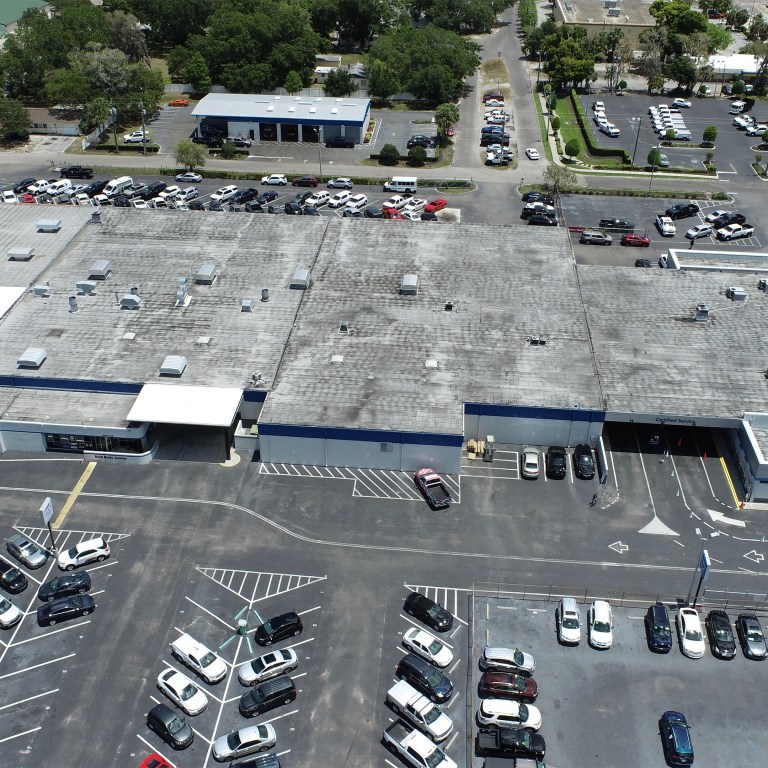
Rooftop HVAC units and other mechanical systems are commonly installed on commercial roofs. While these systems are essential for climate control within the building, they can impact roof health if not properly managed. Heavy HVAC units can additionally stress the roof structure, and improper installation or maintenance can lead to leaks or damage. Regular maintenance of HVAC systems is crucial to ensure they do not contribute to roof problems. Additionally, proper installation practices, such as using appropriate mounting methods and ensuring proper sealing around penetrations, are essential to minimize roof damage.
3. Drainage Systems
Effective drainage systems are vital for maintaining the health of a commercial roof. Roofs are designed to shed water, but water can pool on the roof if gutters, downspouts, and internal drains are clogged or inadequately designed. This standing water can lead to various issues, including leaks, roof deterioration, and even structural damage. Regular cleaning and maintenance of gutters and drainage systems are necessary to prevent blockages and ensure water flows away from the roof effectively. Additionally, roof drains should be inspected to ensure they function correctly and do not contribute to drainage problems.
4. Building Usage and Maintenance
How a building is used can also impact the roof’s health. Heavy equipment or materials moved on the roof can cause physical damage to the roofing material. For instance, frequent foot traffic or the movement of heavy objects can lead to wear and tear, which may eventually result in leaks or other issues. Regular inspections and maintenance are crucial to address potential problems before they escalate. Building managers should be mindful of the activities conducted on the roof and ensure that any maintenance or repairs are carried out carefully to avoid causing additional damage.
5. Penetrations and Installations
Roof penetrations such as vents, skylights, chimneys, and other installations can be potential sources of leaks if not properly sealed and maintained. The areas around these penetrations are often vulnerable to water infiltration if the seals and flashings are not adequately maintained. Ensuring that all roof penetrations are correctly installed and regularly inspected is essential for preventing leaks. Any signs of wear or damage around these areas should be addressed promptly to maintain the roof’s integrity.
6. Insulation and Ventilation
Proper insulation and ventilation are crucial for regulating temperature and moisture levels within a building. Poor insulation or inadequate ventilation can lead to issues such as condensation, ice dams, or increased heat buildup, all of which can damage the roof. For instance, condensation can lead to moisture buildup, which may contribute to mold growth and structural damage. Ensuring that the roof has adequate insulation and ventilation systems can help manage temperature fluctuations and moisture levels, prolonging the roof’s lifespan.
7. Nearby Vegetation
Vegetation, such as trees or plants near the building, can impact the roof’s health in several ways. Falling branches, leaves, and other debris can clog gutters and drainage systems, leading to water pooling and potential roof damage. Additionally, overhanging branches can cause physical damage to the roof surface. Regular maintenance of nearby vegetation, including trimming branches and clearing debris, can help prevent these issues and protect the roof from potential damage.
Call for an Inspection of Roofing and Building Components
The health of a commercial roof is influenced by a range of factors related to other building components. Regular inspections, proper maintenance, and timely repairs are key to preserving the roof’s health and safeguarding the overall structure.
Call Unicoat today to schedule an inspection and be ready for winter weather.