
What are Roofing Substrates?
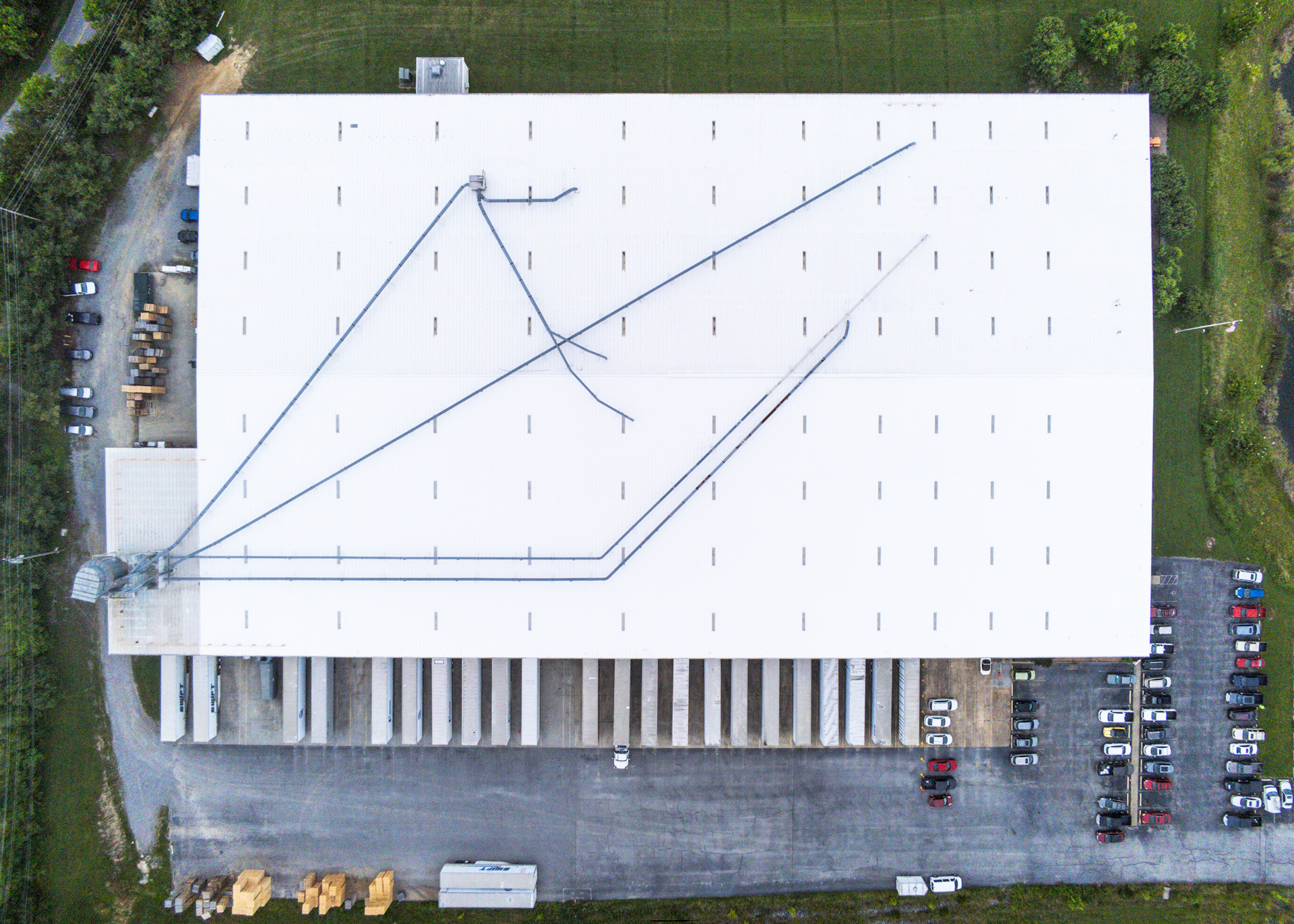
Commercial roofing substrates are the foundational layers that support the entire roofing system. In the context of commercial buildings, roofing substrates are critical for ensuring the stability, durability, and performance of the roof.
The substrate provides the necessary foundation for the roofing materials, helping them adhere and function properly while protecting the structure beneath it. Understanding the different types of commercial roofing substrates is essential for selecting the right roofing system based on factors such as building design, climate, and specific performance needs.
Importance of Roofing Substrates in Commercial Roofing
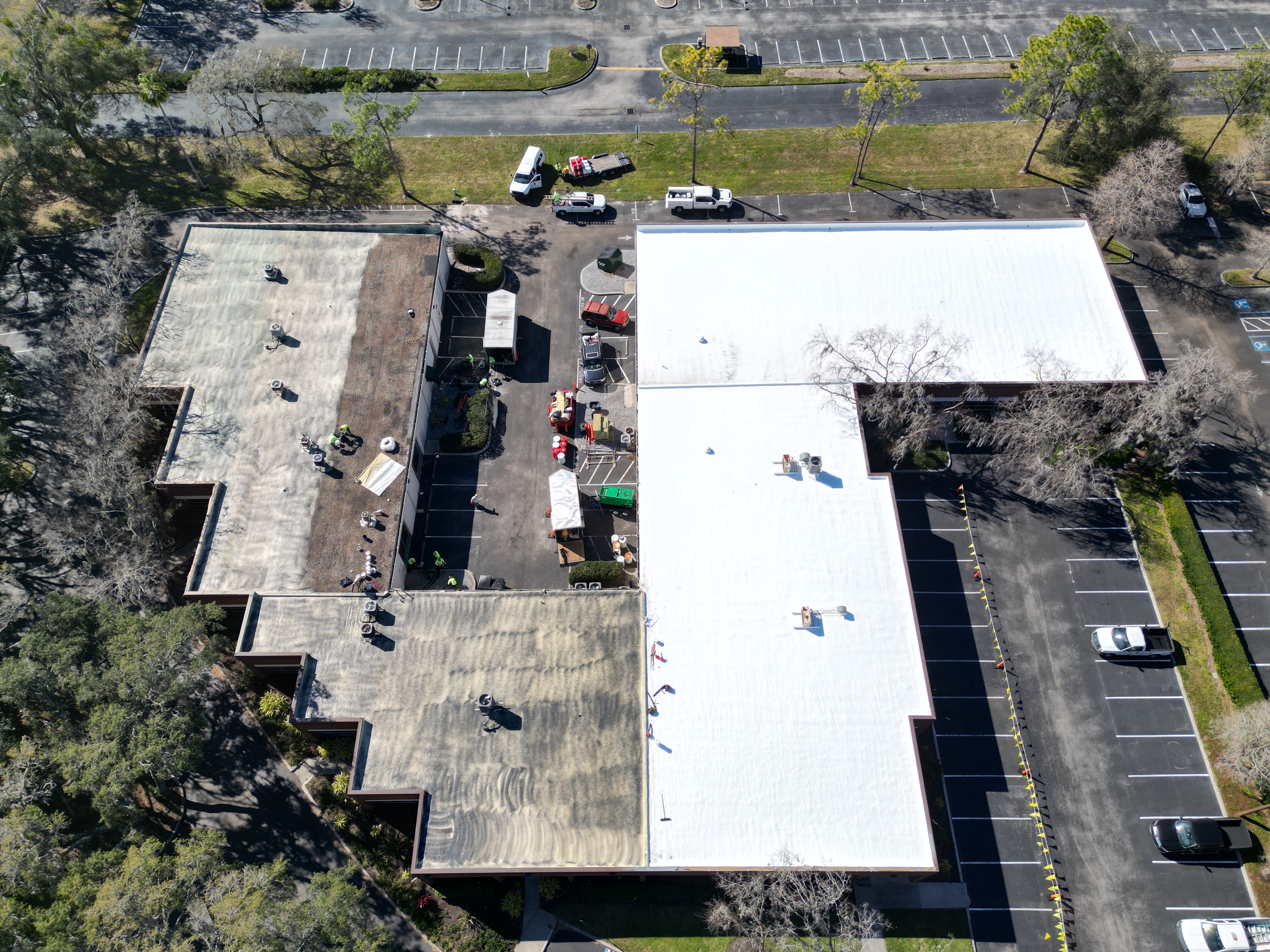
The choice of substrate has a significant impact on the overall performance and longevity of a commercial roofing system. Factors such as climate, building design, cost, and expected roof lifespan all influence the selection of the right substrate. Buildings in areas with extreme weather conditions may require more durable, fire-resistant substrates like concrete or steel, while buildings in milder climates might benefit from the cost-effective and relatively lightweight properties of plywood or OSB.
The substrate also plays a role in the roofing system’s energy efficiency. Insulated substrates can contribute to better thermal performance, reducing energy consumption and lowering utility costs for the building.
Types of Commercial Roofing Substrates
Several types of materials are commonly used as substrates in commercial roofing systems. Each has distinct characteristics, advantages, and challenges. The most common commercial roofing substrates include:
Plywood is a versatile, cost-effective substrate widely used in commercial roofing. It is made from thin layers of wood veneer that are bonded together, providing strength, flexibility, and resistance to warping. Plywood is typically used in low-slope roofing systems or residential applications but can also be found in certain commercial settings. However, plywood is prone to moisture absorption, which can lead to rot if not properly sealed or maintained.
Oriented Strand Board (OSB) is another wood-based substrate that is often used in commercial roofing. Like plywood, OSB is made from compressed layers of wood strands that are bonded with resin. OSB is more affordable than plywood and can offer similar structural benefits. However, OSB can be more susceptible to moisture damage compared to other substrates, and its performance can be compromised in areas with high humidity or water exposure unless treated with protective coatings.
Concrete Decking is a highly durable, fire-resistant substrate commonly used in commercial flat roofs. Concrete decks provide excellent strength and longevity, and they can withstand extreme weather conditions, including high winds and heavy rain. Concrete decks are ideal for larger commercial buildings with flat or low-slope roofs. However, the weight of concrete can be a limiting factor, as it requires additional structural support. Additionally, concrete is a poor thermal insulator and typically requires additional insulation layers.
Steel Decking is another common substrate in commercial roofing, particularly for metal and built-up roofing systems. Steel is lightweight yet strong, offering excellent load-bearing capacity. It is resistant to fire, insects, and decay, making it a popular choice for industrial and commercial buildings. Steel decking is typically galvanized to protect against rust and corrosion. Like concrete, steel also requires additional insulation, as it can transfer heat or cold, making it less energy-efficient without proper insulation systems.
Gypsum Decking is often used in conjunction with lightweight concrete. It is a fire-resistant material that provides a stable and durable substrate for roofing systems. It is particularly common in large commercial buildings with flat roofs. Gypsum is relatively easy to work with and provides good acoustic insulation. However, it is more susceptible to moisture damage and requires proper waterproofing measures to maintain its integrity over time.
Insulated Decking Systems /h3>
In some commercial applications, roofing systems are designed with integrated insulation within the decking. This substrate combines the structural benefits of materials like concrete or steel with the added thermal performance of rigid foam or other insulation materials. Insulated decking systems are energy-efficient and can help reduce heating and cooling costs, making them ideal for buildings where energy efficiency is a primary concern.
Proper understanding of roofing substrates and their characteristics allows building owners to choose the best system for specific building needs, ensuring long-term roof performance and protection. Call Unicoat Industrial Roofing today to learn more about roof coating solutions for your commercial roof.


