How Roofing Choices Affect Facility Energy Consumption
Is your roof costing you more than it should in energy bills? Many facility owners and managers overlook the impact roofing choices can have on energy consumption, especially in Florida’s intense climate. The decision you make about your roof isn’t merely about protection—it’s also about efficiency and sustainability.
Roofs are more than a building’s protective shield; they play a crucial role in determining how energy is used or conserved. From regulating indoor temperatures to affecting the heat island effect in urban settings, your roof can either enhance or hinder your building’s energy efficiency. Factors such as material type, color, and coating can significantly sway energy costs, especially in regions with high UV exposure like Florida.
Imagine saving thousands on energy expenses simply by choosing a roofing system designed for maximum solar reflectance and insulation. As we dive into this article, you’ll gain insights into how various roofing options and technologies can curtail energy use while enhancing comfort and sustainability. Whether you’re considering a new installation or a roof retrofit, understanding these impacts will guide you toward making informed, cost-effective decisions for your facility.
Roof Reflectivity and Energy Transfer
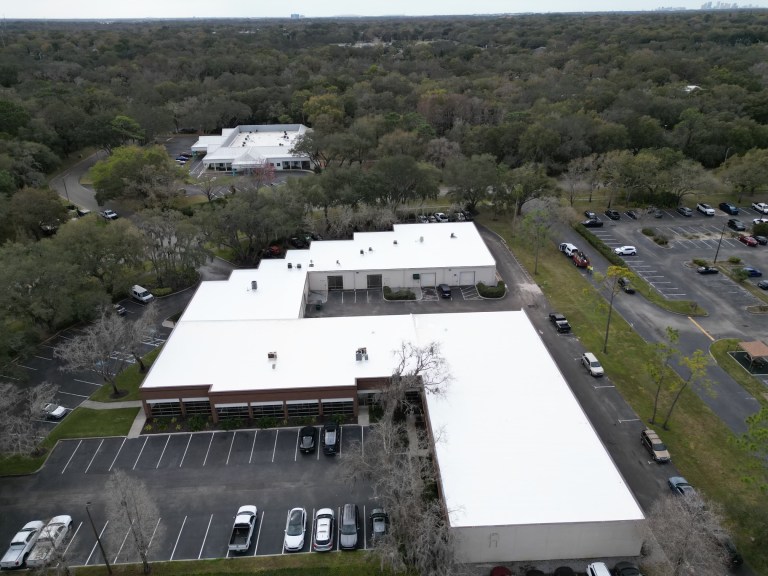
Roof reflectivity is a critical factor in managing energy consumption in a facility. Roofs that have high reflectivity are designed to bounce a significant portion of the sun’s rays back into the atmosphere. This process reduces the amount of heat that is absorbed by the building, directly impacting the energy transferred indoors and consequently lowering the demand for air conditioning. Particularly in sun-drenched locations like Florida, where high temperatures and intense sunlight are common, the benefits of reflective roofing can be substantial.
Reflective roofing materials such as white silicone and elastomeric coatings have been shown to reflect up to 90% of sunlight. This can lead to cooler roof surfaces and substantially reduce heat gain inside the building. By reducing the temperature differential between the roof surface and the interior, a reflective roof can lessen the burden on HVAC systems, resulting in reduced peak electricity demand and, potentially, lower utility bills.
Beyond financial savings, enhancing a roof’s reflectivity contributes to improved environmental conditions by minimizing the urban heat island effect. This effect, which causes urban areas to be significantly warmer than their rural surroundings, is exacerbated by dark, heat-absorbing materials commonly used in traditional roofing. By choosing highly reflective roofing materials, facility managers and building owners can play a role in mitigating this phenomenon, contributing to greater overall sustainability.
Insulation Interaction With Coatings
The synergy between insulation and roof coatings plays a significant role in shaping energy consumption within a facility. A roof system that integrates effective insulation with reflective coatings can dramatically influence building temperature regulation and energy efficiency. The choice of roof coatings can impact how well your insulation works to manage heat transfer and reduce energy demand.
Reflective roof coatings, such as silicone or elastomeric options, work to deflect the sun’s radiation. This minimizes heat absorption by your roof, keeping the building interior cooler and reducing reliance on air conditioning systems. This interaction is particularly vital in regions like Florida, where high temperatures and intense UV exposure can strain cooling systems. Insulation under a reflective roof further enhances this process by preventing the transfer of external heat into the facility, maintaining a stable interior environment.
Spray Polyurethane Foam (SPF) roofing systems exemplify the effective combination of insulation and coatings. SPF acts as both an insulator and a seamless barrier when combined with a reflective coating. This dual function not only minimizes heat ingress but also seals gaps, promoting a more energy-efficient envelope. Application consistency and thorough coverage with the coating are crucial for optimizing the performance of the insulation, ensuring it delivers maximum energy savings. Choosing a roofing solution that integrates advanced coatings with high-quality insulation can lead to long-term operational cost savings and an improved internal climate, especially in demanding climates.
Reducing Cooling Demand Through Design
In Florida’s challenging climate, you seek to manage energy costs while ensuring comfortable indoor environments. One effective strategy involves designing your roofing system to reduce the demand on cooling systems. By selecting materials and configurations that minimize heat absorption, you can make a significant impact on your building’s energy consumption.
Roofing materials play a key role in this effort. Lighter colored or reflective surfaces help reduce heat absorption by reflecting more solar radiation. Systems such as White Silicone Coating and White Elastomeric Coating offer high solar reflectance, which minimizes the heat transfer into a building. This reflective quality can decrease the interior temperature, allowing cooling systems to operate less frequently and efficiently.
The insulating properties of roofing materials significantly influence cooling demands as well. Spray Polyurethane Foam (SPF) systems, for example, not only provide reflective benefits but also add a layer of insulation, reducing temperature fluctuations within your building. This dual benefit can further drive down energy consumption by maintaining more stable internal temperatures.
Roof design also impacts cooling demand. For instance, roofs with engineered slopes can improve drainage and avoid water pooling, which can attract and retain heat. Taking into account these aspects when designing or selecting a roof system ensures that your building remains cooler, eases the workload on your cooling systems, and ultimately reduces energy use.
Can roofing impact HVAC efficiency?
Yes, roofing can significantly impact HVAC efficiency. The type of roofing system you choose affects the temperature inside your facility. For instance, a roofing system with high solar reflectance will reduce heat absorption, decreasing the building’s cooling demand. This reduction in heat penetration helps maintain a stable indoor environment, allowing your HVAC system to function more efficiently with less energy.
Which roofing systems offer the best energy performance?
Roofing systems that provide high solar reflectance and emissivity tend to offer the best energy performance. Options like White Silicone Coating and White Elastomeric Coating Systems are designed to reflect a large portion of solar radiation, reducing heat absorption significantly. Spray Polyurethane Foam (SPF) Systems also enhance energy efficiency by providing added insulation that minimizes energy loss. Each of these systems reduces cooling demands, which is particularly beneficial in hotter climates like Florida.
How can energy savings be measured?
Energy savings from roofing systems can be measured in several ways. One common approach is comparing historical energy bills pre and post-roof installation to assess reductions in electricity usage, specifically those related to air conditioning demands. Additionally, some facilities use energy monitoring equipment to track real-time energy usage, helping gauge the impact of reflective roofing. Calculating changes in peak energy demand can also provide insight into energy savings, as cooler roofs often result in lower peak loads. For precise assessment, consulting with an energy auditor may be beneficial.
Aligning Roofing With Energy Strategy
The roofing decisions you make are pivotal in managing energy consumption within your facility. By choosing systems that reflect solar radiation and offer strong insulation, you can effectively lower energy bills and enhance indoor comfort. Options like reflective coatings or Spray Polyurethane Foam (SPF) systems can reduce reliance on cooling systems—especially important in Florida’s heat-intensive environment. Additionally, well-planned roof configuration, including appropriate slopes for drainage, further contributes to energy efficiency. These choices not only deliver financial benefits but also support sustainability efforts by mitigating the urban heat island effect and reducing overall energy demand. As you evaluate roofing options for your facility, consider the layered impacts on energy consumption and sustainability.