Reducing Cooling Costs Through Reflective Roofing Systems
Are rising cooling costs taking a toll on your commercial property? In Florida, where intense sunlight and high temperatures dominate much of the year, building owners and facility managers often face the challenge of soaring energy expenses. Fortunately, advancements in reflective roofing systems offer a proactive way to tackle this issue while also extending the life of your roof.
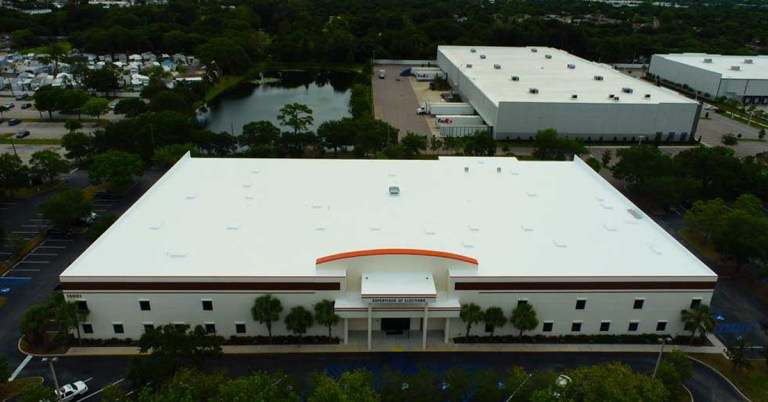
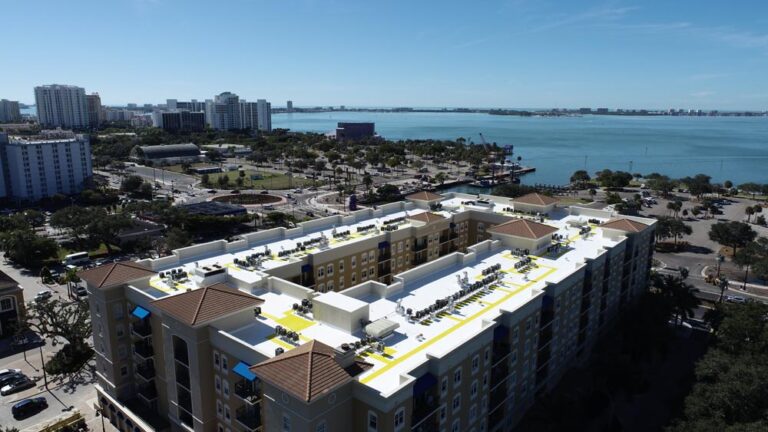
Reflective roofing systems, such as those using white silicone or elastomeric coatings, are designed to reflect a significant portion of the sun’s rays. By bouncing back sunlight, these systems reduce roof surface temperatures, which in turn lowers the need for air conditioning. The result? A reduction in cooling costs during the sweltering summer months. Reflective roofs can also help mitigate the urban heat island effect, which is common in densely populated areas.
While energy savings are an attractive benefit, the choice of roofing system should be tailored to the specific needs of each building. Heat, UV exposure, and heavy rainfall in Florida necessitate options that balance reflectivity with durability. Delve into our article to explore how reflective roofing systems could be the key to optimizing your building’s performance and reducing energy expenses.
Solar Reflectance Explained Simply
Solar reflectance, also known as albedo, is a critical factor in determining how much heat a roof absorbs from sunlight. Simply put, it measures a roofing material’s ability to reflect solar energy away from its surface. A higher solar reflectance percentage indicates that more sunlight is being reflected, rather than being absorbed and turned into heat.
Reflective roofing systems are designed with materials that have a higher solar reflectance. These surfaces typically appear white or light-colored to maximize their ability to reflect sunlight. For example, silicone and elastomeric coating systems are popular choices for reflective roofing because their bright white finish effectively bounces back a significant portion of the sun’s rays.
In hot climates, such as Florida, reflective roofing is especially beneficial. Intense sunlight can cause non-reflective roofs to heat up substantially, transferring that heat into the building and increasing the demand on air conditioning systems. By reflecting more sunlight, reflective roofs help to keep buildings cooler, thereby reducing energy consumption and cooling costs. This not only eases the load on HVAC systems but can also contribute to mitigating the urban heat island effect, improving overall air quality.
Choosing the right roofing materials involves considering not just the aesthetic appeal and durability but also the solar reflectance properties, particularly in regions with high UV exposure and heat.
Lowering Surface Temperature Impact
Lowering the surface temperature of your commercial roof plays a crucial role in managing cooling costs. High surface temperatures can lead to increased heat transfer into a building, causing air conditioning systems to work harder, which in turn increases energy costs. A practical solution to this problem is the implementation of reflective roofing systems. These systems utilize materials with high solar reflectance properties, such as white silicone or elastomeric coatings, which can significantly lower roof temperatures by reflecting a substantial portion of sunlight.
Reflective coatings are particularly effective in hot climates like Florida, where intense sun exposure and high temperatures are prevalent throughout the year. By decreasing the amount of heat absorbed, these coatings help to maintain cooler roof surfaces, thereby reducing the heat that penetrates the building. This not only minimizes peak electricity demand but also helps in extending the life span of the roofing material itself by limiting thermal expansion and contraction.
Moreover, the reduction of local air temperature as a result of decreased roof heat retention, commonly known as the heat island effect, contributes to improved urban air quality. In essence, investing in reflective roofing systems is an environmentally beneficial strategy that can lead to substantial savings on cooling costs while enhancing the overall sustainability of commercial properties.
Maintaining Reflective Performance Over Time
Maintaining the reflective performance of your roofing system is key to continuing its benefits in reducing cooling costs. Over time, several factors can impact the reflective nature of roofing materials, leading to diminished effectiveness. Dirt accumulation, biological growth such as algae or mold, and exposure to pollutants can all lead to decreased reflectance. Regular cleaning is of utmost importance. It’s advisable to schedule periodic maintenance to remove debris and build-up that can obscure or degrade the roof’s reflective surface.
Another consideration is the inspection for physical damage to the roofing material. Cracks, punctures, or areas of wear can affect how well the roof reflects sunlight. Addressing these areas promptly by repairing or recoating ensures optimal performance and prolongs the life of the roof. For Florida’s specific climate, where intense UV radiation and heavy rainfall prevail, maintaining reflective coatings becomes even more essential. The use of high-quality coatings, such as silicone or elastomeric systems, known for their durability and resistance to environmental factors, can provide longer-lasting reflectivity.
In addition to routine cleaning and repairs, consider implementing annual maintenance plans. These programs offer regular assessments to help identify potential weaknesses in the roof’s reflective capacity. By continually investing in the upkeep of your reflective roofing system, you reinforce its ability to reduce heat absorption and lower cooling costs over time.
Frequently Asked Questions
Do reflective roofs really lower energy bills?
Yes, reflective roofing systems can contribute to lower energy bills. Reflective coatings, such as those offered by Unicoat Roofing, are designed to reflect a significant portion of the sun’s energy. This helps to reduce the amount of heat absorbed by the roof, which in turn decreases the indoor temperature of your building. By lowering the demand on air conditioning systems, reflective roofs can lead to noticeable savings on energy costs, especially during Florida’s hot summer months.
How long does reflectivity last?
The longevity of reflectivity in roofing systems depends on the type of reflective coating used and the environmental conditions it faces. High-quality coatings, like those applied by Unicoat Roofing, are designed for durability and long-term performance. Regular maintenance and appropriate upkeep can prolong reflectivity, yet it’s essential to understand that over time, natural weathering will slightly reduce the reflective properties. Routine inspections and touch-ups as part of an annual maintenance plan can help sustain optimal performance.
Are reflective coatings suitable for all roof types?
Reflective coatings can be suitable for a variety of roof types, including both flat and sloped roofs. Systems such as White Silicone and White Elastomeric coatings are versatile and can be effectively applied to numerous roofing substrates like metal and aged single-ply membranes. However, suitability varies depending on specific roof conditions and existing materials. It is advisable to consult with a professional roofing contractor like Unicoat Roofing to assess your roof’s compatibility with reflective coatings and determine the best solution for your needs.
Turning Sunlight Into Savings
The potential of reflective roofing systems to mitigate rising cooling costs and support environmental sustainability makes them an appealing option for commercial properties in Florida. By favoring materials like white silicone and elastomeric coatings, you’re opting for enhanced solar reflectance that helps reduce roof surface temperatures. This, in turn, can lower the reliance on AC units and decrease energy bills, all while working towards mitigating the urban heat island effect. These roofing systems not only help manage energy costs but also promise durability under Florida’s challenging weather conditions. To fully leverage these benefits, maintaining the reflective quality and assessing the specific needs of your building is essential. Prioritizing reflective roofing can be a key step towards a more efficient and cost-effective building operation.