
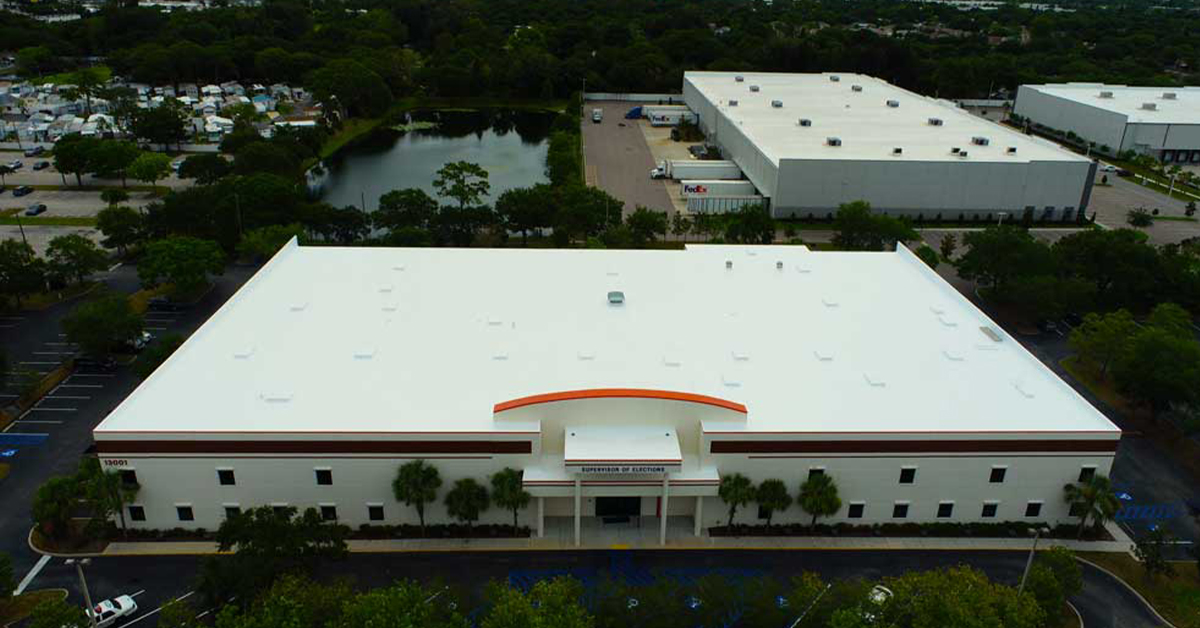
What Professional Roof Assessments Actually Look For
What lurks beneath the surface of your commercial roof? While it might seem intact from the ground, professional roof assessments reveal what the eye often misses—potential issues waiting to turn into costly repairs. As a building owner or facility manager, understanding what experts look for during these assessments can empower you to make informed decisions and protect your investment.
Roof assessments are crucial in Florida, where extreme weather conditions like heat, UV exposure, and heavy rainfall test the limits of your roof’s durability. Professional inspectors analyze a variety of factors, from surface integrity to underlying insulation, and even the unseen effects of ponding water. These evaluations are not superficial; they dig deep to assess the roof’s structural health and identify vulnerabilities.
Inspectors employ a range of advanced technologies—such as moisture detection tools and drone imaging—to deliver comprehensive insights. This proactive approach allows you to address minor issues before they escalate, minimizing downtime and preventing disruption to your business operations. Discover how professional assessments are key to navigating the challenges posed by Florida’s environment and ensure your roof’s longevity.
Surface Condition Analysis Methods
When conducting a professional roof assessment, a critical component is the analysis of the roof’s surface condition. This analysis provides valuable insights into the overall health and functionality of your roofing system. Surface condition analysis involves examining the roof’s exterior for signs of wear and deterioration.
Inspectors begin with a visual examination to identify any obvious damage, such as cracks, blistering, or punctures, which can compromise the roof’s integrity. They check for excessive granule loss on asphalt shingles or rust and corrosion on metal roofs, which can indicate advanced aging or inadequate maintenance. Inspectors also look out for discoloration or algae growth, which can suggest trapped moisture or suboptimal ventilation.
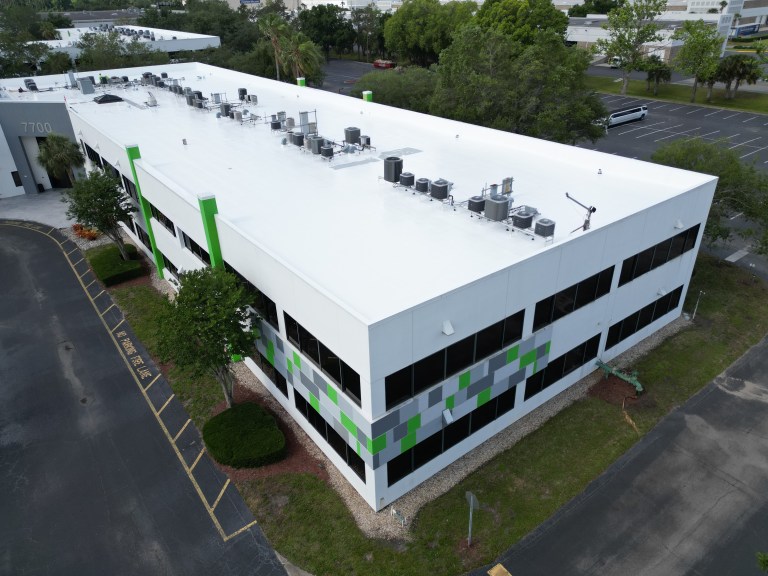
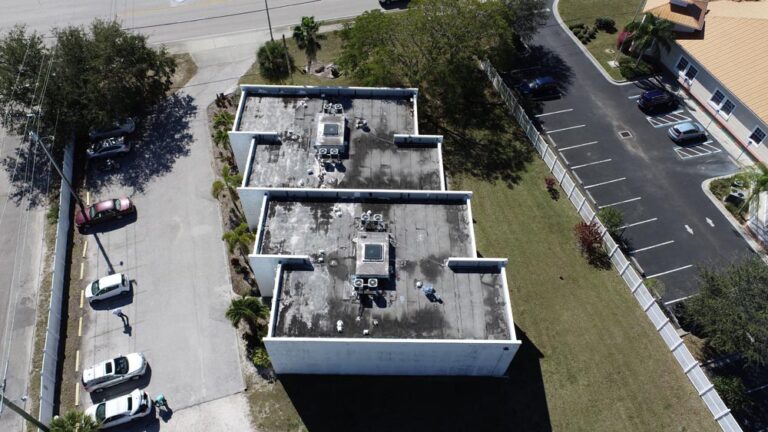
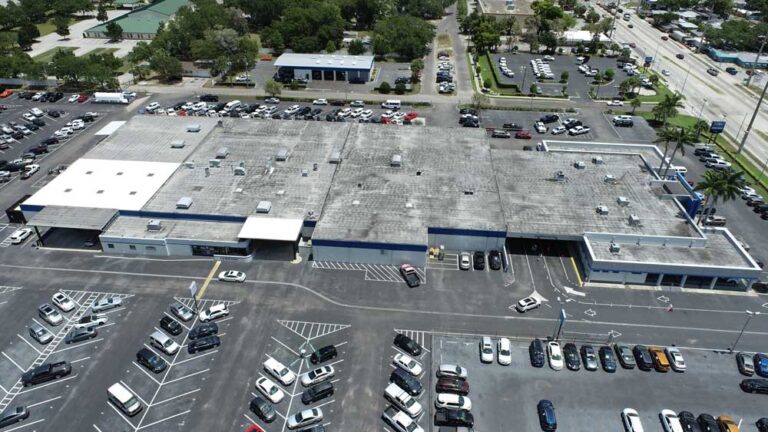
Beyond visual cues, professionals employ various tools and techniques to ensure a thorough assessment. Moisture detection tools, like infrared cameras, help detect areas where water might be penetrating the roof structure. This non-destructive method allows inspectors to pinpoint issues beneath the surface without causing additional damage. In some cases, drones equipped with high-resolution cameras are utilized to provide a comprehensive bird’s-eye view of the roof, revealing hard-to-reach areas and potential weak points.
Inspectors also focus on the condition of the roof’s flashings, which are critical for preventing water ingress at joints and edges. Any flashing damage, such as bending or gaps, can be a precursor to leaks, making it imperative to assess and address immediately.
Overall, surface condition analyses help inform maintenance strategies and repair efforts, ensuring the longevity and performance of your roof.
Moisture Detection and Core Sampling
In commercial roofing, understanding the condition of a roof is critical for determining the appropriate course of action. Moisture detection and core sampling are two essential methods used in professional roof assessments.
Moisture detection focuses on identifying areas where water has infiltrated the roof system. Over time, water infiltration can lead to significant structural damage and mold growth, presenting health risks and potentially compromising the building’s integrity. Professionals employ various non-invasive moisture detection techniques, such as infrared thermography and capacitance meters. Infrared thermography uses temperature variations to detect moisture pockets within the roof. Differences in heat signatures reveal areas of trapped moisture not visible to the naked eye. Capacitance meters, on the other hand, measure the moisture content within the roof layers. Both methods help locate problematic wet spots without disrupting the roof surface.
Core sampling involves extracting small sections of the roof to understand its composition and condition. This process typically includes removing a core sample of the roof’s layers, from the surface material down to the deck, allowing roofing professionals to assess the insulation, membrane and overall integrity. Core samples reveal hidden issues, such as trapped moisture and deterioration, not detectable by surface inspections alone. The information gained from core sampling provides valuable data on the roof’s structure and guides precise restoration or replacement decisions. Both moisture detection and core sampling help ensure that the roof continues to provide reliable protection, especially in demanding environments like those found in commercial and industrial facilities.
Evaluating Flashings and Penetrations
When conducting a professional roof assessment, evaluating flashings and penetrations is a critical task. Flashings are roofing components designed to direct water away from joints or areas where the roof surface is interrupted, such as chimneys, skylights, vents, and roof edges. Since these are among the most vulnerable spots for leaks and water intrusion, their inspection is essential for maintaining the roof’s integrity.
During the evaluation, an inspector will check flashings for signs of wear, damage, corrosion, and improper installation. They ensure that flashings are securely fastened and that there are no gaps or spaces that could allow moisture to seep beneath the roofing surface. Sealed correctly, flashings should form a continuous barrier that complements the water-shedding properties of the entire roofing system.
Penetrations, or any roof surface breach necessary for installing services such as plumbing, HVAC, or electrical equipment, need close attention as well. Inspectors assess the seals around penetrations to ensure they are watertight. They look for cracks, gaps, or shrinkage in the sealant that could compromise the seal’s effectiveness, especially crucial under Florida’s harsh weather conditions like heavy rainfall or hurricane winds.
Overall, the goal is to anticipate and rectify potential issues related to flashings and penetrations before they develop into more costly or severe problems, which can maintain both the functional and aesthetic value of the roofing system.
FAQ1: What tools are used during a professional roof inspection?
During a professional roof inspection, inspectors utilize a range of tools to thoroughly assess the condition of your commercial roof. Common tools include infrared cameras to detect temperature variations, moisture meters to identify damp areas, and drones for aerial views and hard-to-reach spots. Inspectors may also use core sampling tools to examine the roof’s underlying layers and handheld devices to measure roof slope and surface conditions.
FAQ2: How do inspectors detect hidden moisture problems?
Inspectors detect hidden moisture problems using infrared cameras and moisture meters. An infrared camera captures thermal images that highlight temperature differences, which can indicate moisture presence beneath the roofing surface. Moisture meters measure the moisture content of roofing materials, helping to pinpoint areas with elevated moisture levels that may not be visible to the naked eye. These tools enable inspectors to identify potential issues early, before they lead to more significant damage.
FAQ3: How long does a commercial roof assessment typically take?
The duration of a commercial roof assessment can vary depending on the size and complexity of the building. On average, a thorough inspection may take anywhere from a few hours to a full day. This timeframe includes not only the physical inspection but also the analysis of collected data, such as thermal images and moisture readings, to provide a comprehensive assessment report. In some cases, especially with larger facilities, multiple visits may be necessary to complete the evaluation.
Turning Inspection Insights Into Action
Professional roof assessments offer building owners and facility managers detailed insights into the condition of their commercial roofs. By examining surface integrity, detecting moisture, and evaluating crucial elements like flashings and penetrations, these assessments uncover potential vulnerabilities that can help you prevent costly repairs and enhance your roof’s longevity. Techniques such as advanced imaging and core sampling provide comprehensive data without causing disruption, making these evaluations particularly valuable in climates like Florida’s where roofs are constantly challenged by extreme weather conditions. Through these proactive inspections, you can effectively manage maintenance strategies, safeguard your investment, and ensure uninterrupted business operations.


One Comment
Comments are closed.