Does Your Roof Need Restoration in 2026?
When it comes to commercial roofing systems, one of the most important choices building owners must make is whether to repair an existing roof or invest in a full replacement. Both options can resolve roofing problems, but the right solution depends on several critical factors. In some cases, owners delay replacement to reduce costs, while in others, roofs are replaced unnecessarily when a quality restoration would have been sufficient.
A trusted commercial roofing contractor can offer professional guidance, but understanding the fundamentals of roof repair versus roof replacement can help you make a smarter, more cost-effective decision. Below are the key considerations that determine whether a commercial roof can be restored or needs to be replaced.

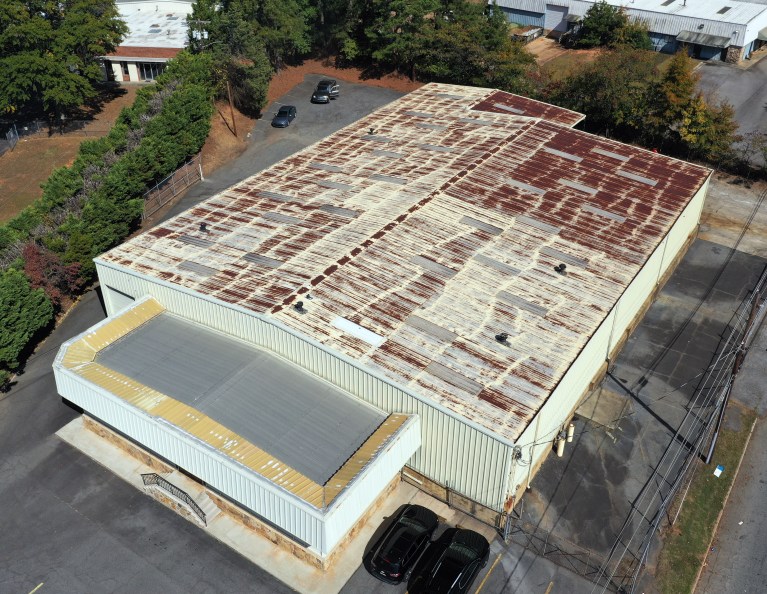
Roof Age: The age of a commercial roof is often the first factor to evaluate. Most commercial roofing systems are designed to last between 20 and 30 years, depending on the materials used. If a roof is approaching or exceeding its expected service life, repairs may only provide a short-term fix, making replacement—or in some cases, a roof coating system—a more practical long-term solution.
Severity and Scope of Damage: The extent of roof damage plays a major role in determining the best course of action. Localized issues, such as minor leaks or isolated membrane damage, can often be addressed with professional repairs and targeted restoration. However, widespread deterioration, recurring leaks, structural concerns, or extensive water intrusion usually signal that a roof replacement may be necessary to fully protect the building.
Roofing Material Type: Not all commercial roofing materials age or perform the same way. Metal roofing systems, for instance, are highly durable and often repairable if rust, punctures, or seam issues are caught early. In contrast, flat roofing systems like BUR or modified bitumen may become more difficult and costly to repair as they age. In many situations, roof coating systems offer a reliable and affordable alternative to replacement by extending the roof’s lifespan.
Repair Costs vs. Replacement Costs: Budget considerations are often the deciding factor. While repairs may be less expensive upfront, frequent or ongoing repairs can quickly add up and surpass the cost of a full roof replacement. If damage is limited to a small area, repairs may be the most economical option. However, if the roof requires constant maintenance, investing in a new system may provide better long-term value. (A professional roof assessment and cost-benefit analysis are essential—contact Unicoat for an expert evaluation.)
Energy Efficiency and Insulation Performance: An aging or damaged roof can negatively affect a building’s energy efficiency. Compromised insulation and air leaks can lead to higher heating and cooling costs. When energy performance has significantly declined, installing reflective roof coatings or cool roofing systems can yield substantial energy savings, particularly in warmer climates.
Regional Climate and Weather Exposure: Local weather conditions also influence whether restoration or replacement is the better option. Commercial roofs in areas exposed to heavy rainfall, snow loads, high winds, or extreme heat often deteriorate more quickly. Repeated exposure to harsh weather can shorten a roof’s lifespan, increasing the likelihood of replacement if signs of wear are already present.
Restoration or Replacement?
Commercial property owners and facility managers should carefully assess these factors with the help of an experienced roofing professional to make the most informed and cost-effective decision. In many cases, restoration is a far superior solution to full roof replacement – both in terms of cost, inconvenience, and time.
Before making any major roofing decisions in 2026, contact Unicoat Industrial Roofing. Our team provides expert insight, honest evaluations, and long-term solutions tailored to your business needs. With over 4 million gallons of roof coatings installed, our reputation speaks for itself.