Let’s Review: Commercial Roof Replacement – or Repair?
If you are a property manager, maintaining the integrity of your commercial building’s roof is a vital part of your job. It protects your property, people and all the assets in the building from the elements. However, when problems arise, you may wonder if roof replacement is the best course of action or if a repair will be sufficient. Your options will require you to weigh the overall cost, potential longevity, and the roof’s current condition.
This article will explore those aspects of roof maintenance that impact whether a repair or a full replacement is the most appropriate option.

Commercial Roof Maintenance Concerns
Commercial roofing maintenance is an essential part of comprehensive building management. Maintenance involves routine inspections, prompt repairs, and preventive measures to maximize the roof’s lifespan.
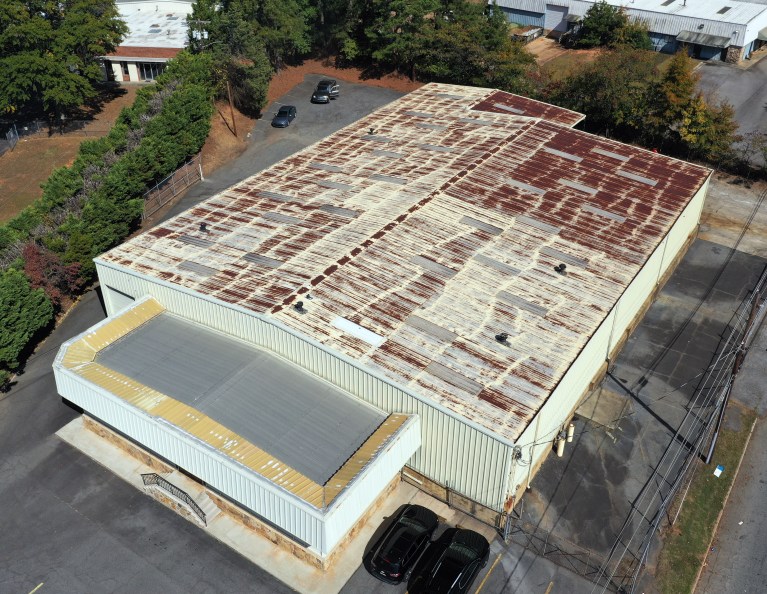
Regular maintenance is vital to preserving your roof’s condition. It helps discover potential issues before they escalate into significant problems, which can save the property from expensive repairs or replacements. Signs of damage can include visible leaks and water stains, damaged flashing, or cracked and weathered seals.
How Long is the Lifespan of Your Commercial Roof?
The lifespan of a commercial roof depends on the material used. Metal roofs offer significant durability, lasting up to 50 years. Asphalt shingle roofing, however, is more common in commercial buildings yet lasts only about 20 years in optimal conditions.
Understanding the expected lifespan of your roof can help you plan and budget for future maintenance, repairs, or roof replacement. Read More about how roof coatings can significantly extend the life of your roof.
Assessing Roof Replacement vs. Repair
When your commercial roof is damaged, you’ll need to determine whether replacement or repair is more appropriate. This decision can greatly influence both maintenance costs and the ultimate longevity of your roof.
A repair may be sufficient for minor damage. However, extensive damage might necessitate a complete replacement.
When a contractor evaluates your roofing system to determine the best course of action, they will assess these factors:
- Age of the roof
- The extent of the damage
- The cost of needed repairs vs. total replacement
- Future maintenance requirements and costs
The cost associated with each option is a significant factor when deciding between roof repair and roof replacement. If your roof is close to the end of its expected lifespan, frequent repairs could end up costing more than a replacement. However, repair might be the best choice if the damage is limited and/or your roof is relatively young. Remember, the advice of a professional roofing contractor is essential in making these decisions.
Roof Coatings in Place of Roof Replacement
If it is determined that the majority of the roof is structurally sound—regardless of age—roof coatings may be the best available option. After performing any needed repairs to the roof surface, the coating can be applied to create a protective, reflective barrier on the roof. Coatings can seal gaps and guarantee that UV rays, rain, hail, and other forms of severe weather will not penetrate the roofing system.
Roof coatings can extend the viability of the structure for decades, even a roof that is considered near the end of its chronological life. If it is determined that the roof is basically intact, roof coatings are applied after basic repairs are completed and are significantly less expensive than a new roof via replacement.
Unicoat Industrial Roofing has applied over 4 million gallons of roof coatings to commercial properties across the United States.