How Coatings Boost Efficiency of Southeastern Roofs
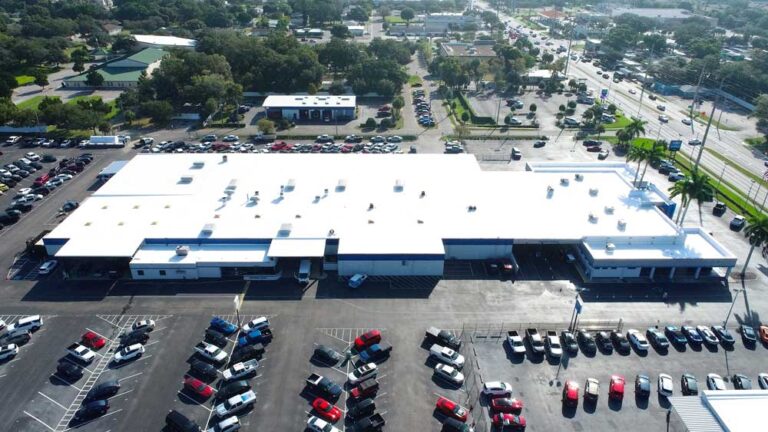
In states like Florida, Georgia, Alabama, and the Carolinas, commercial buildings are exposed to some of the harshest year-round environmental conditions in the country. High heat, humidity, intense UV radiation, and seasonal hurricanes all take a toll on commercial Southeastern roofs. One of the most cost-effective ways to improve durability and boost energy efficiency is through the application of high-performance commercial roof coatings.
But not all coatings are created equal—and the local climate plays a major role in how well a roof coating will perform over time. Here’s how the Southeastern climate specifically affects energy efficiency, and what building owners and facility managers should look for when choosing a coating system.
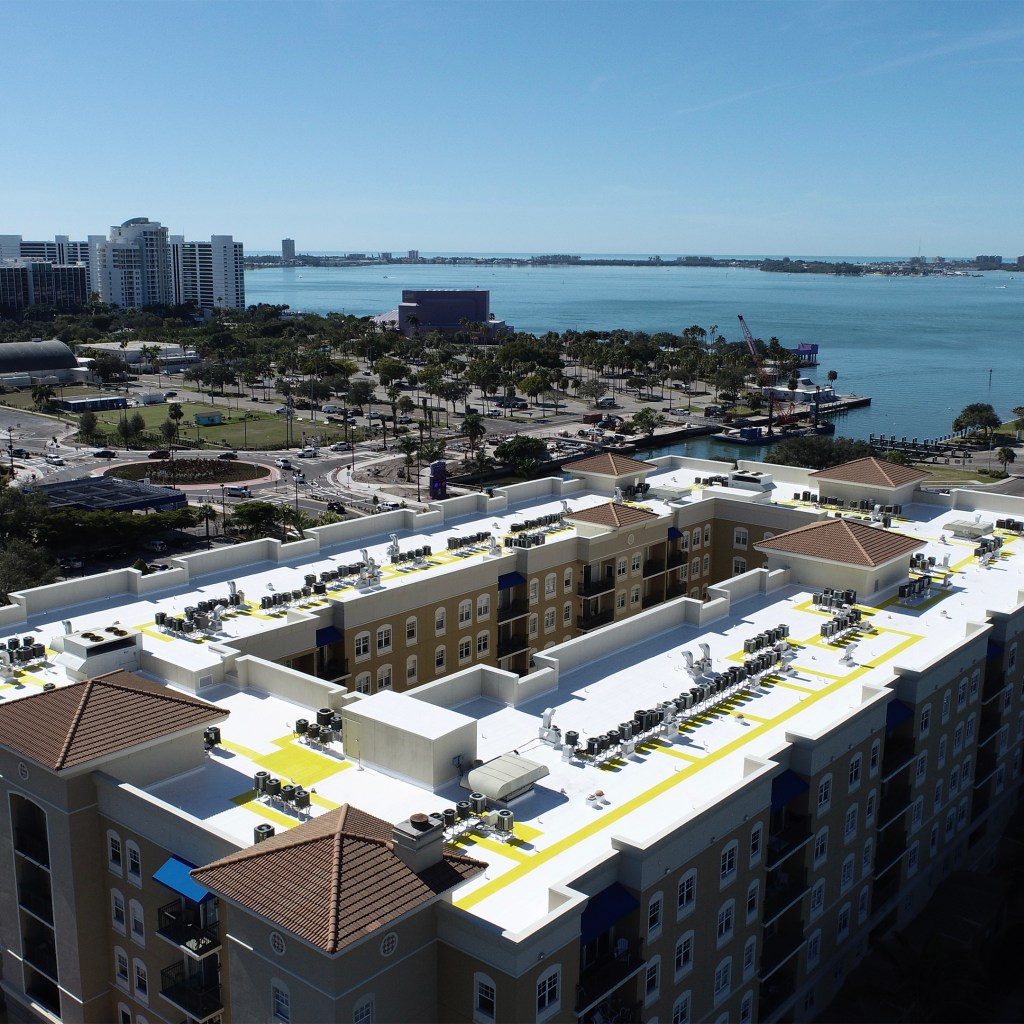
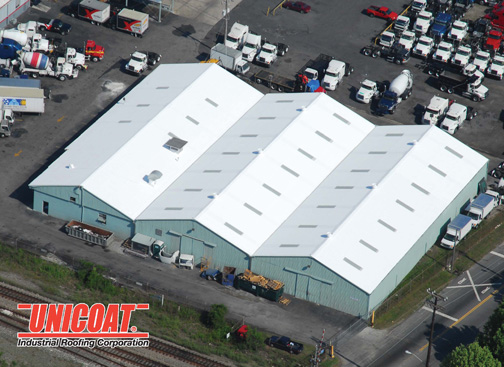
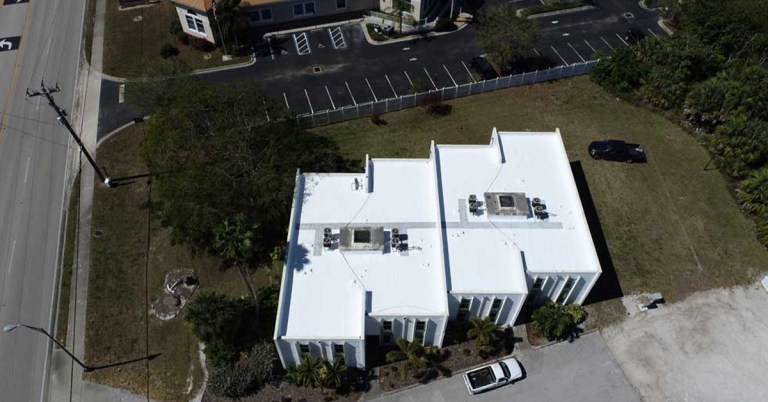
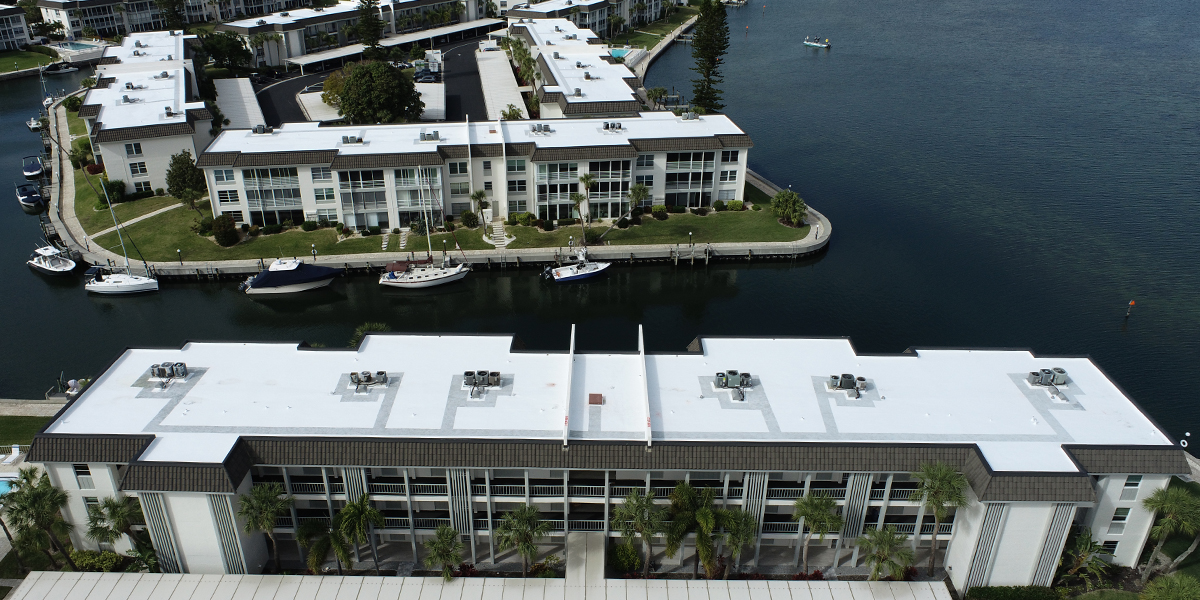
- High Heat and UV Exposure = Greater Cooling Loads: In Florida and surrounding Southeastern states, summer temperatures frequently exceed 90°F, and commercial rooftops can reach 150°F or more without protection. A dark or uncoated roof absorbs a significant portion of that solar energy, which radiates into the building and forces HVAC systems to work harder—especially on large commercial spaces with expansive flat roofs. Cool roof coatings—typically white or light-colored reflective coatings—can dramatically reduce surface temperatures by reflecting UV and infrared light. According to the U.S. Department of Energy, reflective roof coatings can cut cooling energy use by up to 30% in warm climates.
Key consideration: For maximum energy savings, choose a coating with a high Solar Reflectance Index (SRI) and proven long-term reflectivity retention in UV-intensive regions. - Humidity and Frequent Rain Demand Moisture Resistance: Rain, high humidity, and condensation are constant concerns in the Southeast. Moisture not only degrades roofing materials over time but also reduces insulation performance, leading to energy loss. Certain roof coatings—particularly silicone and advanced acrylic formulations—are engineered to withstand ponding water, resist mold and mildew, and maintain their thermal performance in humid conditions. This is especially important for commercial buildings with low-slope or flat roofs, where drainage can be a problem. Pro tip: Look for coatings with moisture-curing properties, which allow application even in high-humidity environments.
- Thermal Expansion Can Lead to Energy Inefficiency: Temperature swings between hot days and cooler nights cause commercial roofing materials to expand and contract—putting stress on seams, flashing, and penetrations. High-quality elastomeric roof coatings are designed to stretch and flex with the building, sealing minor gaps and preventing air infiltration. This helps maintain a consistent internal environment and reduces unnecessary heating or cooling loss. What to look for: A roof coating with high elongation (at least 200%) and tensile strength is essential for thermal cycling in the Southeast.
- Storm Resilience Matters: From tropical storms to Category 4 hurricanes, the Southeast sees regular extreme weather events. Commercial roofs must not only conserve energy but also stand up to high winds, driving rain, and flying debris. A roof coating that enhances the structural integrity of the existing membrane can help avoid costly damage and downtime. Silicone coatings are especially suited for storm-prone areas due to their UV resistance, waterproofing ability, and bond strength—even under harsh conditions. Bonus benefit: Many cool roof coatings also qualify commercial buildings for ENERGY STAR® certification or utility rebates, further offsetting installation costs.
In the hot, humid, and storm-prone climate of the Southeastern U.S., commercial roof coatings are a strategic investment in energy efficiency and long-term cost savings.
To get the most from your coating system, make sure it offers:
- High reflectivity for solar control
- Moisture and mold resistance
- Flexibility for thermal expansion
- Storm durability and strong adhesion
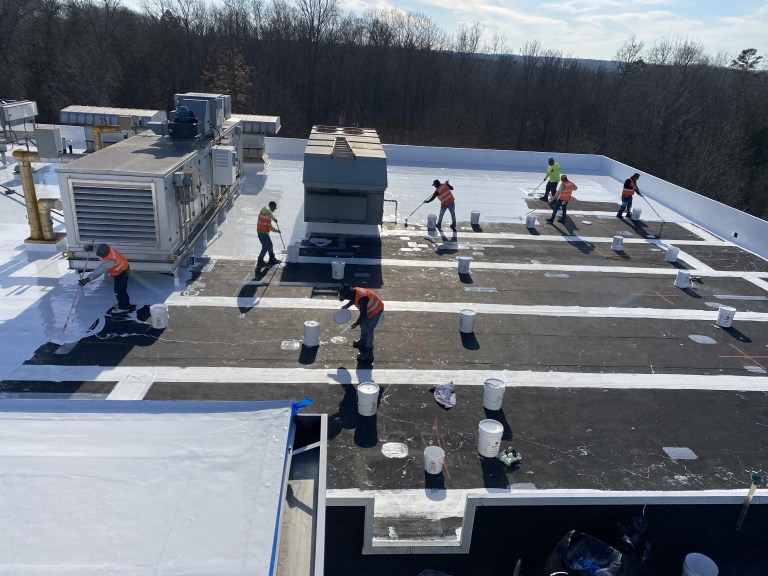
When properly selected and applied, a commercial roof coating can extend the life of your roof, reduce cooling costs, and protect your building—rain or shine.
If you live in the Southeast and would like to learn more about how commercial roof coatings can protect your building and extend the life of your roof – call Unicoat Industrial Roofing today. But even if you don’t gve a Southeastern roof, give us a call. No matter the region, no matter the climate – Unicoat has you covered.