

The Science Behind Ice Dams (and How to Prevent Them)
Ice dams are a winter issue that no commercial property owner wants to deal with. While most often associated with residential roofs, ice dams can pose even greater risks for commercial buildings due to their large surface areas and extensive mechanical equipment. Understanding the science behind how ice dams form is the first—and most important—step in preventing costly damage to your roof, insulation, interior spaces, and business operations.
What Exactly Is an Ice Dam?
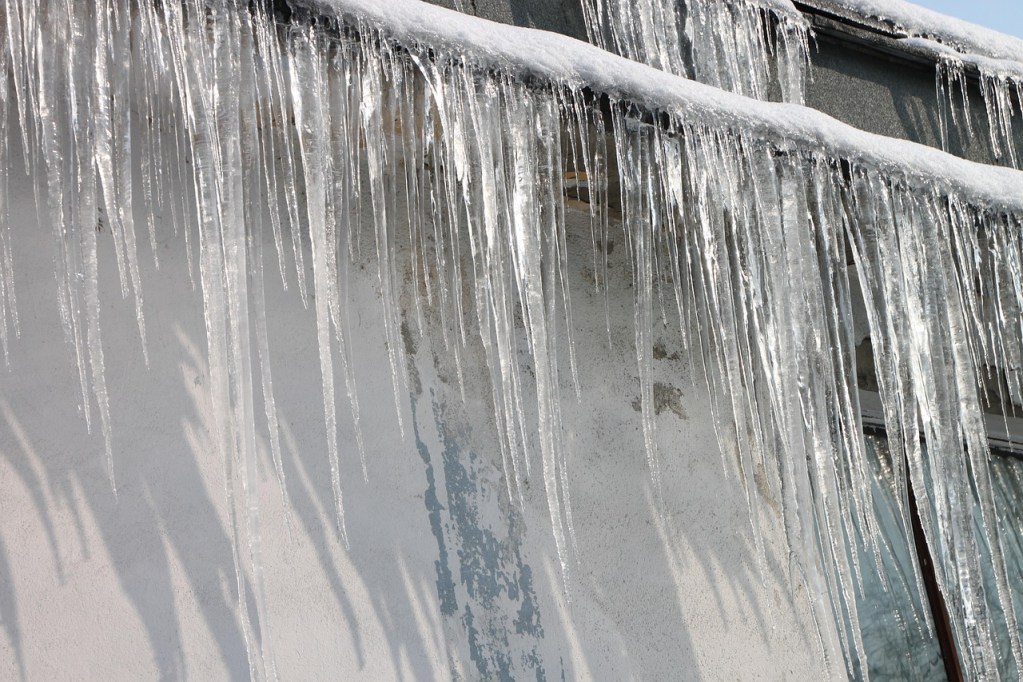
An ice dam is a thick ridge of ice that forms at the edge of a roof or around drainage points, preventing melting snow from properly flowing off. When water gets trapped behind the ice, it begins to pool. Eventually, that water can seep beneath roofing membranes, into insulation, and through ceilings, causing leaks, mold, and even structural damage.
For commercial roofs—especially low-slope or flat systems—the risk is amplified because water already drains more slowly compared to pitched roofs.
The Science Behind How Ice Dams Form
Ice dams form due to an interaction between temperature differences, roof design, and melting/freezing cycles.
Heat Loss Creates Warm Zones on the Roof: Commercial buildings generate significant interior heat, especially those that house industrial equipment, kitchens, data centers, or large HVAC systems. If insulation isn’t adequate, heat escapes upward and warms portions of the roof surface. This causes snow in warmer areas to melt—even when outdoor temperatures are below freezing.
Melted Snow Flows to Colder Edges: Once snow melts into water, it naturally flows downward toward gutters, drains, scuppers, or the edges of the roof. However, these areas are typically colder because they’re farther from the heated interior and more exposed to outdoor air.
Water Refreezes into Ice: When that meltwater reaches the colder edge, it refreezes. Over time, this cycle continues, layer by layer, forming a significant ice buildup—an ice dam. On commercial flat roofs, this often occurs around roof drains, scuppers, perimeters, and parapet walls and low-lying areas where water tends to collect.
Trapped Water Has Nowhere to Go: As the dam grows, newly melted snow gets trapped behind it. With drainage blocked, water begins to pool and seep into the roofing system. Since commercial roofs often include multiple layers of insulation and membrane systems, water intrusion can be extensive, hidden, and expensive to repair.
Why Ice Dams Are Especially Problematic on Commercial Buildings
- Large roof areas mean more snow load and more meltwater.
- Flat and low-slope roofs drain slowly, increasing the risk of pooling.
- Multiple penetrations—such as HVAC units, vents, and skylights—create more opportunities for water infiltration.
- Higher occupancy and equipment density mean leaks can disrupt business operations.
Even a small ice dam can cause thousands of dollars in damage if it compromises roofing membranes or forces water into sensitive interior areas.
How to Prevent Ice Dams on Commercial Roofs
The good news is that most ice dam problems are preventable with proactive maintenance and proper building design.
- Improve Roof Insulation: Adequate insulation reduces heat loss, keeping the roof surface temperature more consistent. This minimizes melting/freezing cycles that contribute to ice dams.
- Ensure Proper Ventilation: Good airflow helps maintain even temperatures across the roof system. For commercial buildings, this may involve mechanical ventilation, adequate attic airflow, and properly designed exhaust systems/
- Maintain Roof Drains and Scuppers: Frozen or clogged drains are one of the most common causes of commercial ice dams. Before winter hits, remove debris, check drain strainers, ensure downspouts are clear, and inspect scupper openings.
- Improve Roof Slope and Drainage: Even minor improvements—like tapered insulation systems—can prevent water from ponding and refreezing.
- Use Ice-Melting Systems: Heat cables or heated drain lines can be installed in problem areas to prevent water from freezing during freezing temperatures.
- Schedule Regular Winter Roof Maintenance: Professional roof inspections during cold months help identify early ice buildup, blocked drains, membrane damage, and areas needing snow removal.
Protect Your Building Before Ice Dams Form
Ice dams may be a natural winter phenomenon, but the damage they cause doesn’t have to be. By understanding the science behind ice dam formation and implementing preventive strategies, commercial property owners can protect their roofs and extend the lifespan of their roofing system.
If you need roof maintenance before winter, call Unicoat Industrial Roofing today.




One Comment
Comments are closed.