Step by Step Commercial Roof Inspection Guide
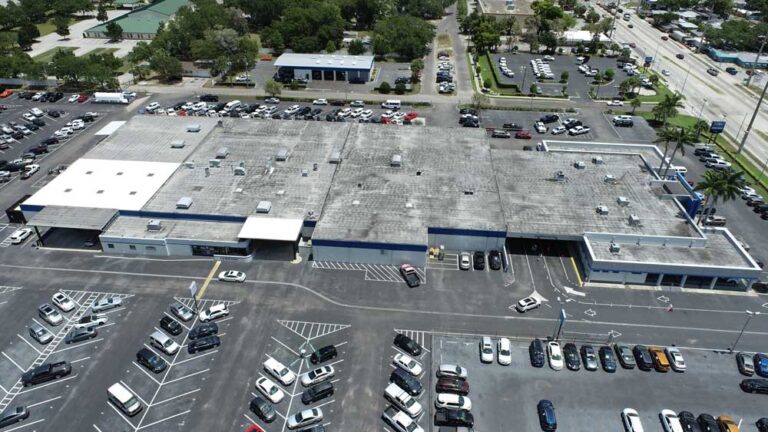
A commercial roof is a significant investment and a critical component of a building’s structure. Ensuring its longevity and functionality requires regular inspections to identify potential issues early on, preventing costly repairs or replacements down the line. A comprehensive roof inspection involves a detailed evaluation of the roof’s condition, its various components, and any potential vulnerabilities.
At Unicoat Industrial Roofing, we believe in educating property managers on how to best preserve and protect their commercial roofs. This step-by-step guide will help you if you plan on conducting a thorough commercial roof inspection on your own.

Commercial roofs are large, elevated structures that can pose many hazards. If you are conducting your own roof inspection, ensure that you are using proper safety equipment – such as a harness, hard hat, gloves, and non-slip footwear. However, if you are not trained in roof safety or do not have the proper equipment, it’s best to hire a professional roofer.
The steps below reflect the basic process involved in a comprehensive roof inspection.
- Examination of Roof Access Points: The inspection begins by determining that the roof access points are safe and clear. The inspector will check ladders, stairways, and hatchways to ensure they are in good condition and free from obstructions. If the roof has a ladder or a mechanical lift for access, the inspector will check for stability and safety. In addition, entry points should meet local building codes and be clear of debris or damage that could make access dangerous.
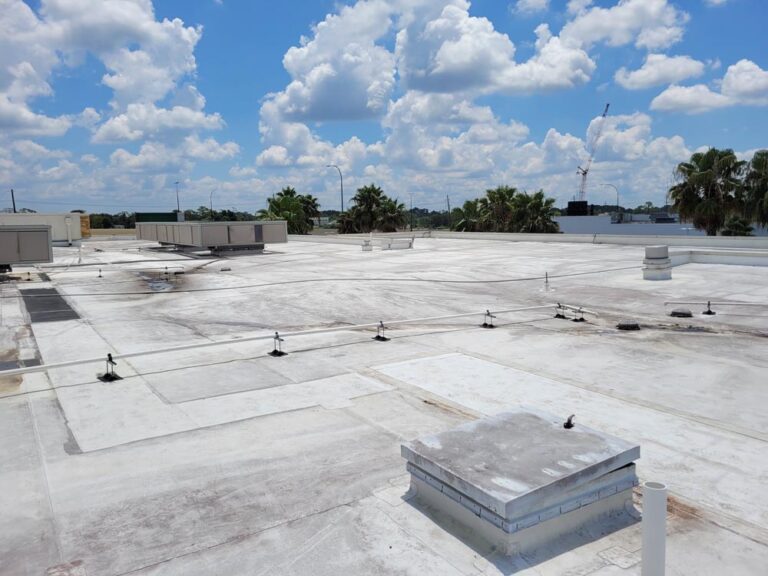
- Evaluation of the Roof Membrane or Surface: The roof membrane is the outermost layer of the roof, responsible for keeping out water and protecting the structure beneath. The roof surface should be inspected for wear, damage, or deterioration. The inspector will look for UV damage, blisters or bubbles, tears or punctures, and any split or damaged seams. The inspector should document the findings and note any areas needing further attention, such as resealing or repairs.
- Inspection of Flashings and Penetrations: Flashings are materials used to seal joints, seams, and around roof penetrations, like chimneys, vents, or HVAC systems. These areas are prone to leaks if not properly sealed or maintained. The inspector will check all flashings for corrosion, rust, separation or gaps, and loose or damaged materials. The inspector will ensure that roof penetrations are sealed correctly. Gaps, cracks, or loose seals around vent pipes, HVAC units, skylights, or chimneys can lead to water infiltration.
- Roof Drainage System Check: Effective drainage is critical to maintaining the roof’s integrity. Clogged or damaged drainage systems can lead to standing water, which can cause roof leaks, material degradation, and structural damage. A professional roof inspector will evaluate the condition of gutters, downspouts, drains and scuppers and check for ponding water.
- Assessment of Roof Insulation: Roof insulation plays a key role in regulating temperature and reducing energy costs, but it also contributes to the roof’s overall integrity. The insulation will be checked for wet spots, compression or unevenness, and rodent or insect damage. Any areas of concern may need repairs to prevent additional damage to the roof structure.
- Roof Structure Check: The inspector will assess all structural components of the roof, including beams, trusses, and decking. They will look for signs of sagging, water damage, or physical damage that could compromise the roof’s integrity. Common issues include cracks or warping in structural beams or decking, water stains or mildew, or signs of pest infestation.
- Evaluation of the Roof Perimeter: The inspector will conduct a walk around the perimeter of the roof and check for any signs of damage or deterioration. They will look for loose debris, overgrown vegetation, dead leaves or moss, and damaged parapet walls or parapet caps.
- Leak Check: The ceilings and walls will be checked for any signs of water damage, including stains, mold, or mildew. Leaks often manifest as brown water stains, particularly near roof penetrations, seams, or vents. Areas near windows, skylights, or other openings – which are common leak points – should merit special attention.
- Documentation and Report Findings: After completing the inspection, all findings will be documented in detail, including photographs of damaged areas. Reports should outline potential issues, their severity, and recommended repairs. This report will be useful for future reference, as well as for discussing repair or maintenance plans with your roofing contractor.
A comprehensive commercial roof inspection is a critical step in maintaining the integrity of your building. Regular inspections can extend the life of your roof, improve building performance, and safeguard your investment. If you are not confident in your ability to conduct your own inspection, call the experts at Unicoat Industrial Roofing.