7 Post-Winter Roof Concerns
Winter weather can be particularly challenging for roofs, with snow, ice, and fluctuating temperatures contributing to wear and tear. After a harsh winter, commercial roofs often face a range of issues that require prompt attention. Post-winter roof inspections and maintenance are essential to ensure that your commercial roof remains in good condition and continues to protect your building effectively.

Post-Winter Commercial Roof Damage
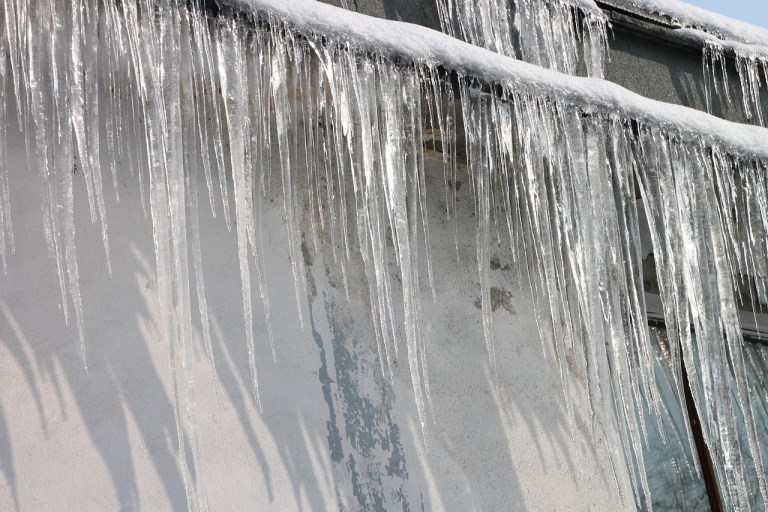
- Ice Dams and Water Damage: Ice dams are one of the most common winter-related roof problems. When snow accumulates on the roof, it can melt due to heat escaping from the building. The water runs down the roof and refreezes at the eaves, creating a dam that prevents further water from draining off the roof. This trapped water can back up under the shingles, causing leaks and water damage to the interior of the building.To address ice dams, it’s you’ll need to ensure that the roof has proper insulation and ventilation to prevent excessive heat from escaping and causing snow to melt unevenly. After winter, inspect the roof for signs of water damage, such as discoloration or damp spots on the ceiling. If ice dams have formed, professional roofers can remove them safely, and any damaged areas of the roof should be repaired or replaced.
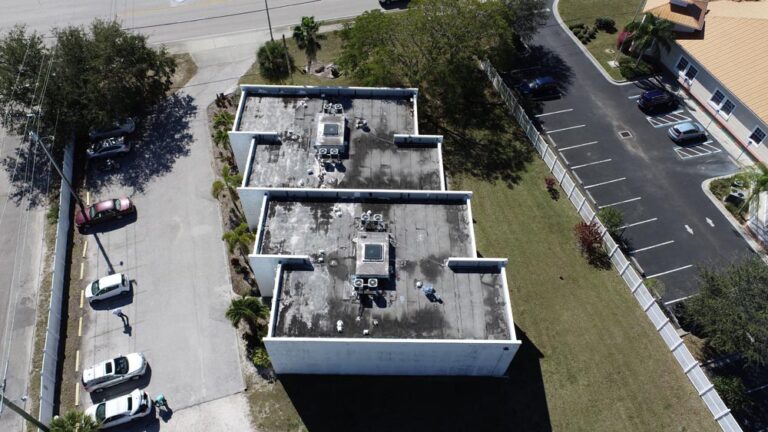
- Ponding Water: Ponding water occurs when water collects in low areas of the roof, typically on flat roofs. This often happens after heavy snowmelt or rain, particularly if drainage systems such as gutters and downspouts are blocked with debris or ice. Ponding water can lead to leaks, roof membrane damage, and even structural issues if left unaddressed post-winter.Inspect the roof for standing water, especially after a rainfall or snowmelt. Clear any debris from drains, gutters, and downspouts to ensure proper water flow. If ponding persists, it could indicate underlying issues with the roof’s slope or drainage system. In this case, you may need to consult a roofing contractor to evaluate the roof’s drainage and make necessary adjustments or repairs.
- Damaged Roofing Materials: Snow, ice, and high winds can cause significant damage to roofing materials. Cracks, holes, or missing sections may occur during winter storms or due to the weight of accumulated snow and ice. These issues can lead to leaks and further deterioration if not addressed quickly.After winter, conduct a thorough inspection of the roof to check for missing or damaged roofing materials. Look for cracks, dents, or punctures in the roofing system. If any damage is found, it’s important to repair or replace the damaged materials as soon as possible to prevent water intrusion. This is best done by a professional roofing contractor who can assess the extent of the damage and ensure proper repairs.
- Cracked Flashing and Seals: Flashing is a vital element of any roofing system, as it helps direct water away from vulnerable areas like chimneys, vents, skylights, and roof joints. Winter conditions, particularly freezing temperatures and ice, can cause flashing to crack or loosen, leading to leaks. The seals around vents or other penetrations can also become brittle and crack over time.Inspect the flashing around chimneys, skylights, and roof joints for any signs of cracking or detachment. Check the seals around vents and pipes to ensure they’re intact. If damaged flashing or seals are found, they should be repaired or replaced immediately to prevent water infiltration. A professional roofing contractor will have the tools and expertise to reseal and repair flashing effectively.
- Moss and Algae Growth: During the winter, moisture and snow can create the ideal environment for moss and algae to grow on your roof, especially on shaded or north-facing areas. Once spring arrives and temperatures rise, this growth can spread, leading to premature wear on the roofing materials and further damage.If moss or algae growth is noticed on the roof, it should be removed promptly to avoid long-term damage. Power washing can be effective for cleaning, but it must be done carefully to avoid damaging the roofing materials. Roof cleaners or copper strips can also be used to prevent future growth. Regular roof maintenance, including cleaning gutters and ensuring proper drainage, can help minimize moss and algae buildup.
- Structural Damage: Winter weather, particularly ice and heavy snow, can exert stress on the structural components of the roof. This can lead to sagging, cracks in the roof decking, or even a potential collapse in extreme cases. Commercial roofs with older or weak structural components are more susceptible to this kind of damage.If you suspect structural damage to the roof, it’s essential to call a professional roofing contractor immediately. They can conduct a thorough inspection to assess the integrity of the roof’s structure and determine if any repairs or reinforcements are needed. Early detection of structural issues can prevent costly repairs and keep the roof safe for occupancy.
- Gutter and Downspout Blockages: Winter storms often leave gutters and downspouts clogged with debris, ice, and snow. When gutters become obstructed, water cannot flow properly and may back up, causing damage to the roof, walls, or foundation. In some cases, ice can form in the gutters, further exacerbating the blockage.Once winter is over, ensure that gutters and downspouts are cleared of debris and ice. Clean out leaves, twigs, and dirt, and make sure water can flow freely through the drainage system. If there are signs of gutter damage, such as cracks or detachment, repair or replace them before the next rainfall. Consider installing gutter guards or heating cables to prevent future blockages during the colder months.
The winter months can take a heavy toll on commercial roofs, but with Unicoat Industrial Roofing on your team, you can rest assured that your roof will be professionally repaired and prepared for the warmer months. Call today for a post-winter inspection