Is a Flat Concrete Roof Right for Your Business?
Commercial buildings come in many shapes and forms – and also many roof types. Flat concrete roofs are a popular choice for many commercial property owners, as they provide several meaningful advantages. This article will discuss some of the most compelling reasons to consider installing a flat concrete roof – and a couple of reasons that it might not be for you.
- Durability and Longevity: Concrete is known for its strength and resilience. A well-constructed flat concrete roof can last for several decades with proper maintenance, often surpassing the lifespan of other roofing materials. This durability translates to reduced long-term costs associated with repairs and replacements.
- Cost-Effectiveness: While the initial installation cost of a concrete roof may be higher compared to other roofing options, its longevity and minimal maintenance requirements can lead to significant savings over time. Flat concrete roofs require fewer repairs and can withstand harsh weather conditions, making them a cost-effective choice in the long run.
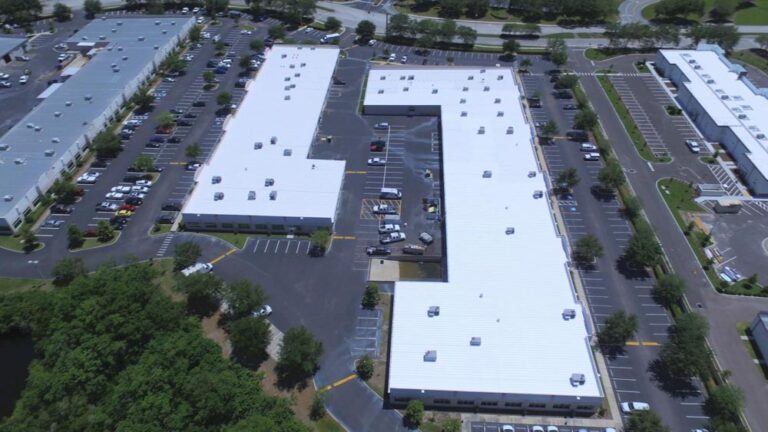
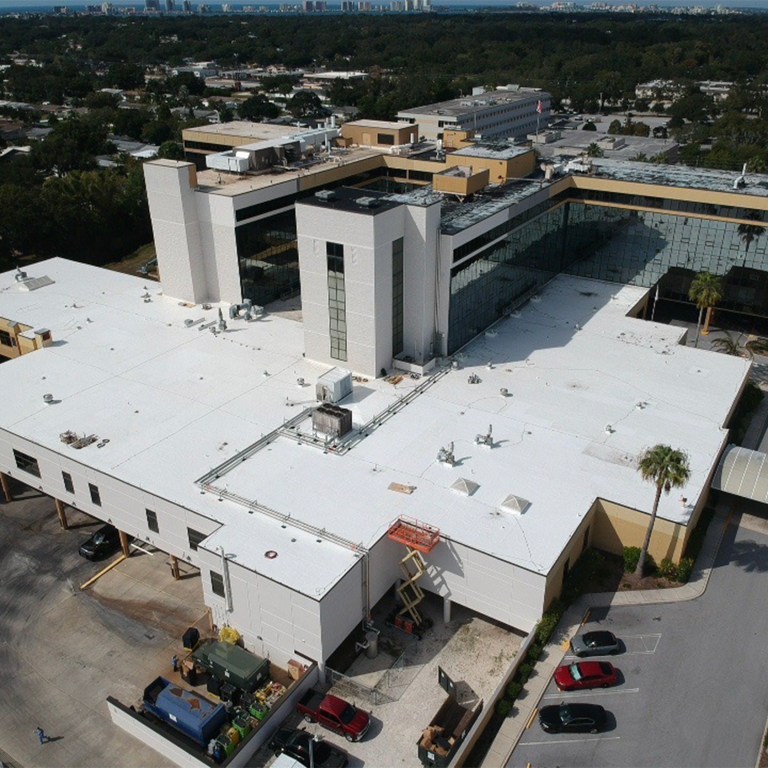
- Energy Efficiency: Concrete roofing can contribute to energy efficiency in several ways. The thermal mass of concrete helps regulate indoor temperatures by absorbing heat during the day and releasing it at night. This can reduce the reliance on heating and cooling systems, leading to lower energy bills. Additionally, reflective coatings can be applied to enhance energy efficiency further.
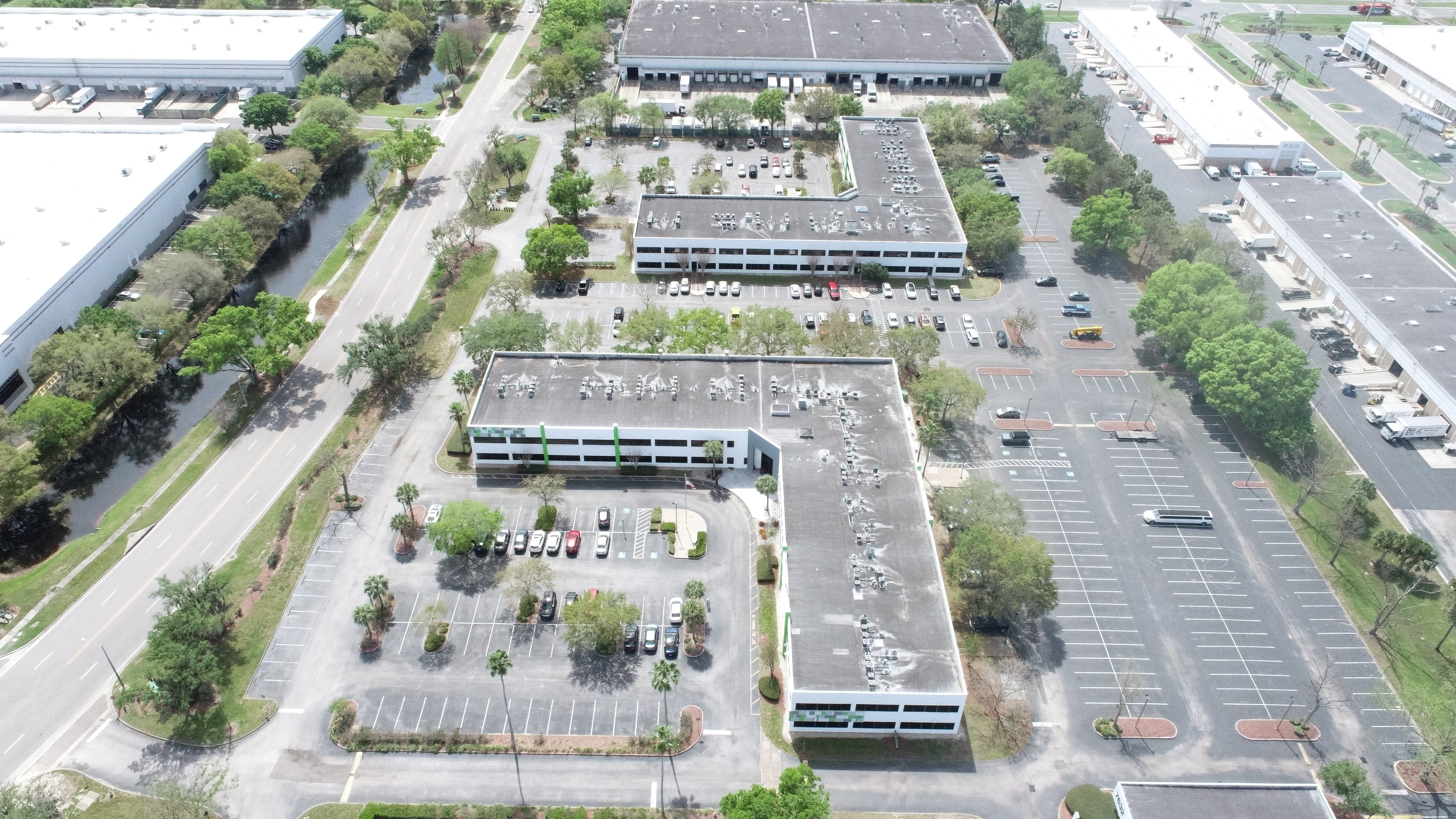
- Versatility: Flat roofs provide additional usable space, which can be a significant advantage for commercial buildings. The roof can be utilized for HVAC units, solar panels, green roofs, or recreational areas. This versatility maximizes the building’s functionality and can enhance its overall value and attractiveness to tenants.
- Accessibility and Maintenance: Flat roofs are easier to access than sloped roofs, making maintenance simpler and safer. Routine inspections, repairs, and cleaning can be conducted with relative ease, which is essential for the longevity of the roof.
Potential Disadvantages of Flat Concrete Roofs
While there are numerous benefits to these types of roofs, they are not for everyone. Here are some attributes that you might find detrimental when deciding for or against a flat concrete roof.
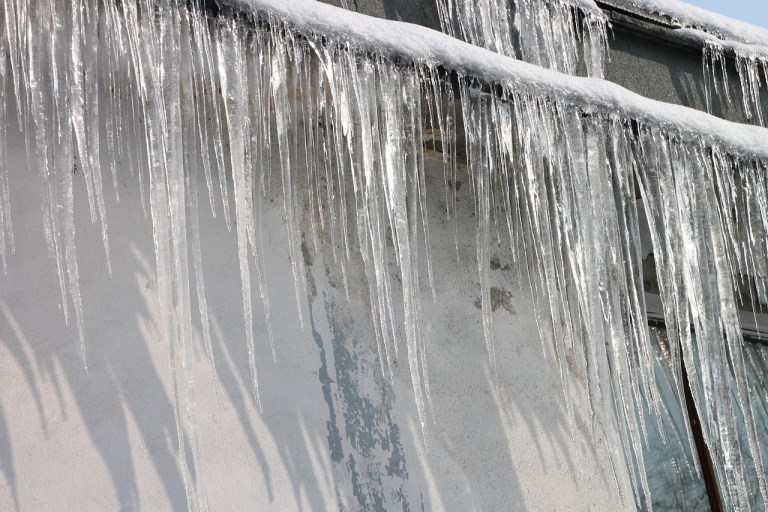
- Water Drainage Issues: One of the main concerns with a flat roof is water drainage. If not properly designed, flat roofs can accumulate water, leading to leaks and structural damage over time. It’s crucial to ensure adequate drainage systems are in place, such as scuppers, drains, or a slight slope, to facilitate water runoff.
- Weight Considerations: Concrete is a heavy material, and the structural integrity of the building must be assessed to support the weight of a concrete roof. In some cases, additional structural reinforcement may be required, adding to the overall cost of construction.
- Thermal Expansion and Contraction: Concrete can be susceptible to thermal expansion and contraction, which may lead to cracking over time. Proper joint design and the use of expansion joints are essential to mitigate this issue.
- Limited Aesthetic Options: Flat concrete roofs may not provide the visual appeal of pitched roofs, which can offer more architectural interest. However, finishes, coatings, and landscaping can enhance the overall appearance.
Conclusion
Flat concrete roofs are an excellent choice for commercial buildings looking for a long-lasting, energy efficient roofing option. However, property managers should give careful consideration to water drainage issues, weight restrictions – and how they want the building to look. With proper design, installation, and maintenance, a flat concrete roof can provide a reliable and functional roofing solution that meets the needs of commercial property owners for many years. And when your roof begins to age, ask about extending its life with roof coatings!If you have questions about a flat concrete roof for your business, speak to your architect or builder. If you want to protect your roof for decades to come, call Unicoat Industrial Roofing.