Tailoring Your Roof Preparations for Local Weather Risk
Commercial roofs are built to withstand wear and tear over time – but ensuring they can handle the unique challenges posed by local weather patterns is key to longevity and performance. Whether you’re located in a region with heavy snowfall, frequent rain, high winds, or extreme heat, preparing your commercial roof to handle these conditions is essential. In this article, we discuss how to tailor your roof preparation to local weather patterns and risks.

Consider Local Weather and Climate Extremes
One of the first steps in tailoring your roof preparation is understanding the climate extremes your area is prone to, such as:
Cold Climates (Snow, Ice, Freezing Temperatures): In areas where winter storms bring heavy snow or ice, your roof needs to support the weight of snow accumulation. This can require specialized design features, such as stronger structural components or snow guards that prevent snow from sliding off suddenly and damaging property below. Additionally, ice dams can form at the roof’s edge, leading to water leakage into the building. To mitigate this risk, ensure your roof has adequate insulation and proper ventilation to prevent ice dam formation.
Hot Climates (Heat and Sun Exposure): In places with intense sunlight and high temperatures, commercial roofs are often subjected to extreme heat. A roof can absorb a significant amount of solar radiation, leading to increased energy costs as air conditioning systems work harder. To prepare, consider using cool roofing materials such as reflective coatings or light-colored membranes that reflect sunlight and reduce heat absorption. Furthermore, thermal insulation can help regulate building temperatures, saving on cooling costs.
Coastal Areas (Salt, High Winds, Hurricanes): Coastal regions face a unique set of challenges, including high winds, saltwater corrosion, and hurricanes. Roofs in these areas need to be able to withstand powerful wind gusts and the corrosive effects of salt from the ocean. Consider materials that are resistant to saltwater corrosion, like galvanized steel, and install wind-resistant roofing systems, such as hurricane clips or reinforced roofing materials. You may also need to ensure the roof is designed with slopes or other elements that can direct water runoff efficiently to prevent flooding.
Weather-Resistant Roofing Materials
Choosing the right roofing materials is critical in ensuring your commercial roof can handle the demands of local weather patterns. Depending on the specific weather risks your building faces, different materials may offer advantages.
Metal Roofing: Metal roofs, especially those made from aluminum or galvanized steel, are ideal for high-wind regions and areas with heavy snow. They are durable, can shed snow easily, and are resistant to water damage and corrosion. Additionally, metal roofs are highly reflective, which helps in hot climates by reducing heat absorption.
TPO and PVC Roofing: These single-ply membranes are great for flat commercial roofs and provide excellent UV resistance, making them suitable for areas with high heat. They are also waterproof and provide good insulation, which can help with both cooling and heating costs.
Modified Bitumen Roofing: Modified bitumen roofs are often used in areas with harsh climates because of their durability and ability to resist both extreme temperatures and heavy rainfall. These roofs are particularly good for flat roofs in areas that experience significant precipitation.
Proper Drainage Systems
Regardless of the type of roofing material you choose, proper drainage is crucial. Poor drainage can lead to water pooling on the roof, which can cause leaks, mold growth, and structural damage. In places with heavy rainfall or snowmelt, installing a well-designed drainage system is essential to ensure water flows off the roof efficiently.
Consider using a roof slope to encourage water runoff and installing gutters, downspouts, or internal drains that are sized to handle the local rainfall intensity. In areas with snow and ice, ensure that your drainage system can handle the added burden of melting snow and ice.
Roof Inspections and Maintenance
Regular roof inspections are essential to prevent weather-related damage from going unnoticed. In areas with harsh weather, your commercial roof should be inspected at least twice a year—ideally before and after extreme weather events. A professional roofing contractor can identify current issues and weakened areas that need attention.
In addition to regular inspections, preventive maintenance is essential. For instance, in hurricane-prone areas, it may be beneficial to secure any loose roof components, and in colder regions, maintaining proper insulation and ventilation can prevent ice buildup. Routine cleaning of gutters and drains to ensure they are free of debris can also extend the lifespan of your roof.
Capability to Adapt to Seasonal Changes
Lastly, it’s essential to consider the seasonal shifts in weather patterns. Roofs in areas with hot summers and cold winters, for example, need to be designed to adapt to temperature fluctuations. The materials used should expand and contract with the temperature without compromising structural integrity. A roofing system that accounts for these seasonal changes will minimize the risk of cracks, leaks, or other types of damage that can arise from thermal expansion and contraction.
Roof Coatings for all Local Weather Conditions
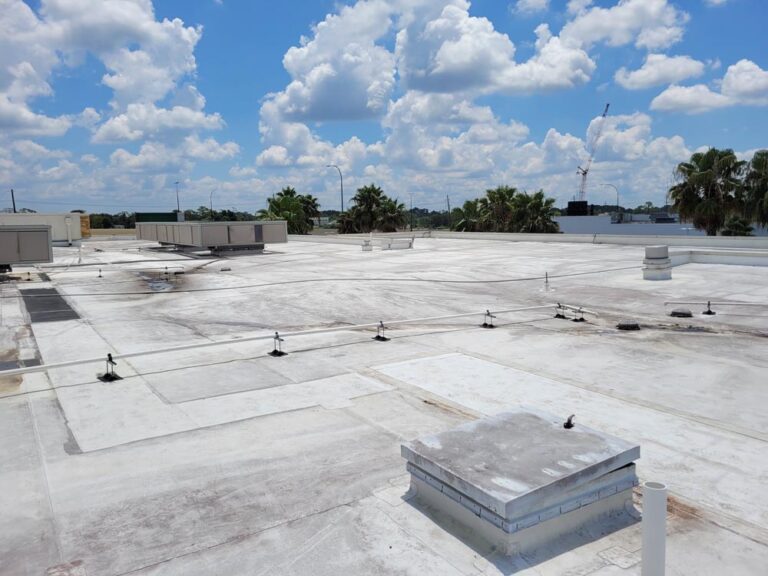
Commercial roof coatings are an ideal solution for roofing systems in most climates. They provide reflective UV protection in hot climates and seal the roof from water intrusion in rainy climates – as well as offer comprehensive protection against cracks, gaps and damage.
Unicoat Industrial Roofing are experts in roof coating solutions, with over 4 million gallons installed across the country. Call today to learn more about how roof coatings can help your commercial roofing budget and give you peace of mind – no matter your local weather.