

Coordinate With the Contractor for Efficient Project Completion
When it comes to commercial roofing projects, proper coordination with your contractor is the key to avoiding costly delays and minimizing disruption to your business operations. Whether you’re planning a roof replacement, repair, or a new installation, the relationship you build with your roofing contractor will directly impact the project’s success and result in higher-quality results – not to mention ensure that the project completion schedule remains on track.
Here are essential tips for coordinating effectively with your commercial roofing contractor to keep your project on its intended schedule.
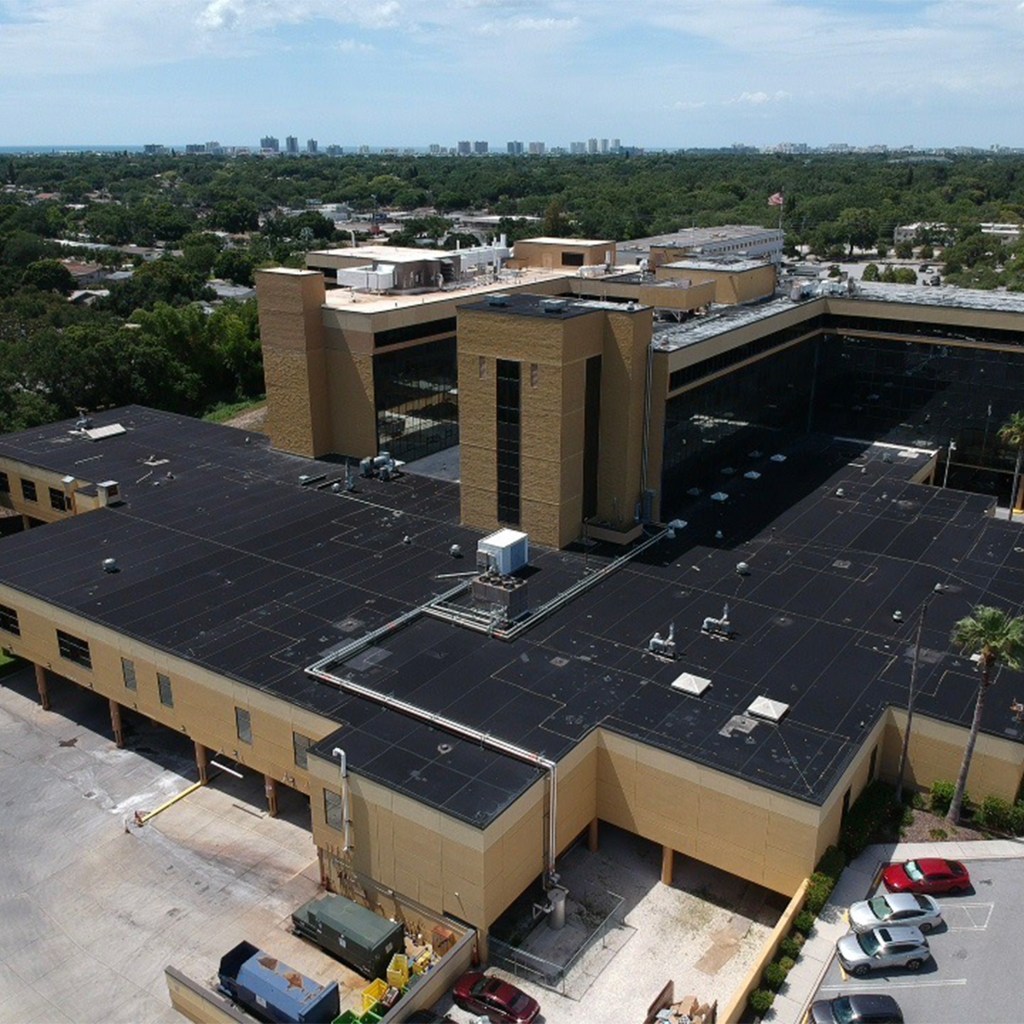
Communication is Your Key to Timely Project Completion
- Start with a Detailed Scope and Clear Objectives: Before any work begins, make sure you and your contractor are on the same page about the project scope. Outline exactly what work will be done, what materials will be used, and any timelines or deadlines. The more detailed your initial discussions, the fewer surprises you’ll encounter during the project. Pro Tip: Request a written proposal that includes start and completion dates, payment schedules, warranties, and safety protocols. This document serves as a roadmap for both parties and keeps everyone accountable.
- Establish a Communication Plan: One of the most common causes of project delays is miscommunication. Set expectations for how and when updates will be shared—whether it’s through weekly check-ins, daily reports, or on-site meetings. Identify a single point of contact from both your company and the roofing team to streamline communication and avoid confusion.
Key communication points might include:- Project progress updates
- Weather-related delays
- Safety or access concerns
- Change orders or scope adjustments
- Schedule Around Business Operations: Minimizing disruption to your day-to-day operations is critical. Work with your contractor to create a work schedule that accommodates peak business hours, customer traffic, or sensitive activities within the building. If your building operates 24/7 or houses sensitive equipment, it may be necessary to schedule work during off-hours or in phases. The more information you can provide upfront, the easier it is for your contractor to plan accordingly.
- Prepare the Site Ahead of Time: Before the crew arrives, ensure the worksite is ready. This could involve clearing the roof of HVAC equipment access obstructions, moving vehicles, or securing employee-only areas. Your contractor should provide a checklist or guidance on what needs to be done before work begins. This preparation speeds up the setup process and helps avoid delays caused by last-minute logistical issues. Keep in mind that if you do not have expertise in roof safety, your contractor can help you to ensure the roof is ready without risking your own employees’ health and safety.
- Be Available for Quick Decision-Making: During any construction project, unexpected issues can arise that can impact project completion —from weather changes to structural surprises. Being available to make timely decisions can prevent these issues from stalling the project. If you’re not available, make sure someone you trust can step in to keep things moving.
- Track Progress and Milestones: Monitoring progress helps ensure that work is being completed according to plan. Ask your contractor to provide progress updates tied to specific milestones, such as material delivery, old roof removal, underlayment installation, or final inspections. Use a shared calendar or project management tool if necessary to track deadlines and ensure everyone stays aligned with the project completion objectives.
- Conduct a Final Walkthrough: Once the work is completed, schedule a final inspection with your contractor. Walk through the project site together to verify that everything meets the agreed-upon standards. This is also the time to review warranty information, maintenance requirements, and ask any remaining questions.
Work with an Experienced Commercial Roofing Contractor
A successful commercial roofing project requires consistent coordination and communication, as well as mutual accountability between your management and an experienced roofing contractor. By taking the time to plan and communicate, you’ll ensure your project is completed on schedule and within budget.
Unicoat Industrial Roofing is one of the nation’s leading installers of innovative roof coatings. Before you replace your roof – call us. We may be able to help you save time and money.


One Comment
Comments are closed.