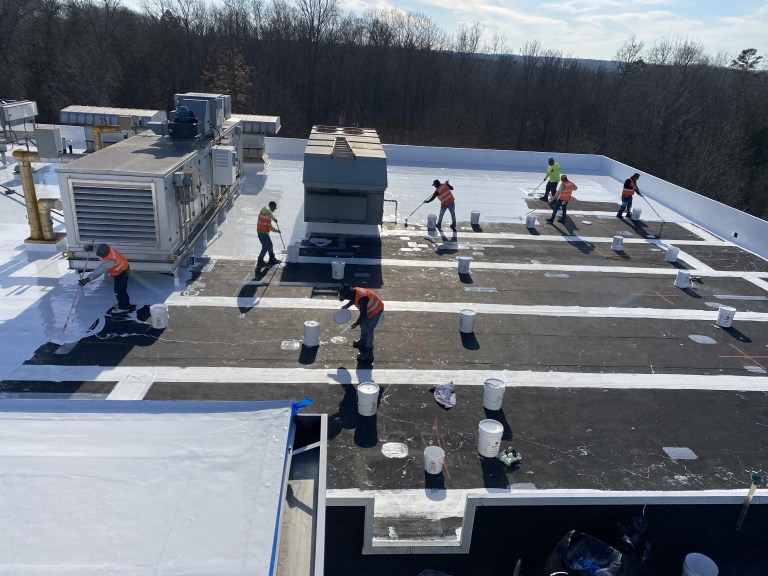
Preparing Industrial Roofs for Extreme Heat Conditions
Is your industrial roof ready to face the relentless heat this summer? For businesses across Florida, preparing for extreme heat conditions isn’t just an option—it’s a necessity. The sweltering temperatures and intense UV exposure can take a toll on your commercial rooftop, leading to premature wear and skyrocketing energy expenses.
Industrial roofs, especially those on older buildings, require special attention to ensure they can withstand rising temperatures while maintaining structural integrity. The consequences of overlooking this can lead to costly repairs, energy inefficiency, and disruptive downtime for your operations.
By taking proactive measures to prepare your roof for the hottest months, you can protect your property and enhance its energy efficiency. Whether it’s through investing in high-reflectance roof coatings, improving insulation, or scheduling routine maintenance, businesses have several options to guard their facilities against extreme heat. The U.S. Department of Energy’s overview of cool roof options is a useful starting point for understanding energy-efficient choices. In this article, we’ll explore essential tips and innovative solutions to keep your industrial roof resilient, no matter how high the thermometer climbs. Stay with us as we guide you in making informed decisions to tackle Florida’s extreme heat with confidence.
Understanding Thermal Expansion Stress
When preparing industrial roofs for extreme heat conditions, understanding thermal expansion stress is crucial. As temperatures rise, roofing materials expand. This expansion can lead to wear and tear on the roof’s surface and underlying structures, causing potential damage over time. For industrial properties in Florida, where heat and UV exposure are significant, it’s essential to factor this into roofing choices and maintenance plans.
Metal roofs, for example, can expand considerably when heated, putting stress on fasteners and seams. This may result in gaskets failing or seams opening, compromising the roof’s integrity. Similarly, single-ply membranes may experience thermal contraction and expansion, affecting their long-term performance.
Using materials like spray polyurethane foam (SPF) can help mitigate these challenges. SPF systems adhere seamlessly to the roof, minimizing gaps where expansion could create issues. The monolithic nature of SPF also works to adapt to structural changes without breaking or tearing. Coatings like white elastomeric or silicone can provide additional protection, decreasing roof temperatures and reducing expansion stress by reflecting sunlight.
Proactively addressing thermal expansion involves selecting flexible, adaptive roofing materials and scheduling regular inspections to check for expansion-related wear. Understanding these elements can ensure your industrial roof withstands the rigors of extreme heat while maintaining its durability and performance.
Protecting Membranes From UV Exposure
When it comes to extreme heat conditions, protecting roofing membranes from UV exposure is essential for industrial buildings. Prolonged exposure to UV rays can degrade the surface of a roofing membrane, impacting its longevity and performance. This is particularly crucial in Florida, where high UV index levels are commonplace.
Choosing reflective roofing materials is one effective strategy to combat UV damage. Reflective membranes, such as those found in elastomeric or silicone coatings, can significantly reduce surface temperatures. Their ability to bounce back solar energy not only shields the membrane from UV deterioration but also helps in energy savings by reducing the building’s cooling load. This same principle is at work on a city-wide scale, as the EPA explains in its resources on the urban heat island effect and strategies for mitigating heat absorption.
Regular maintenance plays a vital role in preserving these protective qualities. Routine inspections can identify areas of thinning or damage, allowing for timely repairs before UV exposure causes significant harm. Applying additional coatings proactively can replenish the protective barrier, ensuring the integrity of the roofing system remains intact.
Furthermore, a proper application process is crucial for these protection measures to succeed. Ensuring seamless adhesion without gaps or bubbles will enhance the effectiveness of the UV-resistant coatings. Strong adherence guards against peeling or flaking, which can prematurely expose the membrane to UV rays and accelerate wear.
By focusing on UV protection for roofing membranes, facility managers can extend the service life of roofing systems, maintain energy efficiency, and safeguard their investments against the harsh impacts of extreme heat conditions.
Choosing Heat Resistant Materials
When preparing industrial roofs for extreme heat conditions, selecting heat-resistant materials is crucial. Roofing materials must withstand prolonged exposure to high temperatures and intense UV radiation, common in regions like Florida. One effective option is spray polyurethane foam (SPF) systems. SPF provides excellent insulation, reducing the heat load on a building and enhancing energy efficiency. Its seamless application offers a monolithic surface that minimizes heat gain by eliminating joints and fasteners that could otherwise absorb and transfer heat.
Silicone coating systems are another favorable choice. These coatings reflect a significant portion of solar radiation due to their bright, white finish. This reflectivity helps maintain lower roof temperatures, prolonging the roof’s service life and reducing cooling costs. Silicone is also known for its flexibility, which accommodates thermal expansion and contraction without cracking, ensuring long-term durability.
Elastomeric coatings also offer heat-resistant properties. These coatings possess high elasticity, allowing roofs to endure temperature fluctuations without compromising integrity. Like silicone, elastomeric coatings provide high solar reflectance, aid in temperature regulation, and decrease the heat island effect in urban areas.
Aluminum coating systems are suitable for older metal roofs. Their reflective properties mitigate heat absorption and prevent rust, providing an additional layer of durability.
Selecting the right heat-resistant material aligns with specific environmental conditions and roofing needs, ensuring longevity and efficiency in extreme heat scenarios.
Frequently Asked Questions (FAQs)
FAQ1: How does heat damage commercial roofing materials?
Extreme heat can cause a range of issues for commercial roofing materials. Prolonged exposure to high temperatures can lead to the expansion and contraction of roofing materials, which may result in cracks or splits over time. This thermal stress can compromise the integrity of the roof and lead to leaks. Additionally, excessive heat can accelerate the breakdown of roofing membranes and other components, reducing their lifespan and effectiveness.
FAQ2: Can coatings reduce heat-related stress?
Yes, coatings can significantly reduce heat-related stress on commercial roofs. Coatings such as white silicone or elastomeric coatings have reflective properties that help reflect up to 90% of the sun’s rays. This reflective quality keeps roof temperatures lower and minimizes the thermal expansion and contraction of roofing materials. By reducing these temperature fluctuations, coatings help extend the roof’s service life and enhance energy efficiency, ultimately lowering cooling costs for the building.
FAQ3: What preparation should occur before summer?
Before the summer heat arrives, it’s important to prepare your roof to withstand extreme temperatures. Begin with a thorough inspection to identify any existing damage or potential weak points in the roof. Address any necessary repairs early to prevent further deterioration. Consider applying a reflective roof coating to enhance thermal resistance and energy efficiency. Schedule a maintenance plan and clean debris from gutters and drainage systems to ensure proper water runoff. For broader guidance, Roofing Contractor offers practical advice on preparing roofs for extreme weather. Taking these steps will help prepare your industrial roof for the challenges of extreme heat conditions.
Strengthening Your Roof Against Rising Temperatures
Ensuring your industrial roof is prepared for intense heat conditions is essential for maintaining its longevity and performance. Across Florida’s challenging climate, investing in heat-resistant materials, understanding thermal expansion, and prioritizing UV protection are key strategies for protecting your roof. Reflective coatings, such as those in silicone or elastomeric systems, can lower surface temperatures and enhance energy efficiency. Meanwhile, materials like spray polyurethane foam offer superior insulation and structural flexibility. With these measures, along with proactive maintenance and inspections, businesses can safeguard their facilities from the costly effects of extreme heat while ensuring operational continuity.