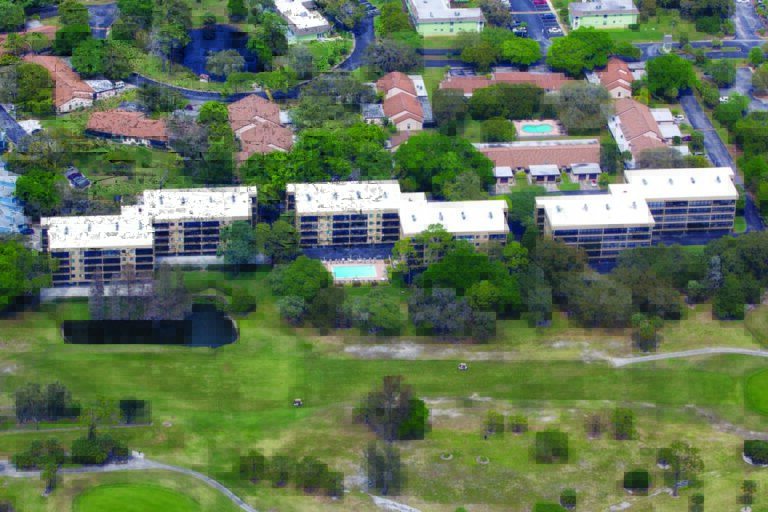
Roof Coatings & the Sustainability of Your Building
The contemporary business environment necessitates a focus on sustainability and eco-responsibility in all aspects of property management. While they may not be the first improvement you think of, roof coatings offer a range of environmental benefits. By improving energy efficiency, extending roof lifespan, reducing waste, and mitigating the urban heat island, roof coatings contribute significantly to a building’s sustainability.
Roof coatings offer an effective and cost-efficient way to reduce a building’s carbon footprint. Here’s how.

- Energy Efficiency and Reduced Energy Consumption: One of the primary environmental benefits of roof coatings is their ability to enhance the energy efficiency of a building. Roof coatings, particularly reflective or “cool” coatings, are designed to reflect a large portion of solar radiation, reducing the amount of heat absorbed by the roof. Positive effects may include:
- Lower cooling demand: Reflective roof coatings prevent heat from being absorbed into the building, thereby keeping indoor temperatures cooler. As a result, the building requires less energy to cool the interior, reducing the use of air conditioning and other cooling systems.
- Energy savings: By reducing the need for air conditioning, the building consumes less electricity, leading to a significant decrease in energy bills. This lower demand for energy means a reduction in greenhouse gas emissions associated with the production of electricity, especially when it comes from fossil fuel-based sources.
- Energy efficiency in hot climates: In regions where cooling costs are conventionally high, roof coatings can be effective in reducing the energy required for air conditioning, which directly results in lower carbon emissions and a smaller environmental footprint.
- Combating the Urban Heat Island effect: In urban areas, buildings, roads, and other infrastructure often absorb and re-radiate heat, creating a phenomenon known as the urban heat island (UHI) effect. This leads to increased local temperatures, higher demand for cooling, and greater energy consumption. Roof coatings can mitigate UHI by reflecting more sunlight and absorbing less heat.
- Cooling the surrounding area: By reducing the amount of heat absorbed by the building’s roof, cool roof coatings help lower ambient temperatures in urban areas. This, in turn, reduces the overall demand for air conditioning in nearby buildings, further reducing energy use and its associated carbon emissions.
- Promoting sustainability in cities: Urban heat islands exacerbate energy consumption during hot months, leading to a vicious cycle of higher emissions. Roof coatings help break this cycle by minimizing temperature increases, improving the thermal comfort of urban environments, and making cities more sustainable.
- Prolonged Roof Lifespan and Reduced Waste: Roof coatings are also known for extending the lifespan of a building’s roof. They provide a protective layer that shields roofs from damage caused by environmental factors such as UV rays, extreme temperatures, and precipitation.
- Longer roof lifespan: By preventing damage and deterioration, roof coatings help buildings avoid frequent roof replacements, which are resource-intensive and generate significant amounts of construction waste.
- Less construction waste: The need for fewer roof replacements means less disposal of old roofing materials and a reduction in the environmental impact associated with manufacturing, transporting, and installing new roofing materials. This also helps conserve raw materials that would otherwise be consumed in the production of new roofing systems.
- Reduction in Greenhouse Gas Emissions: Reducing the amount of energy required to cool a building translates into a reduction in greenhouse gas emissions. The burning of fossil fuels to generate electricity is a major contributor to carbon emissions, and by reducing a building’s energy demand, roof coatings play a crucial role in minimizing this impact.
- Indirect carbon reduction: In buildings that rely on air conditioning or refrigeration, the energy used to cool the building often comes from power plants that burn fossil fuels. By reducing cooling demand, roof coatings indirectly decrease the carbon emissions tied to electricity generation.
- Lower carbon footprint: Through energy savings and decreased emissions, roof coatings can substantially lower a building’s overall carbon footprint, helping it become a more eco-friendly structure.
- Sustainability and Use of Low-VOC Materials: Many roof coatings today are formulated with low volatile organic compounds (VOCs), which improves the air quality both inside the building and in the surrounding environment. VOCs are harmful gases that are emitted from certain materials and can contribute to air pollution, smog, and respiratory issues.
- Healthier environment: Low-VOC coatings contribute to a healthier living and working environment by reducing the amount of harmful chemicals released into the air. This makes roof coatings a valuable choice for sustainable building practices.
- Eco-friendly ingredients: Some coatings are made from recycled or sustainably sourced materials, further enhancing their environmental credentials. These eco-friendly ingredients reduce the overall environmental impact of the coating and the building as a whole.
- Stormwater Management and Water Conservation: Roof coatings can also play a role in improving stormwater management. Some coatings are designed to be water-resistant or even facilitate rainwater harvesting.
- Reducing runoff: By improving the roof’s ability to resist moisture and water infiltration, roof coatings help reduce the amount of stormwater runoff. This minimizes the strain on local stormwater infrastructure, which is particularly important in areas prone to flooding.
- Promoting water conservation: Roof coatings designed for rainwater harvesting allow buildings to capture and store rainwater for non-potable uses, such as landscaping or irrigation. This reduces the demand on municipal water supplies, conserving valuable resources.
- Potential for Carbon Sequestration: Recent innovations in roof coatings are exploring the possibility of coatings that can absorb and store carbon dioxide (CO2). This process, known as carbon sequestration, can help offset some of the carbon emissions produced by the building itself.
- Absorbing CO2: Some advanced coatings contain ingredients or are treated in ways that promote the capture of CO2 from the atmosphere, further contributing to the building’s environmental sustainability.
- Long-term environmental impact: Though this technology is still emerging, it has the potential to make buildings that use carbon-sequestering roof coatings part of a larger effort to combat climate change.
Unicoat Industrial Roofing is a leading installer of quality roof coatings. With over 4 million gallons installed, we are the knowledge leader when it comes to your roof. Call today to learn more about how roof coatings can benefit your building’s longevity – and rotect your budget.