Why Smart Facility Managers Think in Roof Life Cycles
Have you ever considered your roof as a dynamic element of your building, rather than a static fixture? Smart facility managers are increasingly recognizing the significance of thinking in roof life cycles. By viewing your roof as a strategic asset, rather than just a part of the structure overhead, you can make more informed decisions that enhance longevity and performance.
In the demanding environments of Florida, where buildings face challenges like extreme heat, heavy rainfall, and hurricane risks, adopting a life cycle perspective means not only choosing the right materials and maintenance strategies but also planning for future upgrades and potential replacements. It’s about proactive management that goes beyond patchwork solutions to ensure long-term efficiency and cost-effectiveness. For a deeper look at this discipline, Facility Executive outlines strategic planning techniques for extending a roof’s life cycle.
Facility managers who embrace this approach can optimize energy use, improve indoor comfort, and minimize operational disruptions. This holistic view allows for strategic budgeting and resource allocation, anticipating changes and adapting to new challenges. Join us as we explore why thinking in roof life cycles can be a game-changer for your facility’s overall strategy.
Planning Beyond Immediate Repairs
Thinking about a roof in terms of its life cycle, rather than focusing solely on immediate repairs, offers significant benefits for facility managers. This perspective allows for a more strategic approach to roofing maintenance and budgeting. Addressing only urgent repairs can lead to a reactive management style, where decisions are driven by immediate needs rather than long-term goals. In contrast, understanding the full life cycle of a roof enables facility managers to anticipate needs and plan improvements and maintenance more effectively.
When planning beyond immediate repairs, it’s important to consider the expected longevity of the roof and the different phases it will go through during its life span. This includes understanding when the roof might start to degrade, when it might need minor repairs, and eventually, when a replacement might be necessary. By having this information, facility managers can accurately budget for these phases, preventing unexpected expenses that disrupt financial planning.
Additionally, embracing a life cycle perspective ensures that measures to extend the roof’s life, such as coating systems or routine inspections, are prioritized. This proactive approach can reduce the need for frequent in-depth repairs, thereby minimizing disruption to building operations. For example, incorporating periodic maintenance strategies and advanced coating systems can help mitigate the effects of Florida’s harsh weather, such as heavy rainfall and extreme UV exposure. This strategy leads to greater roof durability and potentially lowers the total cost of ownership over the years. Overall, planning with a life cycle mind-set ensures the roof remains a reliable asset, supporting the organization’s operational and financial objectives.
Aligning Roof Strategy With Asset Management
When managing a facility, one of the key elements that requires attention is the roof. A thoughtful, long-term strategy for roofing can significantly enhance your asset management approach. Aligning your roof management with your overall asset strategy ensures that the roof isn’t merely an afterthought—it becomes a proactive component of your facility’s sustainability and efficiency plan.
Viewing your roof as an asset means considering more than just its initial installation cost. A well-maintained roof can help control energy expenses, protect the building interior, and mitigate untimely disruptions to operations. As you align your roofing strategy with asset management, consider the specific environmental challenges your facility faces. In Florida, for instance, roofs must withstand extreme heat, UV exposure, frequent heavy rainfalls, and occasionally, hurricane-force winds. Choosing materials and systems that can weather these conditions is a crucial part of your planning process.
Moreover, a roof strategy that’s integrated with asset management helps in optimizing the lifecycle costs. This approach may involve regular maintenance, timely repairs, and even selecting advanced roofing systems like spray polyurethane foam (SPF) or reflective coatings to capitalize on energy efficiency. Each choice should align with the financial and operational goals of the facility. As Buildings explains in its overview of long-term roofing approaches, proactive management and maintenance can lead to meaningful cost savings and sustainability. By thinking in life cycles, facility managers can avoid costly surprises and extend the life of their roofing systems, ensuring that each part of the infrastructure works seamlessly in concert with the rest.
Reducing Operational Disruptions Over Time
When it comes to maintaining a commercial or industrial property, minimizing operational disruptions is a top priority for facility managers. The roof, often an overlooked element, plays a critical role in ensuring smooth operations. Addressing its needs within a life cycle management framework is key to reducing interruptions significantly over time.
A proactive approach to roof management involves routine inspections and maintenance plans designed to catch minor issues before they evolve into expensive and time-consuming problems. By scheduling regular maintenance, you’re less likely to experience unexpected downtime caused by leaks or structural damage. This approach not only helps to prolong the service life of the roof but also mitigates the risks associated with sudden operational halts due to adverse roof conditions.
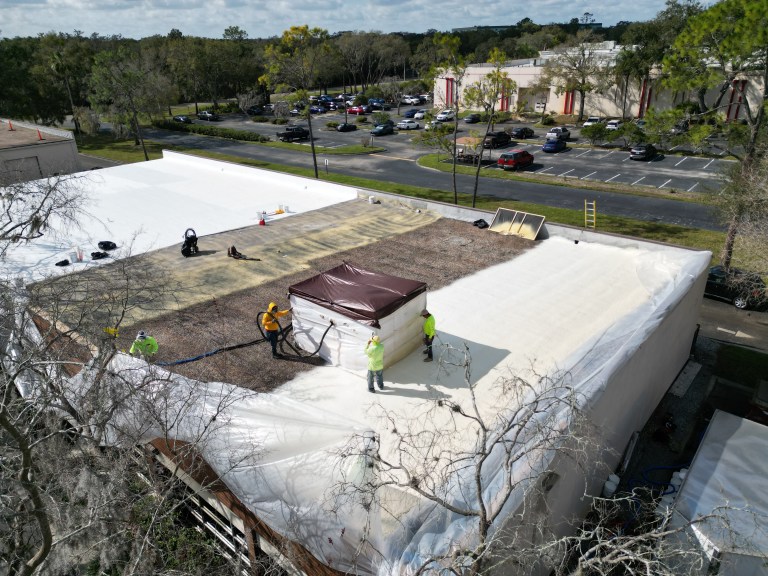
Selecting durable and adaptable roofing solutions, like spray foam systems, further reduces operational disruptions. These systems are particularly advantageous in challenging environments like Florida, where UV exposure, heavy rainfall, and the risk of hurricanes can threaten roof integrity. Spray foam not only enhances insulation and weather resistance but also minimizes the need for disruptive repair work.
By integrating a roof lifecycle management plan that emphasizes preventative care and smart material choices, facility managers can effectively guard against the unexpected, ensuring the property remains a well-oiled machine. This forward-thinking strategy ultimately supports consistent business operations by preemptively addressing potential disruptions, leading to a more reliable and efficient facility management process.
Frequently Asked Questions (FAQs)
FAQ1: What is a roof lifecycle strategy?
A roof lifecycle strategy is a proactive approach to managing a roof’s expected lifespan, including planning for maintenance, repairs, and eventual replacement. It involves assessing current roof conditions, forecasting future needs, and budgeting accordingly. This strategy helps facility managers optimize costs and ensure that roofing systems perform effectively over time.
FAQ2: How does lifecycle planning reduce surprises?
Lifecycle planning reduces surprises by allowing facility managers to anticipate and prepare for necessary maintenance and repair tasks before they escalate into more severe issues. By routinely assessing the roof’s condition and performance, managers can identify problems early, plan timely interventions, and spread out costs rather than facing unexpected emergency repairs or premature replacements. FacilitiesNet shares additional best practices for managing roofing life cycles that reinforce this point.
FAQ3: Is lifecycle planning suitable for small facilities?
Yes, lifecycle planning is suitable for small facilities. While the scale might differ from larger operations, the core benefits remain the same. Small facility managers still benefit from reduced unforeseen expenses, better budget forecasting, and prolonged roof life. Tailoring a lifecycle plan to fit a smaller facility’s specific needs and budgets ensures that managers can maintain optimal roof performance without financial strain.
Managing Roofing With a Long Term Vision
Harnessing a life cycle approach to roof management empowers facility managers to align their roofing strategies with overarching operational goals, driving efficiency and reliability across the board. This perspective encourages a shift from reactive quick fixes to proactive planning, allowing for strategic budgeting that accommodates for both routine maintenance and inevitable upgrades or replacements. In regions like Florida, subject to intense environmental demands, this approach is particularly beneficial, accommodating the unique challenges of extreme weather and maximizing a roof’s potential as a strategic asset. By focusing on the long-term trajectory of roofing systems, facility managers can enhance performance, minimize disruptions, and support sustainable, cost-effective operations.