Managing Stakeholder Expectations During Roofing Projects
Commercial roofing projects involve significant investment and logistical coordination. Multiple stakeholders with diverse priorities have an interest in how the project plays out, and effective expectation management is essential to avoid misunderstandings and minimize operational disruptions. This article will discuss the key stakeholder groups in commercial roofing projects and offer potential strategies to manage their expectations effectively.

What Stakeholders Value – and Need to Know
-
Property Owners / Asset Managers: The concerns of property managers include ROI, budget adherence, long-term performance, tenant satisfaction, and how warranties will protect their investment. Owners and managers should start by asking for comprehensive proposals to offset these concerns. These proposals should present a detailed scope of work, material options, timeline, warranties, and cost-benefit analysis. Management often seeks long-term value (e.g., energy efficiency, durability) over short-term cost to align with investment goals. The roofing contractor should provide weekly progress reports – including photos, percent completion, and upcoming phases – to keep management in the loop and implement a structured change order process to document and promptly explain any scope or cost changes.
- Tenants or Commercial Occupants: Tenants or other occupants of the building will typically be worried about business disruption, access restrictions, noise, dust – and in retail or business environments, how the project will affect their customers’ experience. Management should work with the contractor to develop and and communicate a disruption minimization plan tailored to business operations (e.g., work outside business hours, phased zones). Tenants should be provided with advance notice letters 2–3 weeks prior to the project. These communications should include detailed timelines, access points, and safety information. A dedicated project liaison for tenant concerns or urgent needs should also be appointed and clearly communicated. Signage and barricades will serve as visual guides to keep customers and staff informed and safe during the project.
- General Contractors or Construction Managers: These stakeholders may exist if part of a larger project. Their concerns will include coordination, sequencing, compliance with master schedule and scope clarity. It will be necessary for these teams to integrate with the master schedule and coordinate daily and weekly work plans to avoid conflicts with other trades or project phases. Contractors should be required to attend project coordination meetings and provide timely progress reports.
- Facility Managers / Building Engineers: Facility managers are concerned about access control, safety, ongoing operations and utility disruptions. A strategy to ease these concerns may include a pre-construction walkthrough that identifies critical systems (HVAC units, electrical lines) and how to protect or relocate them. Contractors will need to schedule crane operations, deliveries, and equipment staging to inflict minimal impact on facility functions. The team should also develop joint procedures for inclement weather, power failures, or building system conflicts.
- Local Authorities / Inspectors: The municipal authorities will be concerned about permit compliance, safety regulations and code adherence. The roofing project team should employ early engagement, submitting required permits and documentation early in the planning phase. To avoid project delays, the team should proactively schedule mandatory inspections as soon as possible. The team should keep all required plans, MSDS sheets, and safety certifications readily available onsite; and follow OSHA and local codes strictly to avoid citations and build trust with inspectors.
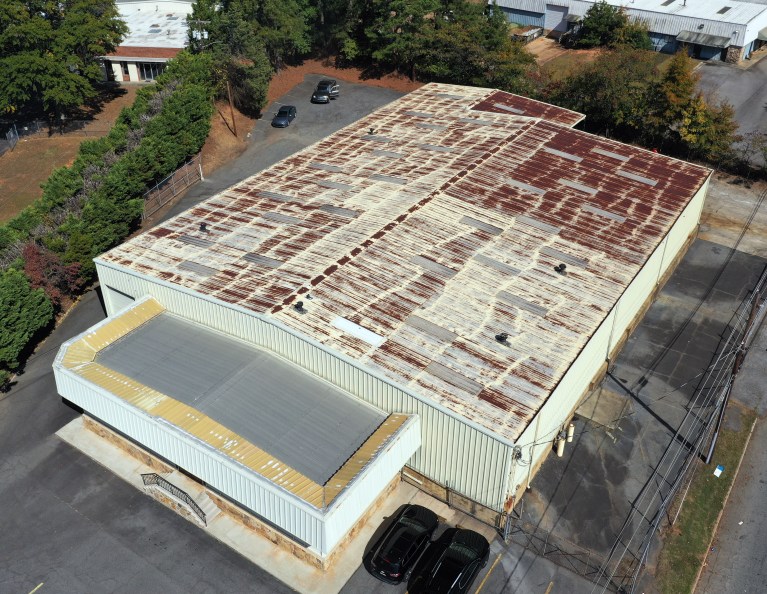
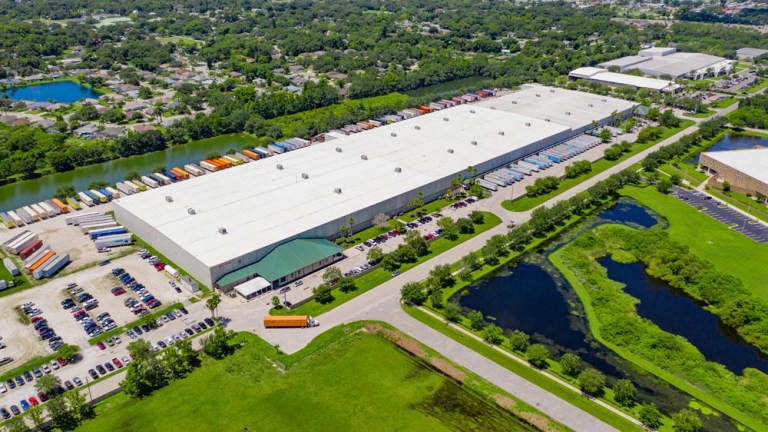
- Insurance Providers / Risk Managers: Insurers will be looking at liability exposure, safety, claim risks and proper documentation. In order to stay within their boundaries, the team should develop risk mitigation plans that present safety procedures, fall protection plans, and weather protocols. Detailed logs of any accidents, material issues, or weather-related delays should be maintained; and all contractors should provide up-to-date COIs (Certificates of Insurance) before mobilizing. Expert Tip: Capture aerial or drone photos before, during, and after the project.
- Neighbors / Adjacent Property Owners: These stakeholders may have legitimate concerns regarding shared access, debris, noise, parking, customer flow. Be sure to deliver advance notice about work dates and potential impacts (e.g., lane closures, crane operations) to everyone who may be affected. Be sure to adhere to local ordinances on noise and work hours; and maintain cleanliness and ensure no debris drifts to neighboring properties. Management and property owners should be careful not to block shared driveways or loading docks during peak hours.
We Can Help You with a Plan for Each Stakeholder
Managing stakeholder expectations in commercial roofing projects demands structured communication and clear documentation. Anticipating each group’s unique concerns ensures stronger relationships and successful project outcomes.
If you are considering a major roof restoration project, call the experts. Unicoat Industrial Roofing is one of the most trusted commercial roofing contractors in the nation.