How Extreme Cold Affects Commercial Roofs
Extreme cold weather can damage commercial roofing systems, even those designed to withstand various environmental stresses. As we move into the coldest part of the year, property managers need to understand how the weather can affect their specific building and its roof.
This article will explore how cold weather can damage commercial roofing systems and what can be done to prevent and address those issues.
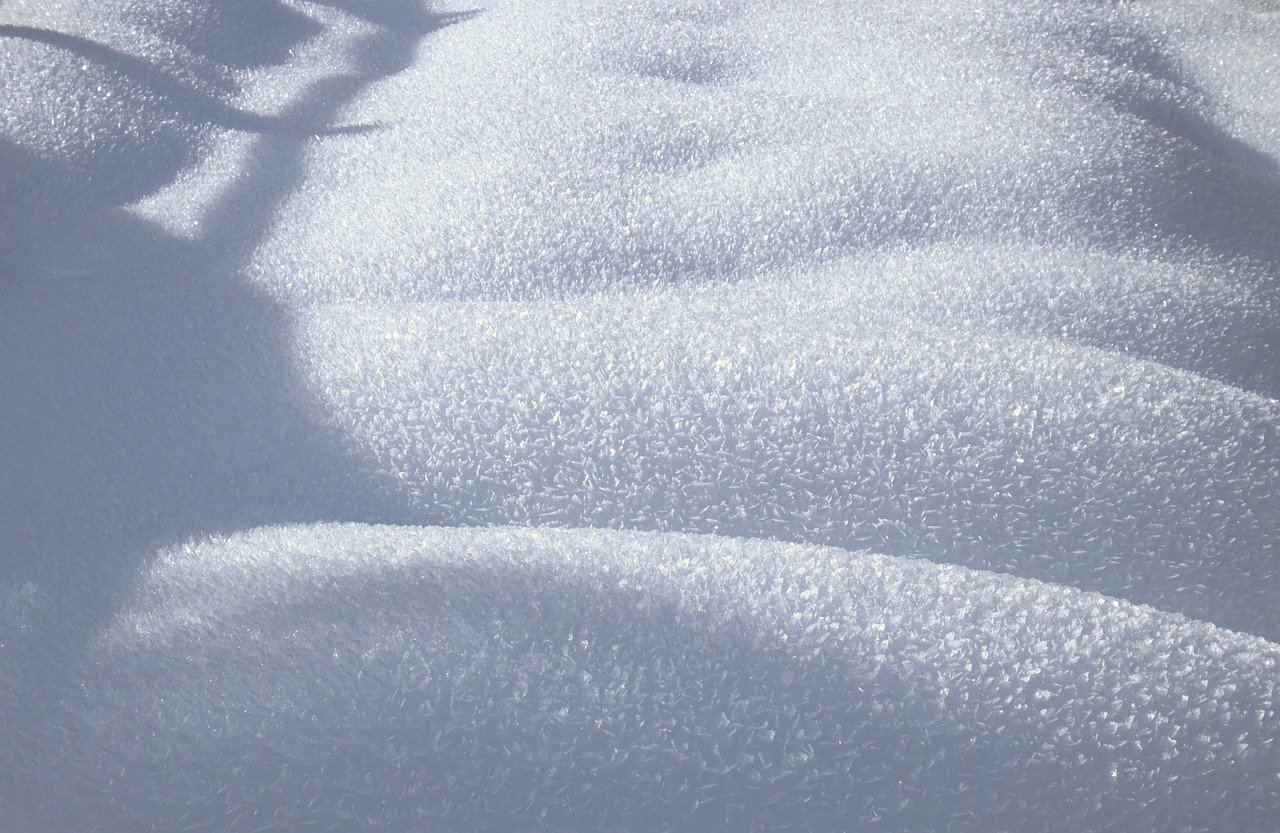
- Damage from Freezing Temperatures and Ice Formation: One of the most common issues caused by extreme cold is the formation of ice dams. Ice dams occur when melting snow refreezes at the roof’s edge, creating a barrier that prevents water from draining off. This trapped water can then seep under the roofing material, leading to leaks inside the building. Over time, repeated freezing and thawing cycles can cause the roofing material to weaken, lift, or crack. There are some preventive measures that building owners can take, including:
- Proper Insulation: Ensure the roof’s attic or underlayment is well insulated. This helps to prevent heat from escaping into the attic, which would otherwise melt the snow on the roof. Cold roof surfaces allow snow to remain intact, reducing the chances of ice dam formation.
- Adequate Ventilation: Proper roof ventilation ensures the entire roofing system stays cool, preventing the conditions leading to ice damming. Ridge vents, soffit vents, and other ventilation solutions help maintain uniform temperature across the roof.
- Expansion and Contraction of Roofing Materials: Roofing materials, such as metal, asphalt, and membranes, naturally expand and contract with temperature fluctuations. When extreme cold sets in, materials contract and become more brittle. Repeated expansion and contraction can weaken the roof’s structural integrity, leading to cracks, gaps, or even complete failure of some roofing materials. This can also affect the waterproofing elements in extreme cases, leading to leaks. Potential preventive measures to be considered include:
- Using High-Quality Materials: Choose roofing materials designed to withstand temperature extremes. Some modern roofing systems are made with materials more resistant to thermal stress, such as certain metal roofs or modified bitumen.
- Regular Inspection and Maintenance: Before winter, it’s essential to conduct a thorough inspection of the roof. Look for signs of damage like cracks, warped materials, or any gaps in the roof. Repairing minor issues can prevent more significant problems during extreme cold weather.
- Accumulation of Snow and Weight Stress: Heavy snow accumulation can place significant stress on the roof, particularly on flat roofs. Snow buildup, especially if it’s wet or slushy, can weigh down the roofing structure. If the weight becomes too great, it can cause the roof to sag or even collapse in extreme cases. Commercial roofs with inadequate load-bearing capacity or those not designed to withstand significant snow loads are at higher risk. Preventive measures to avoid these particular issues include:
- Snow Removal: Regular snow removal is essential to prevent excessive weight buildup. For flat roofs, snow should be removed regularly using proper tools and techniques to avoid damaging the roofing materials. Specialized snow removal equipment can remove snow safely from the roof without causing damage.
- Roof Load Capacity Assessment: A structural engineer can assess the roof’s load-bearing capacity and suggest modifications if the roof is not designed to handle significant snow loads. Reinforcing the roof with additional support or adding snow guards can help prevent excessive weight-related damage.
- Condensation and Moisture Trapping: In cold weather, condensation can form when warm, moist air from inside the building rises and meets the cold roofing materials. If this moisture cannot escape through proper ventilation, it may accumulate inside the roofing system, leading to mold growth, corrosion of metal components, and degradation of insulation materials. Measures that a building manager can take include:
- Moisture Barriers: Installing vapor barriers within the roofing system helps prevent moisture from entering the structure. This is particularly important for buildings with high humidity levels, such as factories or warehouses.
- Enhanced Ventilation: Ensure that the roofing system has adequate ventilation to allow for moisture to escape, especially in attic spaces or between roof layers. Proper ventilation helps maintain the roof’s integrity and reduces the risk of condensation.
- Wind and Snowdrift Damage: Extreme cold is often accompanied by high winds, exacerbating roofing damage. Wind can cause snowdrifts to accumulate in certain areas of the roof, concentrating weight in specific spots. The combination of freezing temperatures and strong winds can also lead to ice buildup that damages shingles or other roofing materials. Preventive measures for these situations include:
- Wind-Resistant Materials: Install roofing materials that are resistant to wind uplift. For example, metal roofing panels or modified bitumen membranes can resist high winds better than traditional shingles.
- Snow Drift Control: Snow guards and barriers can be installed to prevent snowdrifts from accumulating on specific roof areas, especially near vents, edges, or parapets.
Early intervention and professional inspections can help mitigate the risks of cold weather damage, ensuring the longevity and efficiency of the roof throughout the winter season. To schedule an inspection and set up a maintenance contract before the cold arrives, call Unicoat Industrial Roofing today.