Hidden Dangers of Snow and Ice Accumulation on Commercial Roofs
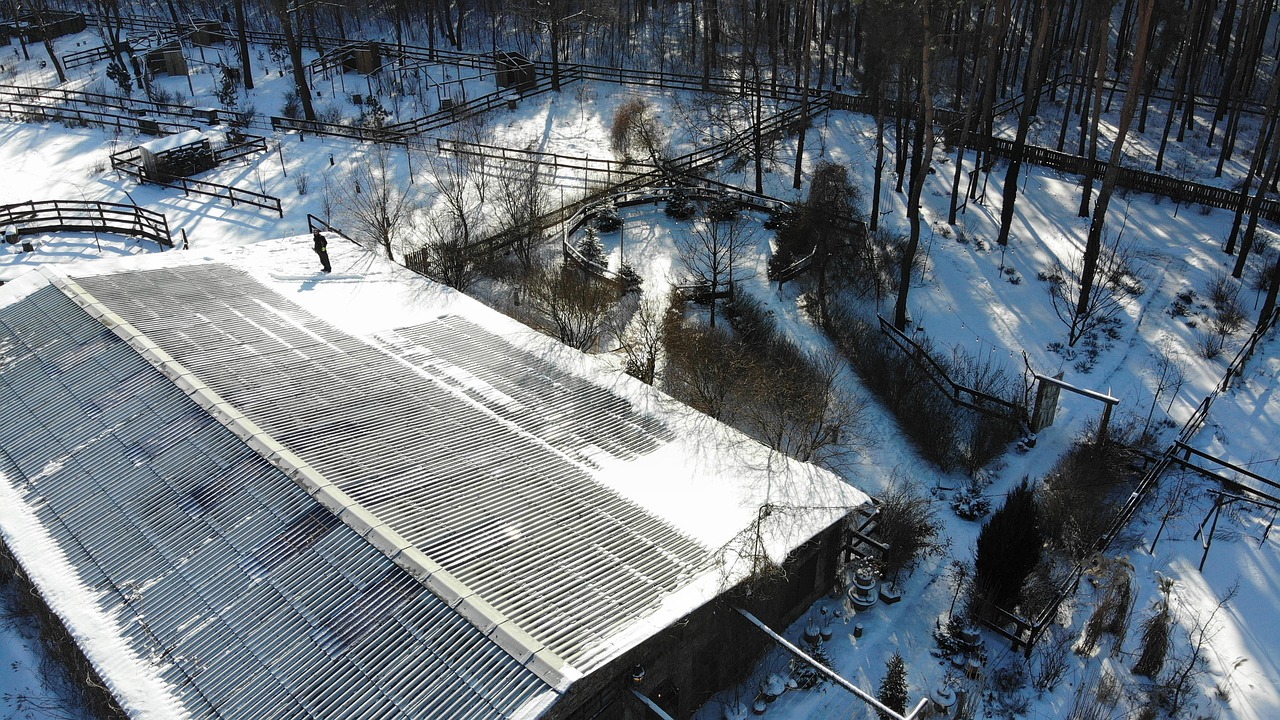
Before long, winter will be settling in across much of the United States. The advent of freezing weather means that businesses will once again have to deal with snow and ice accumulation on their commercial roofs. While a fresh layer of snow might look picturesque, it can quickly become a serious hazard if not managed properly. From structural strain to water leaks and costly repairs, understanding the risks—and how to prevent them—is essential for every commercial property owner or facility manager.
The Weight of Snow: A Structural Time Bomb
One of the biggest dangers of snow buildup is the excessive weight it adds to a roof. The density of snow varies widely depending on temperature and moisture content. Light, fluffy snow may weigh only a few pounds per cubic foot, but wet, compacted snow or layers of ice can weigh 20 pounds or more per cubic foot.
Commercial roofs—especially flat or low-slope designs—are particularly vulnerable. Unlike steep residential roofs that shed snow naturally, flat roofs allow snow and ice to accumulate unevenly. Over time, this uneven loading can cause structural stress, sagging, or even partial collapse.
Older buildings or those with deferred maintenance are at the greatest risk. Even if a roof was originally designed to meet snow load requirements, decades of wear, corrosion, or minor leaks can compromise its load-bearing capacity.
Ice Dams and Water Intrusion
When daytime temperatures rise slightly and then drop overnight, the snow on the roof melts and refreezes. This can create ice dams – especially near drains, gutters, and edges. As the ice thickens, it traps melting water behind it, preventing proper drainage. The trapped water can then seep beneath flashing or roofing membranes, causing leaks and water damage to insulation, ceilings, walls, and electrical systems.
In addition to damaging the building envelope, moisture infiltration can lead to mold growth—posing health risks to occupants and further driving up remediation costs.
Ice Accumulation and Snow Hazards
Snow and ice accumulation is both a structural concern and a safety hazard. As temperatures fluctuate, large sheets of snow or ice can slide off sloped sections. Falling chunks of ice can damage HVAC units, vehicles, landscaping, and even injure employees or customers.
This is especially dangerous in areas with high foot traffic, such as loading docks, walkways, and building entrances. Businesses can face liability issues if someone is injured by falling debris.
How to Prevent Roof Damage This Winter
The best way to protect your commercial property from winter weather is through proactive maintenance and planning. Here are several strategies to reduce risk:
Schedule a Professional Roof Inspection: Before the snow season hits, have a qualified roofing contractor inspect your roof. They can identify weak spots, drainage issues, damaged flashing, or insulation problems that could worsen under snow load.
Install Proper Drainage Systems: Ensure that gutters, downspouts, and internal drains are clear and functional. Heated cables or de-icing systems can also help prevent ice buildup in key areas.
Monitor Snow Loads: Keep track of snow and ice accumulation using visual inspections or roof monitoring systems. If snow depth exceeds safe levels (often 6–12 inches for flat roofs, depending on roof design), arrange for professional snow removal.
Avoid DIY Snow Removal: Never send untrained personnel onto a snow-covered roof. Improper removal techniques—like using sharp tools or walking directly on roofing membranes—can cause serious damage. Always hire experienced contractors with the right equipment.
Insulate and Ventilate: Proper insulation and ventilation can minimize heat loss from the building, reducing uneven melting that leads to ice dams.
Winter weather is unpredictable, but preparation is the best defense. A little proactive attention now can prevent costly emergencies later.
If you’d like to learn more about making sure your commercial roof is ready for winter, call the experts at Unicoat Industrial Roofing. We have the expertise and solutions you need to protect your roof this season and beyond.