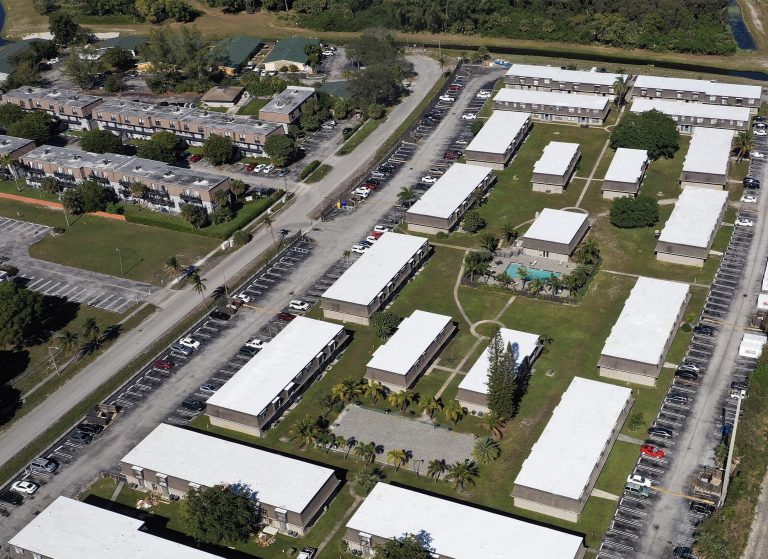
Evaluating Roof Performance Before Making Capital Decisions
Is your roof ready to weather the storm, or is time ticking on a significant capital decision? Evaluating roof performance should be at the forefront of your facility management strategy. Roofs serve as the first line of defense against Florida’s elements, from relentless heat and UV exposure to heavy rain and potential hurricane impacts. Before investing in a complete roof replacement, understanding your roof’s current performance can help identify the most economical and efficient options available.
Roof assessments provide insights into your roof’s health, identifying signs of wear or damage that may not be immediately apparent. These evaluations can also uncover potential energy savings by optimizing roof coatings or insulation. By addressing these aspects, you can extend the life of your existing roof while aligning improvements with budget constraints and operational goals.
The right roof solutions cater to your building’s specific demands, providing protection and performance without unnecessary costs. Informed decisions can also minimize business disruption and align with your long-term sustainability efforts. Explore how different factors like thermal reflectance, insulation value, and waterproofing capabilities contribute to roof performance, setting the foundation for your capital planning.
Assessing Current Waterproofing Capacity
Understanding your roof’s existing waterproofing capacity is a critical step in evaluating its performance, especially when you’re faced with making significant capital investment decisions. Roof waterproofing refers to the ability of your roof to resist water intrusion, which is crucial in maintaining the integrity of your building. Any failure in this aspect can lead to costly damage and disruptions.
Start by inspecting the roof for obvious signs of leakage or standing water, often indicative of underlying problems. In Florida, frequent heavy rainfall and the threat of hurricanes mean any weakness in waterproofing can be swiftly exploited. Look for areas where water ponds, as these could signify inadequate drainage or slope issues.
Check all sealants and flashing around penetrations, such as vents, skylights, and HVAC systems. These areas are common entry points for water due to the additional stress placed on them by elements like UV rays and thermal expansion. Faulty or degraded flashing is a leading source of water ingress.
Examining the roofing material itself is essential, whether it’s spray foam, silicone, or other coatings. Spray foam systems, for example, should be inspected for cracks or punctures that might have developed over time. Utilize moisture detection equipment, which can provide a more comprehensive assessment than surface-level checks alone.
Record any findings thoroughly to prioritize roof areas needing urgent repairs. Addressing waterproofing capacity proactively helps in mitigating potential water damage risks, extending the roof’s life, and ensuring that any further investment is well considered and wisely allocated.
Measuring Thermal Efficiency Performance
Understanding the thermal efficiency of a commercial roof is crucial before making significant capital decisions. Thermal efficiency relates to how well a roof system can regulate indoor temperatures, impacting energy consumption and costs. Evaluating this factor involves examining the roof’s insulation, its ability to reflect solar radiation, and its overall construction.
Roof insulation is a primary component in thermal efficiency. It minimizes heat transfer between the building interior and exterior, thereby reducing reliance on heating and cooling systems. When assessing insulation, consider the R-value, which indicates the resistance to heat flow. Higher R-values generally suggest better thermal performance, although suitability can vary based on building use and climate.
Reflectivity, or the ability of a roof to reflect sunlight, also plays a significant role in thermal efficiency. Roofs with high reflectance can lower surface temperatures and subsequently decrease the strain on air conditioning systems, especially critical in sun-drenched regions like Florida. Materials such as white silicone or elastomeric coatings are popular for their superior reflective properties.
Additionally, the roofing material should be scrutinized for its capacity to withstand local environmental conditions while maintaining thermal efficiency. For example, the roof should resist degradation from UV exposure without compromising performance. In evaluating these elements, property managers and business owners gain a clearer understanding of how a roof’s thermal properties contribute to long-term operational savings and overall building efficiency.
Determining Structural Suitability for Restoration
Before undertaking any roof restoration project, understanding the structural suitability of your existing roofing system is crucial. Begin with a comprehensive assessment of the roof’s current condition. This involves evaluating load-bearing capacities, checking for signs of deterioration, and identifying areas that may have been compromised over time.
For roofs in Florida, consider environmental factors such as heat, heavy rainfall, and hurricane exposure, which can affect structural integrity. Regular exposure to high temperatures may lead to expansion and contraction cycles that weaken roofing materials. Rainwater, particularly during the wet season, can cause pooling or water damage that deteriorates underlying structures. Thus, assessing your roof’s ability to withstand these conditions is essential.
Additionally, examine the roof for ponding water, as prolonged exposure can lead to leaks and further structural issues. This is especially critical before proceeding with spray foam roof replacements, which rest directly on existing structures. Ensure that the roof can support any added weight from roofing materials to avoid future complications.
Consult with a roofing specialist who can provide insights into the roof’s operational readiness. They can conduct necessary tests, such as moisture detection, ensuring that restoration efforts will be effective. A thorough structural evaluation aids in determining not only the feasibility of restoration but also dictates the appropriate roofing solution that aligns with your building’s unique requirements.
Frequently Asked Questions: Evaluating Roof Performance Before Making Capital Decisions
FAQ 1: What performance metrics indicate roof health?
Roof health can be determined by evaluating several key performance metrics. First, water tightness is crucial, as leaks or signs of water intrusion indicate issues that need immediate attention. Second, inspect for physical integrity, such as cracks, blisters, or signs of excessive wear and tear. Third, check thermal performance by assessing insulation effectiveness, often reflected in energy bill fluctuations or varying indoor temperatures. Finally, consider the age of the roof; while not always indicative of health, older roofs generally require more frequent inspections and possible maintenance.
FAQ 2: Can testing prevent unnecessary replacement?
Yes, testing can play a pivotal role in preventing unnecessary roof replacements. Non-invasive moisture detection tests, thermal imaging, and infrared scanning can identify areas of trapped moisture and compromised insulation without causing damage. These methods help uncover underlying issues that may only require targeted repairs instead of a full roof replacement. Regular inspections and testing provide valuable information about a roof’s condition, allowing for informed decisions that can maximize the roof’s lifecycle and potentially reduce costs.
FAQ 3: Who should evaluate roofing performance?
Evaluating roofing performance is best left to professionals with specialized knowledge and experience. Commercial roofing contractors, like those at Unicoat Roofing, are equipped with the expertise and tools required for thorough inspections and testing. They understand the nuances of different roofing systems and the demands of specific environments, such as Florida’s climate with its high heat, UV exposure, and heavy rainfall. These professionals can offer unbiased assessments and recommendations, ensuring that your roof is evaluated comprehensively and correctly.
Making Decisions With Confidence
A comprehensive evaluation of your roof’s performance acts as a critical compass in your capital planning efforts, assisting you in making informed decisions that align with your operational goals and budget constraints. By assessing factors such as waterproofing, thermal efficiency, and structural integrity, you gain a nuanced understanding of your roof’s current capabilities and potential improvements. This knowledge empowers you to tailor restoration or replacement options to your building’s specific needs, ultimately extending the roof’s life and optimizing energy consumption. Engaging with roofing specialists ensures these evaluations are thorough and precise, safeguarding your investment against unnecessary expenditures and operational disruptions.