Signs Your Industrial Roof Still Has Life Left in It
Is your industrial roof showing its age, or is it still up to the task? Knowing whether your roof has life left or is approaching the end of its serviceability is crucial for maintaining the efficiency and safety of your operations. A well-performing roof can protect not only your assets but also ensure minimal downtime, especially important in Florida’s challenging climate.
Industrial roofs endure a lot—blazing sun, heavy rains, and at times, even hurricane force winds. It’s not just about patching up leaks; it’s about ensuring your roof continues to perform at its best. But how can you tell whether it’s still capable? The good news is you don’t have to be a roofing expert to spot some clear signs of potential longevity or deterioration.
In this article, we’ll guide you through the key indicators that suggest your roof still has life left in it. From structural soundness to the condition of coatings, we’ll cover the must-check elements to help you make informed decisions about repairs and maintenance. Keep reading to discover how a little timely attention can extend your roof’s lifespan and maintain your peace of mind.
Visual Indicators of Recoverable Systems
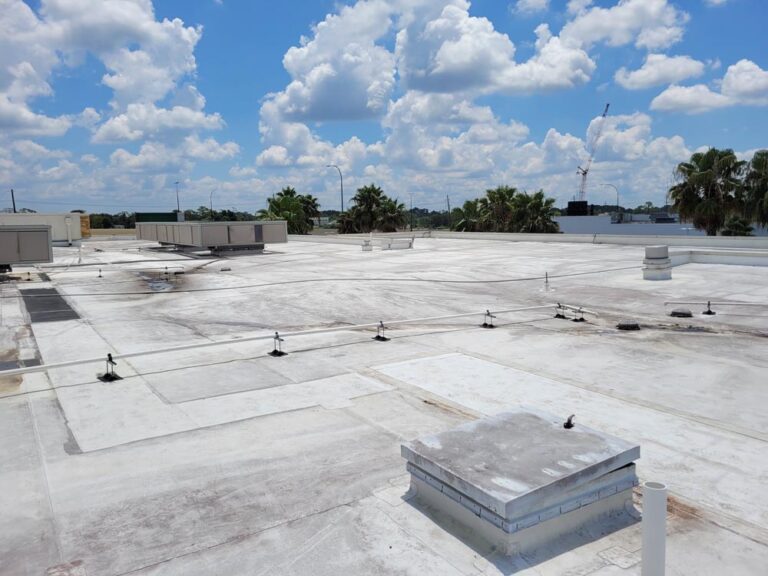
When evaluating the longevity of your industrial roof, visual inspection plays a crucial role. A roof with recoverable potential often displays certain positive visual indicators. First, look for the condition of the roof surfaces and seams. If the membrane is generally intact without extensive cracking, blistering, or severe drainage issues, it may still be viable. Minor surface imperfections or small areas of wear and tear can often be addressed through a coating system, extending the roof’s lifespan.
Another sign of a recoverable roof system is the absence of extensive ponding water. While occasional water pooling after rainfall is common, chronically wet areas may signify underlying issues. However, if ponding is minimal and the roof has otherwise maintained its shape and slope, recovery could still be an option with systems designed to enhance drainage.
Check for the state of the flashing and sealants around roof penetrations. These areas should be free of significant wear or missing sections, which suggests that the roof is holding up well against infiltration. Similarly, minimal corrosion on metal components or slight loosening of fasteners is manageable through maintenance or specific coating applications. By recognizing these visual indicators, building owners and facility managers can determine whether the roof system remains eligible for cost-effective restoration.
Testing Adhesion and Substrate Strength
When evaluating whether an industrial roof still has life left in it, testing adhesion and substrate strength is crucial. These factors determine the roof’s ability to continue providing reliable protection and support.
One method to assess adhesion involves performing a simple peel test. This test helps determine how well the existing roof coating is bonded to the substrate. A small section of the coating is marked and gently cut through, then carefully peeled back to observe the resistance. Strong resistance indicates a good bond which suggests the roof system is still performing well.
Substrate strength is another important aspect to verify. The integrity of the surface beneath the coating impacts the overall roof system’s performance. Inspecting for any signs of weakness, such as cracking, blistering, or soft spots, helps to gauge the substrate’s condition. Professionals often use core sampling, cutting a small section from different areas of the roof to analyze the substrate’s composition and condition. These samples provide valuable insights into the roof’s structural health and the remaining lifespan of the roofing system.
In Florida, where roofs endure intense UV exposure, humidity, and storm risks, understanding the state of adhesion and substrate strength is particularly vital. Regular testing for these factors ensures ongoing roof quality while mitigating downtime and maintaining operations effectively.
Evaluating Coating Compatibility
Evaluating coating compatibility is a crucial step in determining the remaining lifespan of your industrial roof. The type of coating your roof currently has and how it bonds with new or additional coatings can provide valuable insights into your roof’s health. For instance, a seamless bond between existing and new coatings indicates that the roofing surface has retained its integrity. Proper bonding ensures the roof continues to resist water infiltration, withstand harsh environmental conditions, and reduce energy costs.
When assessing compatibility, consider the material composition of your current roof and any potential new coating systems. Some common roof coatings include silicone, elastomeric, polyurethane foam, and aluminum. Each of these has unique properties that interact differently based on the existing roof materials. For instance, silicone coatings are often compatible with most roof types due to their adhesive and flexible nature, which aids in effective waterproofing and solar reflectance.
In Florida, where roofs face intense heat and UV exposure, choosing compatible coatings is even more vital. A mismatch could lead to blistering, peeling, or inadequate protection, shortening your roof’s lifespan and increasing maintenance needs. Seeking expert guidance on compatibility can prevent unexpected damages and extend the functional life of your industrial roof.
Frequently Asked Questions
FAQ1: How can you tell if a roof is structurally sound?
To determine if a roof is structurally sound, begin with a visual inspection. Look for common indicators such as sagging areas, visible damages like cracks, and signs of rust or decay. Inside the building, check for ceiling stains or mold growth. Additionally, professional assessments can provide a more thorough evaluation. These involve infrared moisture detection and load-bearing tests, conducted by experienced roofing contractors. Such assessments are crucial for uncovering hidden issues that might compromise the roof’s structural integrity.
FAQ2: Are leaks always a sign replacement is needed?
Not necessarily. While leaks are concerning, they don’t always mandate a full roof replacement. Small leaks might be fixed through targeted repairs and maintenance. Often, leaks can originate from areas of damaged flashing or failed sealants, which are repairable. However, if the leaks are widespread or have led to severe damage, a more extensive solution may be required. It’s wise to have a professional inspection to gauge the extent of the issue before deciding on replacement.
FAQ3: Can coatings restore aging materials safely?
Yes, roof coatings can safely restore aging materials in many cases. They offer a protective layer that enhances waterproofing and reflects UV rays, extending the roof’s lifespan. Coatings are particularly beneficial for roofs experiencing wear from Florida’s intense sun and heavy rains. By filling in minor cracks and sealing surfaces, coatings can preserve the underlying materials and delay the need for more significant interventions. However, the roof’s condition will determine if a coating is appropriate, underlining the importance of an initial assessment.
Recognizing Opportunity Before Replacement
Understanding the signs that indicate your industrial roof still has life left in it is vital for making informed maintenance and repair decisions. Visual inspections can reveal potential issues, such as surface integrity and minimal ponding water, which suggest your roof may be a good candidate for restoration. Additionally, testing for adhesion and substrate strength provides clarity on your roof’s ability to continue protecting your assets. Evaluating coating compatibility further ensures the roof’s ability to remain resilient against Florida’s intense environmental conditions. With careful attention to these factors, you can prolong the life of your roof, ensure operational efficiency, and make the most out of your investment.