Ensuring Commercial Roof Safety in Winter
Heavy snow, ice buildup, and freeze-thaw cycles all pose risks to roof safety — not only to the roof’s structure but also to employees, customers, and building operations.


Heavy snow, ice buildup, and freeze-thaw cycles all pose risks to roof safety — not only to the roof’s structure but also to employees, customers, and building operations.

Altogether, incentives can reduce the net cost of a roof coating project by 30–50% or more, depending on location, energy savings achieved, and program availability.

While it’s common to focus on the upfront dollar amount, it’s just as important to understand the categories of costs involved in a commercial roof coating project.
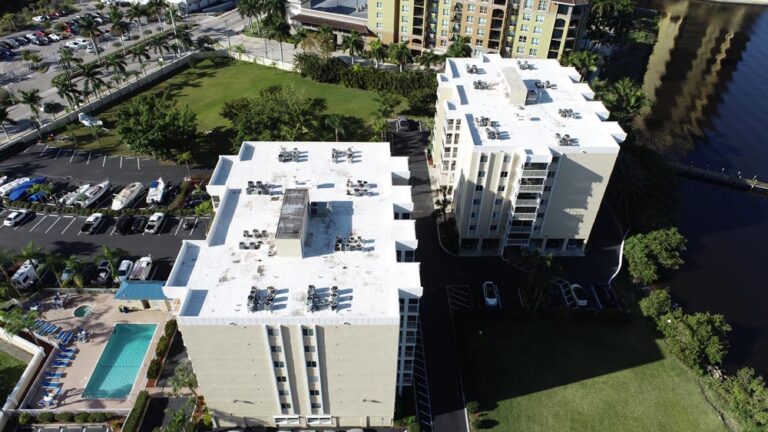
When not properly understood or implemented, roof coating warranties can leave buildings vulnerable and owners footing the bill.

Energy-efficient roofing systems are growing in popularity across the commercial sector, thanks in part to compelling financial incentives and long-term cost savings.

Given the hot, humid, and storm-prone climate, installing high-quality roof coatings on Southeastern roofs is a strategic investment.
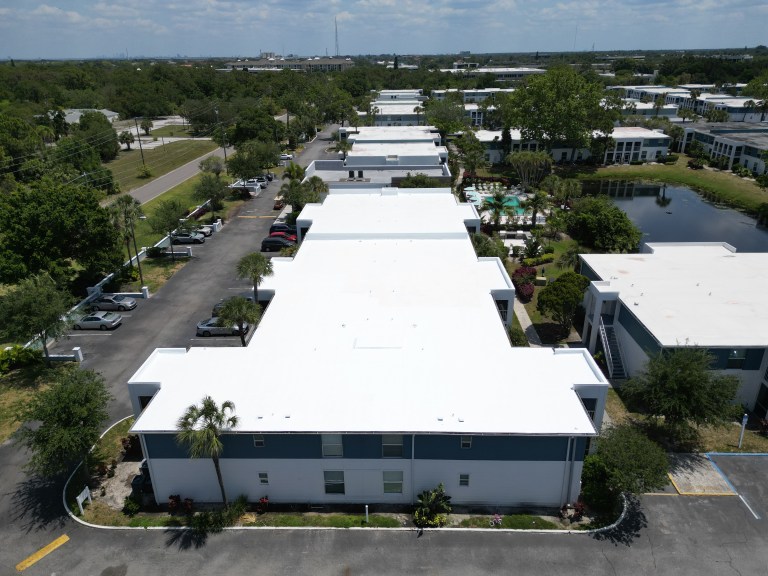
Global trends in energy-efficient commercial roofing are driven by a combination of innovation, regulation, and sustainability goals.
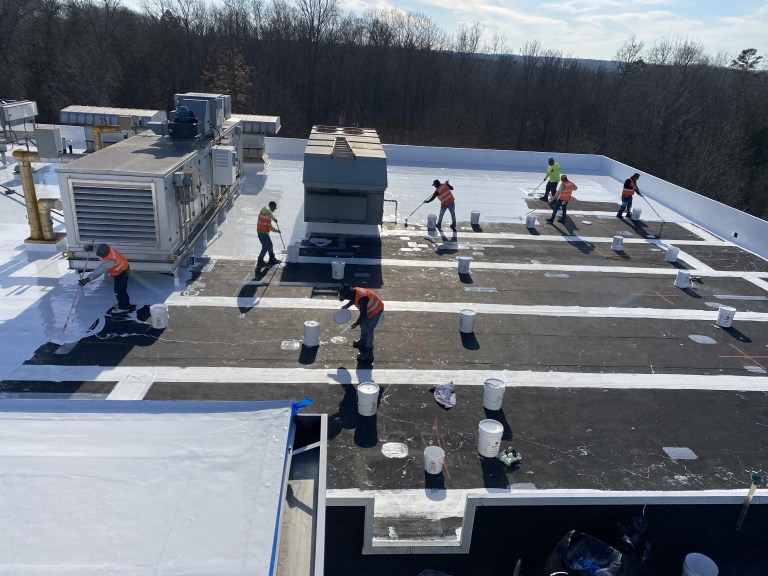
Integrating commercial roof coatings with other sustainable solutions creates a multiplier effect, optimizing operational energy efficiency.

While roof coatings may not have a high R-value in the traditional sense, they offer other forms of thermal protection that directly contribute to a building’s energy efficiency.
For commercial buildings, where large, flat roofs are common and cooling costs can skyrocket, the cost-benefit equation of roof coatings becomes especially favorable.