

Global Trends in Energy Efficient Commercial Roofing Systems
No longer seen as mere protective coverings, contemporary commercial roofs are now multifunctional assets—capable of reducing energy consumption, generating renewable power, managing stormwater, and improving overall building performance. From reflective membranes to solar-integrated and green roofing systems, the commercial roofing industry is undergoing a profound transformation. This shift in global trends is driven by technological innovation – as well as increasing demand for cost-effective and environmentally conscious building solutions.
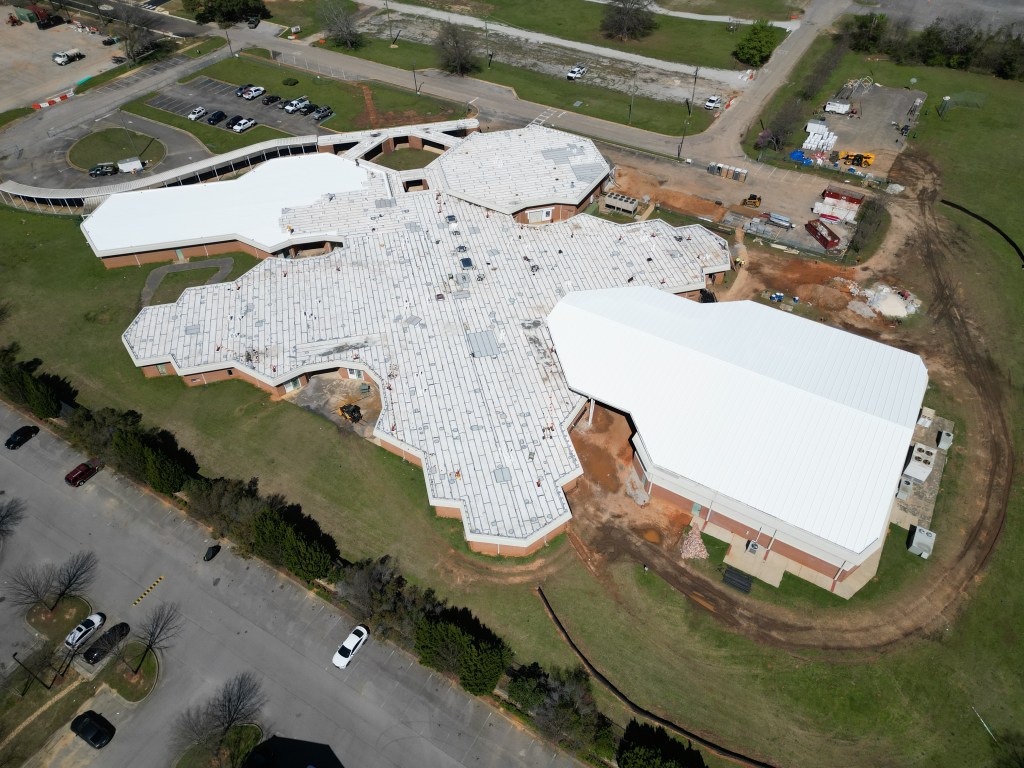
- Cool Roofing & Reflective Technologies: Cool roofing continues to gain ground as a cost‑effective way to reduce cooling loads. Reflective coatings and light-colored membranes—particularly white PVC and TPO—can reflect up to 80% of sunlight, reducing air-conditioning energy usage by up to 15% annually. In some commercial contexts, global trends show that these systems have cut indoor temperatures by as much as 30 °F (about 17 °C), contributing to significant energy savings.
- Green, Blue‑Green, and Living Roofs: Green roofs, featuring vegetation and soil layers, provide natural insulation and help regulate indoor temperatures. They can reduce cooling needs by 25‑80%, and energy losses in winter by ~26%, while mitigating urban heat islands by lowering surface temperatures by up to 30 °C. Combining vegetal layers with water management gives rise to blue-green roofs, which foster energy efficiency while managing stormwater—a promising innovation in urban environments.
- Solar Roofing & Building‑Integrated Photovoltaics (BIPV): Adoption of solar-integrated roofing systems is accelerating.
Approximately 70% of commercial roofing projects now include some form of renewable energy integration, largely solar. Building-integrated photovoltaics (BIPV), which replace traditional building materials with photovoltaic components, are emerging as a seamless, aesthetic solution that both shelters and generates electricity. Thin‑film solar technologies—lightweight and flexible—are advancing quickly, hinting at future large-scale application in roofing. - Smart, Tech‑Enabled Roofing Systems: IoT sensors, AI-powered drones, and smart roofing systems enable proactive maintenance and energy optimization. Sensors can monitor temperature, moisture, structural integrity, and other variables, while AI-driven tools help predict maintenance needs—preventing small issues from becoming major expenses. Emerging innovations include nanotechnology-infused cool coatings, which can cut indoor temperatures by 25–45 °F in extreme climates—demonstrating that material science remains a strong lever for efficiency gains.
- Advanced Materials: Self‑Healing Membranes & Lightweight Systems: Advances in synthetic membranes, notably TPO, PVC, EPDM, along with self-healing technology, are transforming roof durability and energy performance. Self-healing membranes—capable of repairing small punctures through thermoplastic action—comprise 35% of Europe’s flat roofing market, cutting maintenance costs by 40% compared to conventional asphalt systems. Lightweight membrane systems support sustainability by reducing structural load and transportation emissions.
- Durability, Resilience, & Climate‑Adaptation: As extreme weather becomes more frequent, roofing systems are being designed to be impact-resistant – especially in hurricane or hail-prone regions. For instance, Class 4 impact-resistant roofs are mandated in parts of Florida, boosting demand for metal and modified bitumen systems. Climate regulations are also influencing roof design. These include policy changes such as the EU’s requirement for solar-ready roofs on new commercial buildings by 2027, Germany’s funding for insulated green roofs, and U.S. tax incentives for cool roofing.
- Industry Growth & Market Dynamics: The commercial roofing sector is growing steadily, with the global market poised to reach $16.8 billion by 2026. 50% of new roofs now use sustainable or eco-friendly materials, and the use of reflective roofing materials has increased by 30% over five years. In addition, 70% of existing roofs employ roof coatings to prolong life and enhance efficiency. Solar-integrated roof projects are expected to double by 2030. (Source)
Unicoat Roofing is a Leader in Innovative Roofing Technology
Global trends in energy-efficient commercial roofing are driven by a combination of innovation, regulation, and sustainability goals.
- Cool and reflective roofs offer immediate HVAC cost reductions.
- Solar integration—especially through BIPV and thin-film tech—powers buildings while preserving design.
- Smart sensors, AI, and nanotech improve performance and longevity.
- Government mandates and incentives are accelerating the adoption of green technologies.
The industry continues to expand, with sustainable and energy-saving solutions now mainstream. These developments point to a more resilient, cost-effective, and environmentally conscious future for commercial roofing systems worldwide.
Unicoat Industrial Roofing is a national leader in professional roof coating services. To learn more about how coatings can help extend the life of your roof and protect your building for decades, call today.




One Comment
Comments are closed.