The Science Behind Polyurethane Roof Coatings
Polyurethane roof coatings are widely recognized for their durability, protective properties, and ability to enhance the longevity of roofing systems. These coatings are particularly effective in protecting commercial and industrial roofs from a variety of environmental factors such as UV radiation, water damage, extreme temperatures, and chemical exposure.

Properties of Polyurethane Coatings
Polyurethane roof coatings are specifically engineered to provide long-lasting protection to roofs, offering several key properties that make them ideal for roofing applications.
- Durability: Polyurethane roof coatings are known for their excellent mechanical properties. They are highly resistant to abrasion, which helps protect the underlying roofing materials from damage caused by foot traffic, weather, or debris.
- UV Resistance: These coatings are resistant to UV radiation, meaning they won’t degrade or break down when exposed to sunlight over time. UV degradation can cause roofs to become brittle and crack, but polyurethane coatings can extend the lifespan of roofing systems by protecting them from UV damage.
- Waterproofing: Polyurethane coatings provide excellent waterproofing properties. They form a seamless, flexible membrane that effectively prevents water infiltration, which is crucial for maintaining the structural integrity of the roof and preventing water damage.
- Thermal Insulation: Polyurethane coatings have good insulating properties, helping to reduce heat transfer and maintain a stable temperature inside buildings. This can contribute to improved energy efficiency by lowering heating and cooling costs.
- Chemical Resistance: Polyurethane roof coatings are resistant to a wide range of chemicals, including oils, solvents, and industrial pollutants. This makes them particularly useful for roofs in industrial environments where exposure to chemicals is common.
- Flexibility: Polyurethane coatings remain flexible even after curing, which allows them to expand and contract with temperature changes without cracking. This flexibility is crucial for roofs subjected to thermal cycling, where the roof materials expand and contract due to heat and cold.
Polyurethane Coatings: The Curing Process
- Moisture-curing: Some polyurethane roof coatings are moisture-cured, which means they react with the ambient moisture in the air to form a hard, solid film. This is a common curing method for single-component polyurethane coatings, where water vapor triggers the crosslinking of the polymer chains, leading to the formation of a tough protective layer.
- Heat-curing: Heat curing involves applying heat to the coating, which accelerates the chemical reaction between the polyols and isocyanates, causing the coating to cure more quickly. Heat is particularly effective when the coating is applied as a two-part system (where the polyol and isocyanate components are mixed before application).
- UV-curing: Some polyurethane coatings are designed to cure under ultraviolet (UV) light. This curing method is faster and is often used for coatings that require quick turnaround times. The UV light initiates a photochemical reaction that leads to the crosslinking of the polymer chains, forming a solid film.
Applications of Polyurethane Roof Coatings
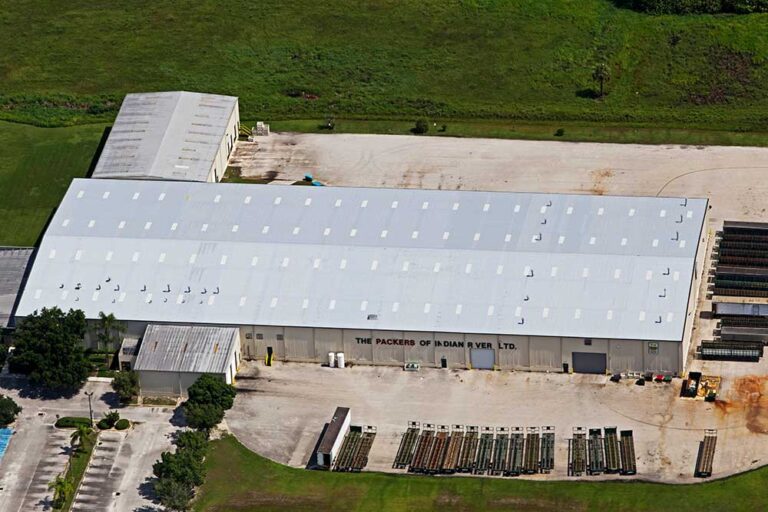
Polyurethane roof coatings are primarily used in commercial and industrial applications due to their high performance and durability. They are applied to a variety of roofing materials, including metal, asphalt, concrete, and single-ply membranes.
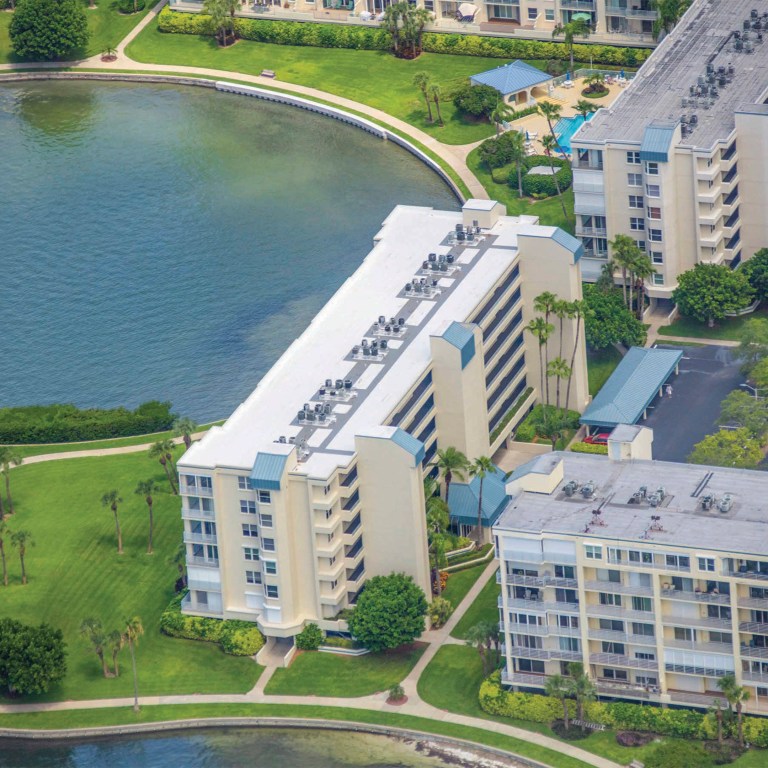
Flat roofs are particularly prone to water pooling and leaks. Polyurethane coatings provide an effective solution by forming a seamless, waterproof membrane that protects the roof from water damage. Polyurethane roof coatings are also utilized as part of roof repair systems. They can be applied over existing roofing materials to seal cracks, prevent leaks, and restore the roof’s protective qualities.
Some polyurethane roof coatings are formulated to be reflective, helping to reduce heat absorption and improve energy efficiency. These coatings can significantly reduce cooling costs by reflecting sunlight and lowering the roof surface temperature. In industrial or coastal settings, these coatings provide a tough, chemical-resistant barrier to roofing systems exposed to harsh chemicals, saltwater, or extreme weather.
Whether used in new construction or as part of a roof maintenance and repair strategy, polyurethane roof coatings are an essential technology in modern roofing systems. To learn more, call the experienced professionals at Unicoat Industrial Roofing.