Single Ply Commercial Roofing: An Overview
Single-ply commercial roofing systems are an excellent choice for building owners looking for a durable, energy-efficient, and cost-effective roofing solution. With types like TPO, EPDM, and PVC, businesses can choose a material that best suits their needs in terms of climate, budget, and performance. Proper installation and regular maintenance can ensure that a single-ply roof provides long-lasting protection and energy savings.
This article will explore what single-ply commercial roofing is, its types, benefits, installation process, and maintenance.
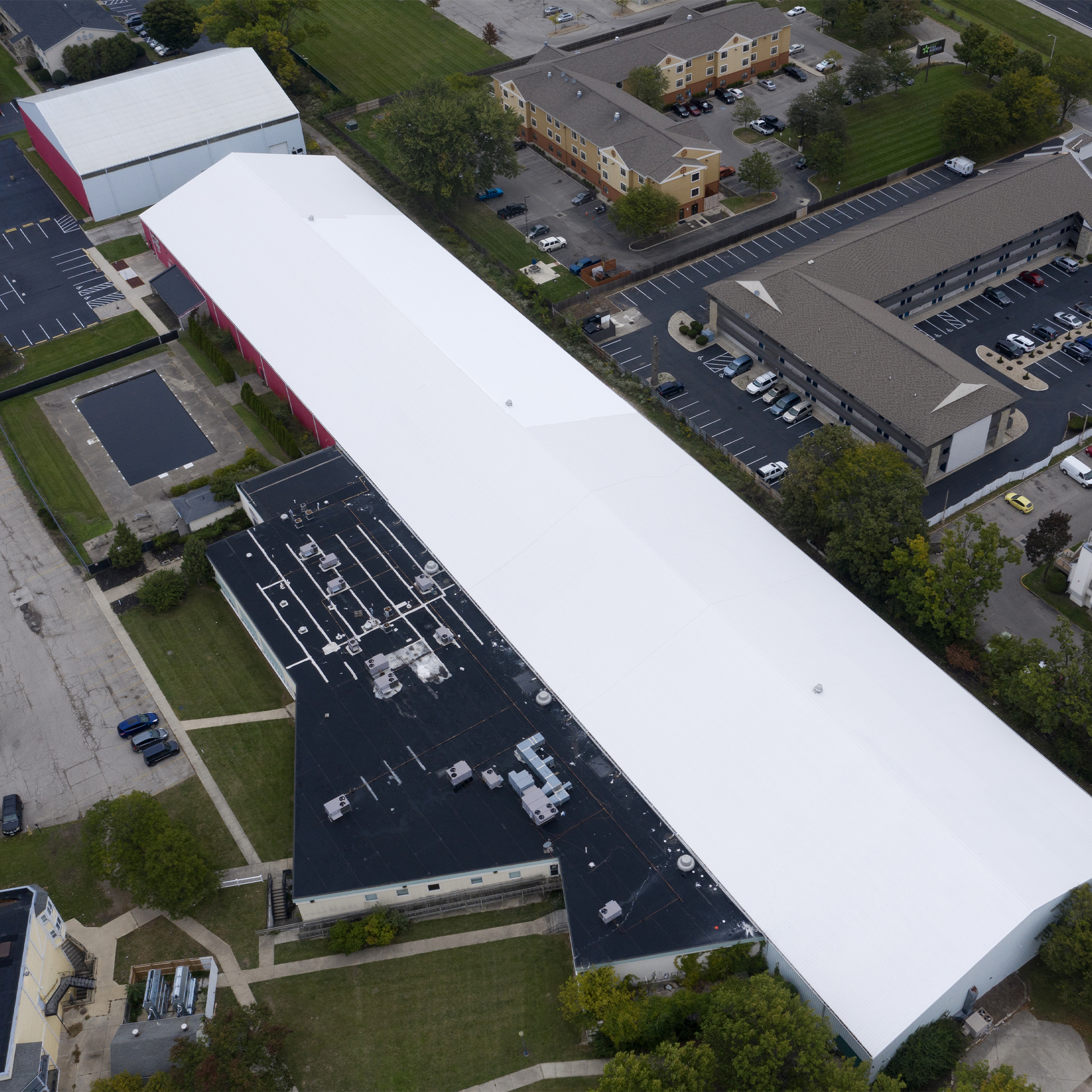
What is Single-Ply Commercial Roofing?
Single-ply roofing refers to a roofing system made of a single layer of synthetic membrane material. This material is designed to protect the roof structure from the elements, offering a waterproof seal and resistance against UV rays, weathering, and punctures. The single-ply membrane is typically applied to flat or low-slope roofs, which are common in commercial buildings like offices, warehouses, and factories.
Single-ply membranes come in large rolls that are easy to install and offer various performance benefits, including thermal insulation and energy efficiency. These roofs are lightweight compared to traditional multi-layer roofing systems and require fewer resources to install and maintain.
Types of Single-Ply Roofing
There are three main types of single-ply roofing membranes, each with unique characteristics and advantages. These include:
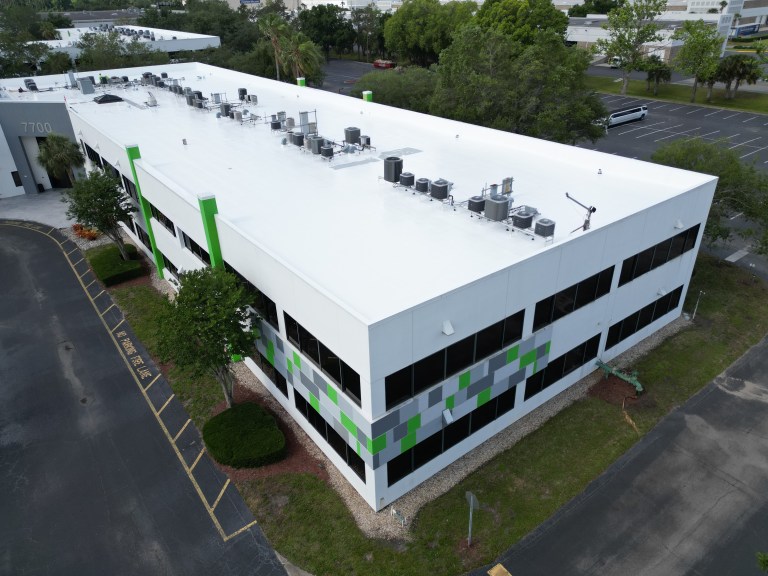
TPO (Thermoplastic Olefin): TPO is a highly popular single-ply roofing material that is known for its energy efficiency and heat-reflective properties. It is made from a blend of polypropylene and ethylene-propylene rubber, providing excellent resistance to UV radiation and ozone. TPO roofs are often white, reflecting sunlight and reducing energy costs by minimizing the building’s cooling needs.
EPDM (Ethylene Propylene Diene Monomer): EPDM is a rubber-based membrane that is well-regarded for its durability and longevity. It is typically black in color and is known for its ability to withstand extreme weather conditions, including high winds, hail, and heavy rain. EPDM roofs are highly resistant to UV radiation, ozone, and oxidation, making them ideal for areas with high sun exposure.
PVC (Polyvinyl Chloride): PVC roofing systems are made from a durable plastic material that is resistant to a wide range of chemicals, including oils, fats, and certain acids. PVC roofs are highly waterproof and resistant to fire, making them an excellent choice for commercial buildings that require high levels of safety and durability. These roofs are often white or light-colored to reflect heat and improve energy efficiency.
Benefits of Single-Ply Commercial Roofing
Single-ply roofing systems offer several benefits, making them a preferred choice for commercial properties. These advantages include the following factors.
Energy Efficiency: Many single-ply materials, especially TPO and PVC, reflect UV rays and reduce the amount of heat absorbed by the building. This leads to lower cooling costs, which can be a significant advantage for businesses in hot climates such as Florida and Texas.
Durability: Single-ply roofs are known for their long lifespan, with many systems lasting 20 to 30 years or more when properly maintained. The membranes are resistant to UV radiation, ozone, and other environmental stressors, contributing to their longevity.
Ease of Installation: Single-ply roofing systems are relatively lightweight and easy to install, which reduces labor costs and installation time. The installation process typically involves rolling out the membrane and securing it to the roof using mechanical fasteners, adhesives, or ballasting (stones or gravel).
Cost-Effectiveness: Single-ply roofing is generally more affordable than multi-layer systems, both in terms of installation and maintenance. The materials are less expensive, and the installation process is quicker, resulting in lower labor costs. Additionally, the durability of single-ply roofing reduces the need for frequent repairs or replacements.
Environmental Benefits: Some single-ply roofing materials, such as TPO and PVC, are recyclable, which contributes to reducing waste in landfills. Additionally, the energy-efficient properties of these roofs can help lower a building’s carbon footprint.
Maintenance of Single-Ply Roofing
Single-ply roofing requires minimal maintenance but should be inspected regularly for damage, wear, or debris buildup. Common maintenance tasks include:
Cleaning: Regularly clearing debris from the roof surface can prevent clogging of drainage systems and reduce the risk of water damage.
Seam Inspection: The seams and edges of the membrane should be checked for signs of wear or separation. Any damaged areas should be repaired promptly to prevent leaks.
UV Protection: Applying a reflective coating or UV-resistant treatment can extend the lifespan of the roof and improve energy efficiency.
Unicoat Industrial Roofing are the industry’s leading installers of innovative roof coatings. Roof coatings can reinforce commercial roofing systems – including single-ply roofs – and provide high quality solutions to extend the life of your roof.