Should You Install Plants on Your Commercial Roof?
We live in a world that is hyper-aware of sustainability issues. Property owners are always evolving to find ways to make their buildings more eco-friendly. One popular option to help the environment is installing plants and greenery on the roof—but can that installation damage your roofing system? While green roofs can offer many benefits, such as reducing heat island effects, improving air quality, boosting energy efficiency, and providing aesthetic enhancements, they also come with notable challenges.
Potential downsides must be thoroughly assessed, from structural concerns and maintenance requirements to cost considerations and regulatory compliance. Property owners should conduct a detailed feasibility study and consider consulting with experts in the field to make informed decisions. Balancing the benefits against the challenges listed below will help ensure the success of a green roof initiative.
Potential Downsides of Plants on the Roof
While a green roof has numerous benefits, it’s essential to consider the potential downsides associated with this project.
Structural Concerns: One of the primary considerations when installing plants on a commercial roof is the structural integrity of the building. Green roofs add significant weight due to soil, plants, and moisture retention. This extra load requires a thorough assessment by a structural engineer to ensure that the roof can safely support it. If the building was not designed for such weight, it could lead to structural failures, posing safety risks to occupants.
Water Drainage: Proper drainage is vital for maintaining a green roof. Without an effective drainage system, water can pool on the roof, leading to leaks or damage to the roofing materials. Excess water can also promote root rot in plants, which may lead to costly replacements. A well-designed drainage system is essential to manage water effectively, but installing these systems adds to the initial costs and complexity of the project.
Maintenance Requirements: Green roofs require ongoing maintenance to thrive. Regular tasks include watering, weeding, pruning, and seasonal plant care. This maintenance can be resource-intensive, requiring time, labor, and potentially additional financial investment. Depending on the complexity of the design and the plant selections, maintenance could become a burden for property managers, especially if they lack experience in horticulture.
Cost Considerations: The initial installation of a green roof can be significantly more expensive than traditional roofing options. Costs can include not only the plants and soil but also structural reinforcements, drainage systems, and irrigation setups. Over time, ongoing maintenance costs can add up, impacting the overall return on investment. Businesses must carefully weigh these costs against the anticipated benefits, such as energy savings or enhanced property value.
Pest Management Issues: Introducing plants to a rooftop can attract pests, including insects and rodents. While some plants may deter certain pests, others can become a haven for them. Effective pest management strategies need to be in place to prevent infestations, which may involve additional costs for treatments or preventative measures. Property owners should also consider the ecological impact of any pest control methods they choose to employ.
Access Challenges: Maintaining a green roof often requires specialized access equipment, particularly for high-rise buildings. This can complicate maintenance tasks, requiring additional planning and coordination. If maintenance personnel are not trained to work safely on roofs, this could pose safety risks, as well as increase labor costs.
Regulatory Compliance: Local regulations and building codes can also impact the installation of green roofs. Some municipalities may have specific guidelines regarding the types of plants used, irrigation systems, and structural requirements. Navigating these regulations can add complexity to the project and may result in delays or additional costs if not carefully managed.
Roof Coatings are a Sustainable Alternative
If you are a property manager looking to integrate more sustainable features into your building, roof coatings are an excellent choice.
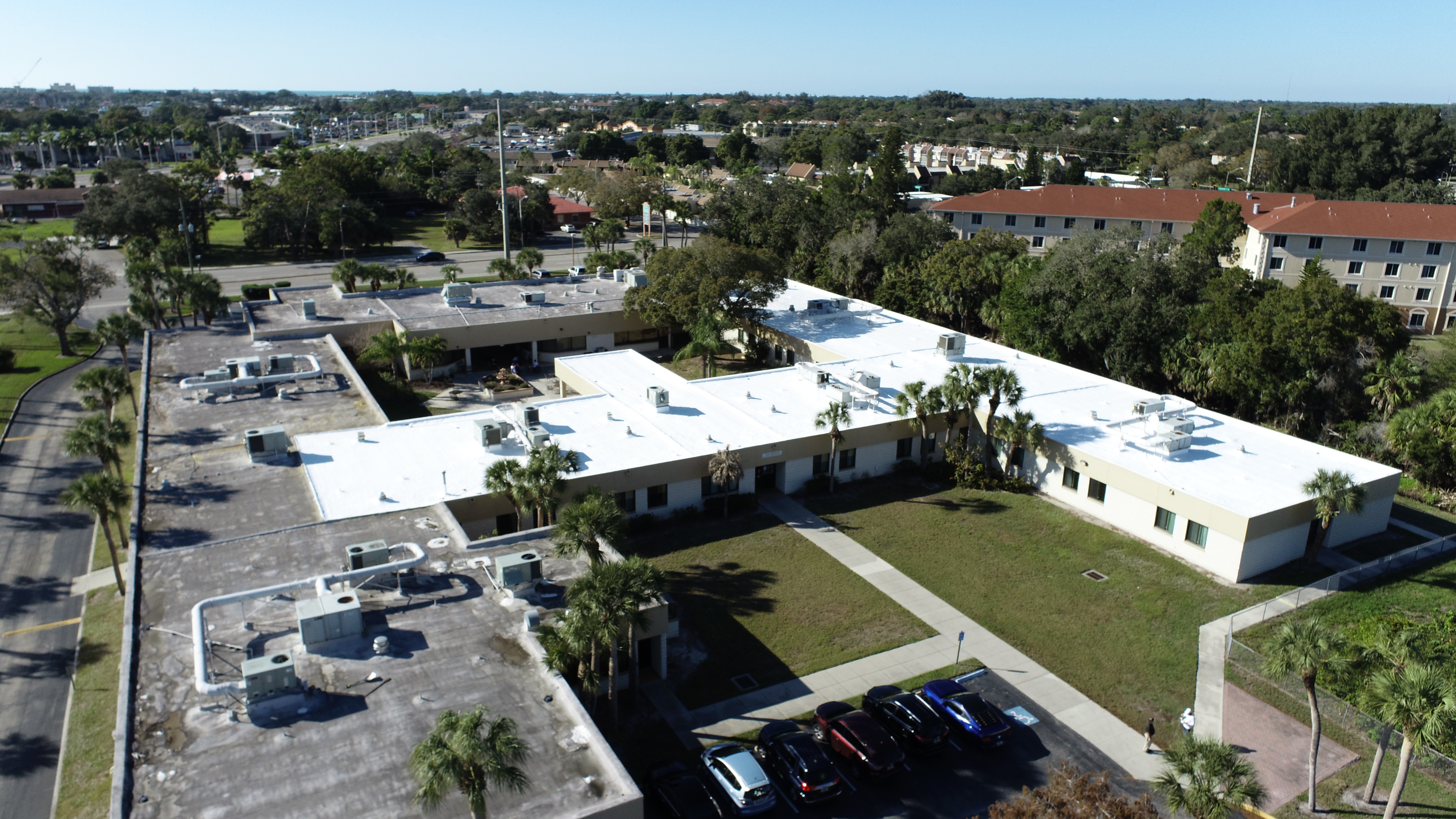
Roof coatings help to reduce ponding, reflect UV rays and increase energy efficiency – without the need for installing plants. If you are looking for eco-friendly ways to improve your aesthetics and efficiency, call Unicoat Industrial Roofing to learn more about the benefits of roof coatings.