Inspection Insights Every Property Owner Should Know
Is your roof ready to weather the storm? For property owners, inspecting and maintaining a roof isn’t just about aesthetics or prolonging its life—it’s a crucial component of safeguarding the entire building. While your roof quietly works to shield you from Florida’s intense heat, heavy rainfalls, and occasionally brutal hurricanes, it’s easy to overlook until problems arise. However, regularly scheduled inspections can be the difference between minor repairs and major replacements.
Understanding what to look for during an inspection empowers property owners to catch potential issues early, sparing significant time and expense down the line. In this article, we delve into the essential inspection insights that every property owner should know. From identifying signs of wear and tear to understanding the impact of UV exposure and ponding water, we cover the key considerations that help maintain not just the roof, but the entire property’s integrity. Equip yourself with the knowledge you need to ensure your roof remains a durable barrier against the elements.
Early Indicators of Membrane Fatigue
Membrane fatigue is a condition that signifies stress and wear on your commercial roof, potentially leading to serious issues if left unchecked. Recognizing the early indicators of this problem can help prevent costly repairs down the line.
One of the first signs of membrane fatigue is visible cracks or splits in the roofing material. These usually occur due to thermal expansion and contraction cycles that any roof experiences—with Florida’s fluctuating weather patterns exacerbating the issue. As the roof material expands under the hot sun and contracts with cooler evening temperatures, this constant movement can gradually lead to structural weakening.
Blistering is another common indicator of membrane fatigue. Blisters can form when moisture becomes trapped under the membrane layers, often as a result of inadequate installation or poor maintenance. Over time, these blisters can open and expose the underlying layers to further damage, including water penetration.
Ponding water is yet another red flag. If water remains on your roof for more than 48 hours after a rainstorm—or if you notice water pooling regularly—this can accelerate wear. Prolonged exposure to standing water can increase stress on the membrane, leading to fatigue and potentially hastening deterioration.
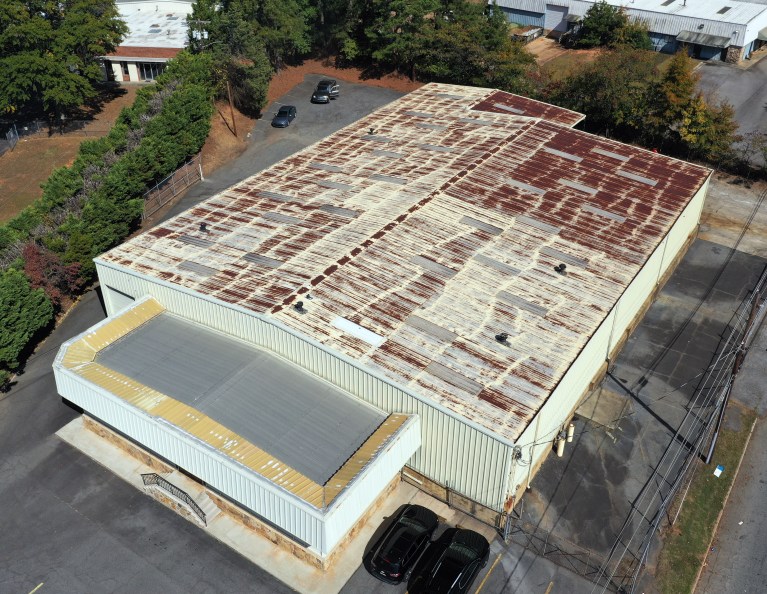
Lastly, keep an eye on any noticeable discoloration or fading in the membrane. Such changes may be indicative of UV damage, which can weaken the roofing material over time, particularly important given Florida’s strong sun. Regular inspections and maintenance are key to identifying these early signs and addressing membrane fatigue before it leads to more significant roofing issues.
Commonly Overlooked Drainage Problems
Effective drainage is crucial for maintaining the integrity of any building’s roof and preventing water-related damage. Yet, drainage issues are frequently overlooked during routine inspections, leading to longer-term problems that could have been easily addressed. One common issue is clogged drains, which can result from accumulated debris, leaves, or sediment. This blockage can cause ponding water, adding unnecessary weight to the roof and increasing the risk of leaks.
Another often-neglected aspect is the condition of downspouts and gutters. These components must be inspected for signs of rust, cracks, or disconnections. Without proper maintenance, faulty gutters can lead to water pooling near the foundation, posing a threat to the structural integrity of the property. Regular inspection ensures that water is properly channeled away from the building, averting potential flooding and erosion.
Improper roof slope is another factor contributing to drainage problems. Roofs with inadequate slope can fail to direct water to drains quickly, again leading to ponding. Regular assessments of the roof’s slope and structure can help identify potential areas for improvement.
Furthermore, vegetation growth on roofs can be a hidden contributor to drainage issues. Moss and algae not only trap moisture on the roof surface but can also impede drainage, compounding potential damage. Routine removal and cleaning can help manage this problem.
Addressing these commonly overlooked drainage problems proactively can significantly extend the lifespan of your roof and safeguard against costly repairs. Regular inspections and maintenance are key in preventing the subtle issues that can escalate into major concerns.
Documentation That Supports Future Decisions
Keeping thorough documentation of your roof’s history plays a crucial role in effective decision-making. For property owners, compiling a comprehensive record of your roof’s inspections, repairs, and maintenance helps establish a clear timeline of actions taken. This documentation not only provides insights into the condition of your current roofing system but also identifies recurring issues and patterns over time.
Accurate records ensure you have detailed information readily available when you need to discuss your roof’s condition with professionals. Whether evaluating repair needs or considering a complete roof replacement, having precise documentation can guide your discussions with contractors, allowing them to propose tailored solutions based on historical data. This evidential support can also aid in negotiating costs and understanding the implications of different options.
In the context of warranty claims, documentation proves invaluable. By maintaining a record of compliance with the warranty’s terms—such as periodic inspections and specific maintenance activities—you strengthen your position should a dispute arise. Additionally, consistent records of maintenance and repair work can influence insurance discussions, potentially impacting premium costs and claims processes.
Ultimately, your documentation serves to empower you, the property owner, to make informed decisions about future investments in your roofing system. With comprehensive historical insights, you can better anticipate the needs of your roof, budget accordingly, and ensure that every choice contributes to its long-term performance and durability.
FAQ1: What early signs of roof failure are most commonly missed?
One of the most commonly missed early signs of roof failure is subtle changes in roof surface texture, such as blistering or small cracks in the coating. These may appear insignificant but can lead to more serious issues if not addressed. Discoloration or staining, especially in areas prone to ponding water, is another indicator that might go unnoticed. Additionally, many property owners overlook small granules of coating accumulating in gutters, which suggests wear and potential breakdown of the roofing material.
FAQ2: Can interior building issues indicate roof problems?
Yes, interior building issues can often be a telltale sign of roof problems. Look for water stains on ceilings or walls, as these may indicate a leak. Unexplained dampness, musty odors, or the presence of mold also point to potential roof issues, as moisture could be seeping in from above. Even minor issues like sagging ceiling tiles or peeling paint should not be ignored, as they could signify that your roof is not functioning as it should.
FAQ3: Why is photographic documentation important?
Photographic documentation is crucial for both current assessment and future reference. Taking regular photos of your roof helps establish a visual record of its condition over time, making it easier to spot changes or damage that may occur. It’s particularly useful for tracking areas of concern, like known weak spots or prior repairs. In the event of an insurance claim due to storm damage or other incidents, photographic evidence is invaluable for proving the pre-existing state of your roof and the extent of damage incurred.
Seeing Your Roof Through a Professional Lens
A well-maintained roof is essential for safeguarding the integrity of any building, especially in Florida’s challenging climate. Regular inspections can help identify early signs of problems like membrane fatigue, drainage issues, and the effects of UV exposure, which are often overlooked but have the potential to escalate into serious concerns. By understanding these key inspection insights, property owners can address issues proactively, extending the roof’s lifespan and ensuring it remains a reliable barrier against the elements. Comprehensive documentation of your roof’s history further supports informed decision-making, providing valuable insights for maintenance planning, warranty claims, and interactions with contractors. In the end, a proactive approach in roof management not only protects your property but also facilitates more strategic long-term investments.