Elastomeric Roof Coatings: What to Know
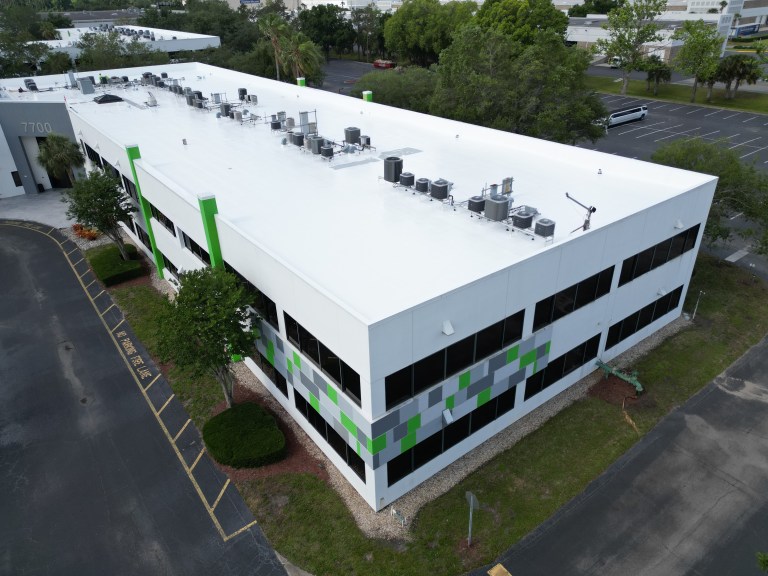
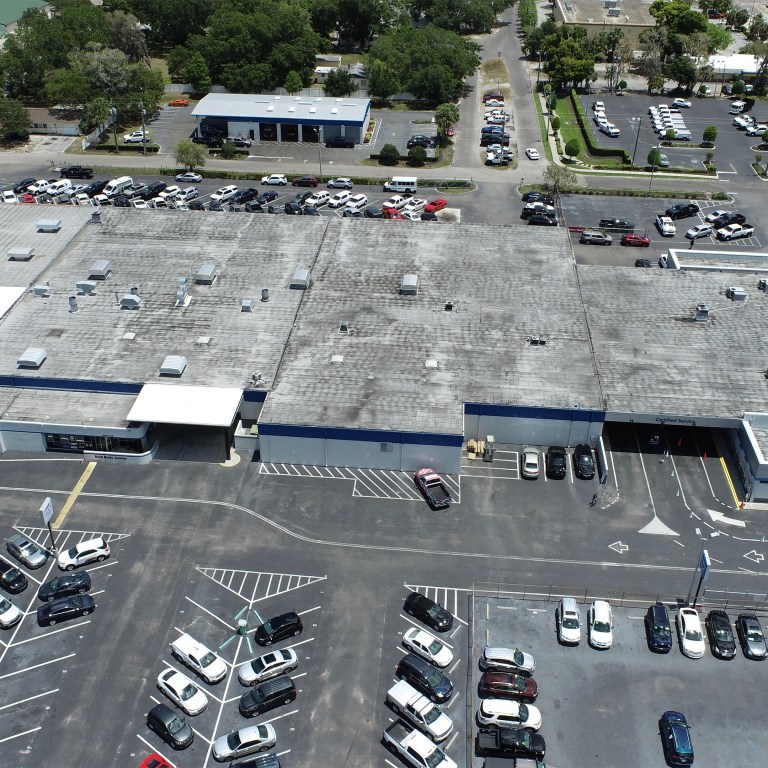
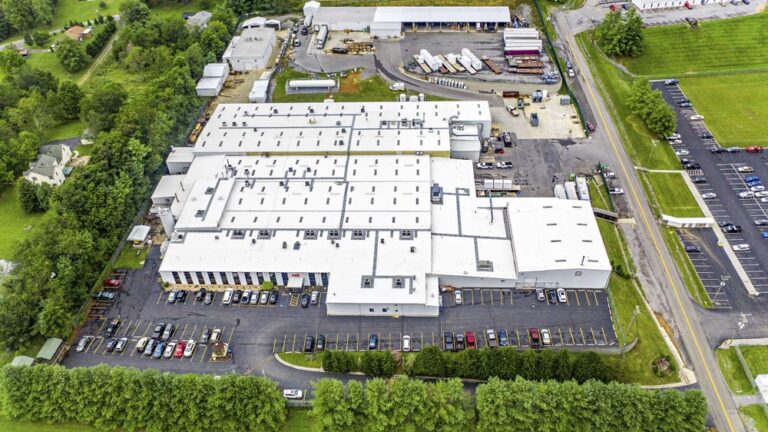
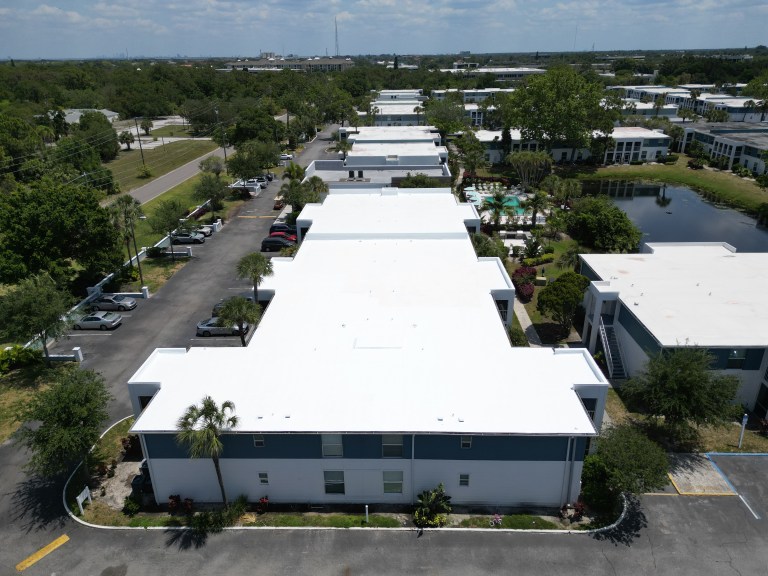
If you are responsible for managing a commercial building such as a condominium, warehouse, or airport terminal, you’ll need to maintain the roof’s integrity. The roof structure is vulnerable to all types of abuse, whether from severe weather, blazing sunshine, or heavy equipment. Because the roof is an integral (and potentially costly) line item on the budget, it is important to understand your options. Elastomeric roof coatings are an excellent method of protecting your commercial roof and may even extend the life of the roof by 20 years or more.

Common types of elastomeric coatings include silicone, asphalt, polyurethane, and acrylic. Similar to paint, they are typically applied by a roller or spray, but these highly effective coatings should not be mistaken for mere paint. They have many more protective qualities.
Elastomeric coatings are:
- Uniquely designed to protect the roof system from severe weather and the damaging effects of excessive water, high winds, and UV rays.
- Designed to insulate the roof in severe weather and maintain an appropriate building temperature.
- Made from high-quality resin to ensure elasticity, making them exceptionally effective for sealing small cracks and seams on the roof.
Elastomeric roof coatings are considered sustainable and eco-friendly and can be used on a wide range of roofing materials, but preparatory work is required.
- The roof must be cleaned before applying an elastomeric coating
- The roof should be assessed for any existing damage.
- If the roof’s surface is concrete, masonry, gypsum, block, brick, or metal, it should be primed.
Types of Elastomeric Roof Coatings
Silicone Roof Coatings are completely waterproof and minimize UV damage to roofing materials. Silicone offers a rapid cure time, making it a popular solution for those looking for protection before a major event (such as a developing hurricane) or rainy season. Silicone is long-lasting and doesn’t need significant maintenance. It is appropriate for application on many surfaces, including polyurethane foam, EPDM, TPO, concrete, metal, asphalt built-up roofs, and granulated modified bitumen roofs.
Silicone coatings may be the optimal choice if:
- There is a dual-roofing system installed
- The roof is prone to collecting and holding water
- The roof is complex, making the installation of conventional membrane roofing problematic
Acrylic Roof Coatings are incredibly long-lasting and durable, providing a high level of UV stability. Because they are so flexible, they are considered an excellent option for environments with low temperatures. Acrylic roof coatings can be used on modified bitumen roofs, smooth asphalt BUR roofs, EPDM, TPO and PVC roofing systems.
Acrylic coatings are an excellent choice if:
- There is a limited budget
- The roof is not prone to ponding
- you have a metal roof with minimal rust
Styrene Ethylbutlyene Styrene (SEBS) is specifically developed on metal roofs. It offers a highly reflective surface that protects from UV rays and maintains a comfortable building temperature. SEBS integrates antioxidants and light stabilizers to guarantee longevity, making them ideal for southern roofs. These coatings are waterproof, can withstand building movement, and offer high tensile strength for high-traffic roofs. Because the coating material resists corrosion, it is ideal for rusty metal roofs.
Professional Provider of Roof Coatings
Elastomeric roof coatings offer building owners a versatile solution that is more affordable and less disruptive than a complete roof replacement.
If your roof needs repair or replacement, call the professionals at Unicoat Industrial Roofing first. We will assess your roof’s condition and provide recommendations on your best course of action. You may be surprised at how long-lasting, easy, and budget-friendly roof coatings can be.
Unicoat has installed over 4 million gallons of roof coatings – making us a respected industry leader and a contractor you can trust with your roofing project.