Can Birds Damage Your Commercial Roofing System?
If you spend any time on a commercial roof, you’ve no doubt noticed that a few local birds and critters have taken up residence. Is this a situation that needs to be addressed? Birds and small critters can indeed pose significant risks to commercial roof systems, leading to costly repairs and maintenance. Understanding how these animals interact with roofing materials is essential for property managers and business owners looking to protect their investments.
Types of Roofing Damage Caused by Birds and Animals
Nesting: Birds, particularly pigeons, seagulls, and sparrows, often seek out flat or sloped roofs to build their nests. The materials they use, such as twigs and leaves, can block drainage systems, leading to water pooling. This accumulation can result in leaks and structural damage over time. Additionally, nests can trap moisture, promoting mold growth and deterioration of roofing materials.
Droppings: Bird droppings are highly corrosive and can damage roofing membranes, particularly those made of PVC or TPO. Over time, exposure to these droppings can lead to degradation, punctures, and leaks. The acid in the droppings can also affect metal flashing and other components, increasing maintenance costs
and shortening the lifespan of the roof.
Chewing and Gnawing: Small critters, including rodents like squirrels and raccoons, can cause significant damage by chewing through insulation, wiring, and even roofing materials. This behavior not only compromises the integrity of the roof but can also lead to electrical hazards and additional pest infestations, creating a cycle of problems.
Secondary Issues to Consider
Water Intrusion: The combination of nests and debris can obstruct drainage systems, leading to water pooling. This can result in leaks and further damage to the roof deck and interior spaces, leading to mold and mildew problems, which can affect air quality and require costly remediation.
Pest Attraction: The presence of birds and small animals can attract larger predators or scavengers, leading to further infestations. For instance, if rodents are living in a roof space, they may attract snakes or other animals that could damage roofing materials in pursuit of their prey.
Aesthetic and Resale Value: A roof compromised by animal activity can lead to unsightly stains and deterioration, negatively impacting the building’s appearance and potentially its market value. This aesthetic damage can deter potential tenants or buyers.
Birds and Critters: Prevention and Control Measures
Regular Inspections: Routine inspections can identify signs of animal activity before they escalate into serious issues. Property managers should look for droppings, nests, and other signs of habitation.
Physical Barriers: Installing bird spikes, netting, or screens can deter birds from nesting on rooftops. For critters, using secure coverings for vents and other entry points can prevent access.
Cleaning and Maintenance: Regularly cleaning rooftops and drainage systems can help prevent nesting materials from accumulating. Removing food sources, like garbage or open containers, can also deter animals from settling.
Professional Remediation: In cases of severe infestation, it may be necessary to engage wildlife control professionals. They can safely remove animals and help implement long-term solutions to prevent future problems.
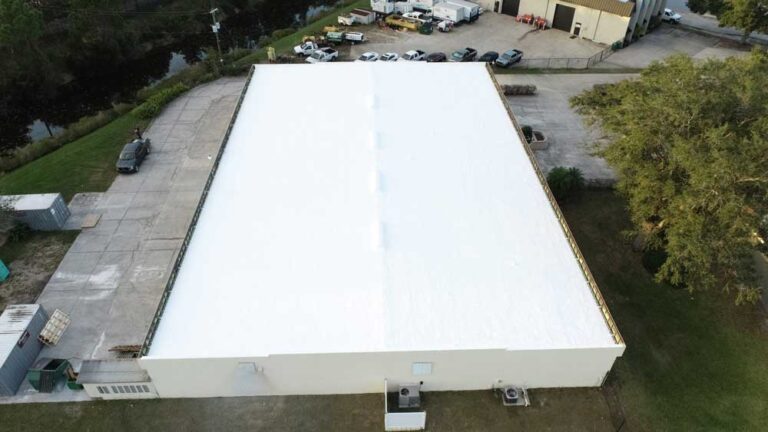
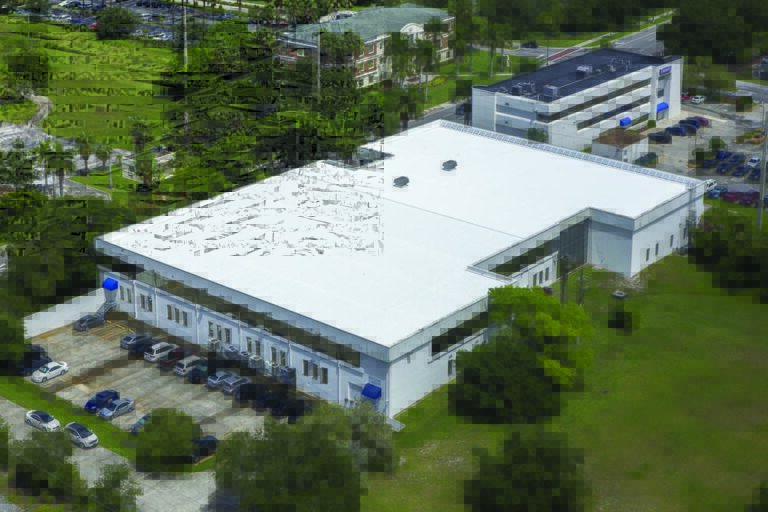
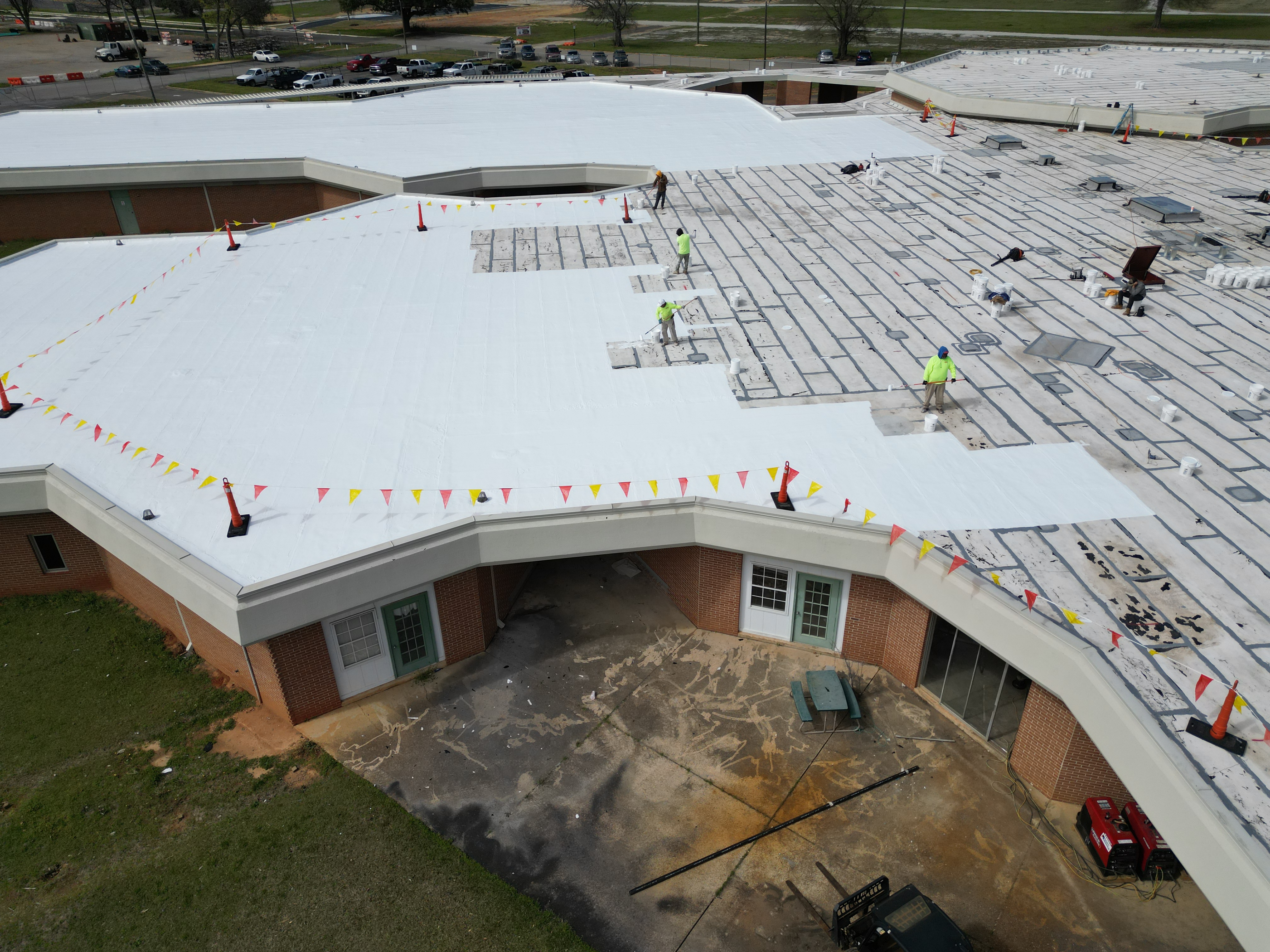
If your roof has suffered minor damage from birds or animals, roof coatings may be an excellent solution. After cleaning and disinfecting, roof coatings can fill depressions and repair small cracks and tears. Roof coatings also present a clean aesthetic that will appear more attractive to employees, tenants or investors.
Property owners should be proactive in implementing preventative measures and addressing any signs of animal activity promptly. By investing in regular maintenance and inspections, they can protect their roofs, maintain structural integrity, and ultimately save on costly repairs.
Call Unicoat Industrial Roofing today to repair your roof before winter.