
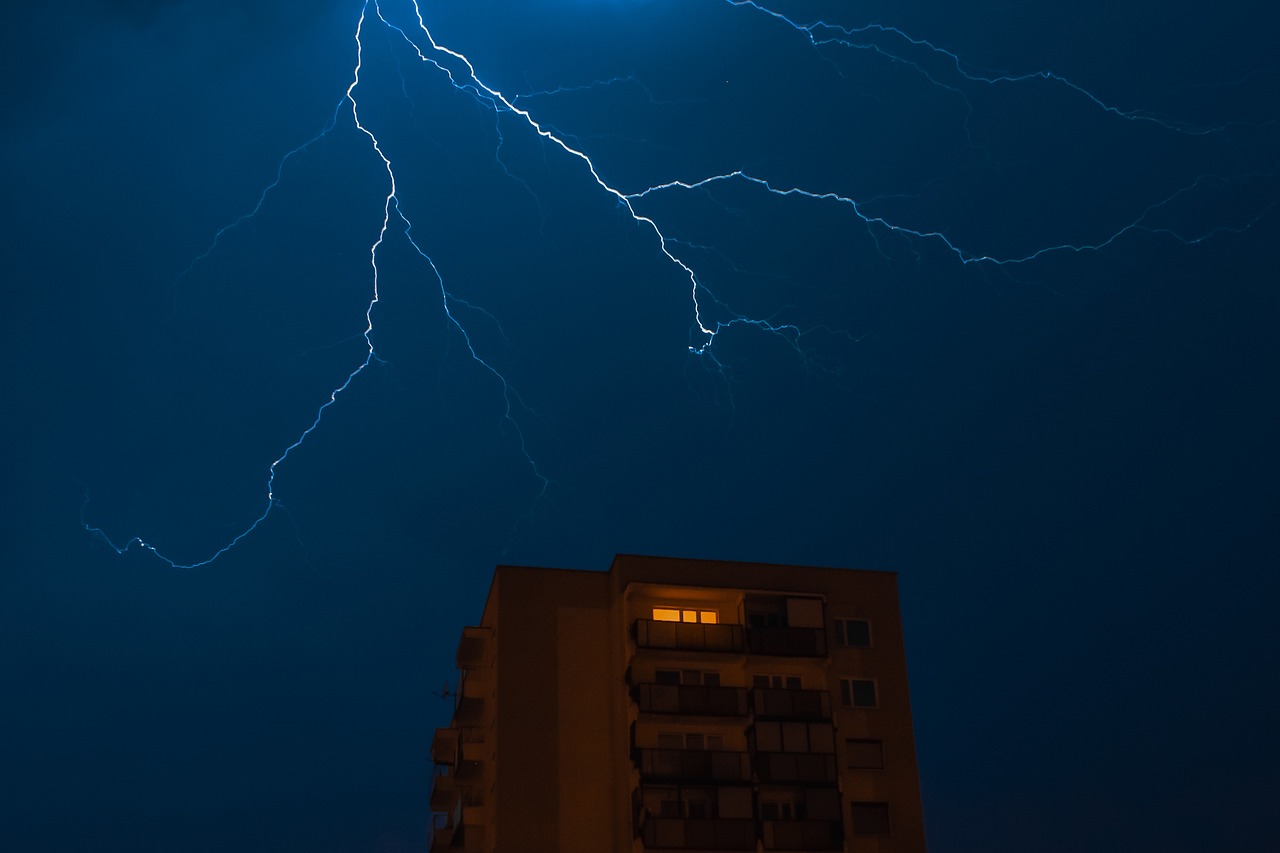
Storm Recovery for your Commercial Roof
The recent torrential rainfall in Florida reminded everyone that a storm does not have to be named a hurricane to cause significant damage. With hurricane season upon us, much of the country can expect to experience remnants of major storms, if not catch the brunt of the storm itself. Commercial roof storm damage can be caused by various factors, including wind, rain, and flying debris. Storm damage may lead to downtime, lost productivity, expensive repairs, and even interior damage – making rapid roof recovery essential.

Roof Protection Designed to Endure Storms
Each region of the country has its own brand of storm to prepare for—whether hurricane, hailstorm, or tornado, businesses must proactively take steps to ensure the integrity of their roofing structure. Strong winds can get under and lift loose roof membranes, hail or flying debris can puncture membranes, and torrential rain is likely to find its way into even the smallest of gaps, cracks, and breaches.
Proactive measures may include:
- Utilizing robust, durable roofing materials with the highest wind rating
- Installing an efficient roof drainage system to prevent ponding water
- Routinely conducting visual inspections for any signs of damage
- Employing roofing tarps to prevent further damage until a repair can take place
Expert Tip: Having a maintenance agreement with a reputable roofing contractor allows you to repair any minor damage that may occur quickly. Even small gaps or breaches can become catastrophic over time, especially if a major storm hits.
Typical Types of Storm Damage
Commercial roof storm damage can occur in a variety of ways, including:
Water leaks: Heavy rains can lead to leaks and water infiltration if the roof is damaged. This can cause interior damage to walls, ceilings, and inventory. Over time, unaddressed moisture can lead to mold and mildew growth, causing health risks.
Structural and electrical damage: Once wind and water infiltrate, many types of structural damage can occur. What was a minor problem yesterday could be a costly fix after a storm – even up to having to replace the roof or the building’s major systems, such as its electrical network.
When a building has incurred storm damage, repair or replacement can be significantly more costly. You may also experience higher insurance premiums after significant repairs, as insurers may view the building to be at higher risk.
Roof Recovery After a Storm
Following a major regional storm, demand is high for roofing contractors. It is highly recommended that you secure a relationship and maintenance contract with a roofing contractor before you have an issue. This will ensure that you get the help you need when everyone is clamoring for attention.
Immediately following a storm (but once it is safe to do so), document the condition of the roof and any damage with photos or videos. Once done, all debris should be removed from the roof, and the roof surfaces should be re-examined for damage. Be sure to document anything that you find under the debris once it is removed.
- Damaged roofing materials, especially the membrane, will need repair
- Cracks or leaks will need to be resealed
- Damaged flashing or vents will need to be replaced
- Damaged gutters or downspouts will need to be reinstalled.
While you may be able to fix minor damage yourself, it is always best to have a professional contractor evaluate and assess the condition of your roof. They can spot and address issues you may not even notice and ensure that the repair is professionally done – and, if applicable, warranted.
Understanding Insurance Claims and Roof Recovery
Insurance typically plays a significant part in paying for the expenses associated with a repair or replacement necessitated by a storm. Before a storm ever hits, however, it is vital that you understand what your insurance covers (and what it does not) as well as any deductibles and limits.
As soon as it is safe to do so, document all the damage you can see. A professional roofing contractor can provide a comprehensive report with photos to your insurance company.
Understand Your Repair Options
After a significant storm, property owners are often desperate to have their structures repaired or replaced as soon as possible. Sadly, this opens the door to bad actors who often perpetrate fraud upon vulnerable property owners.
Establishing a maintenance contract with a reputable roofing contractor before problems arise can significantly ease your mind after a storm. At Unicoat Industrial Roofing, we guarantee that you will receive an honest and professional evaluation and the recommendations you need to make the best decision for your building.
Storms are inevitable – but catastrophic consequences don’t need to be. Call Unicoat today to learn more about protecting your roof with innovative and affordable roof coatings.


