Types of Roof Coating for Commercial Buildings
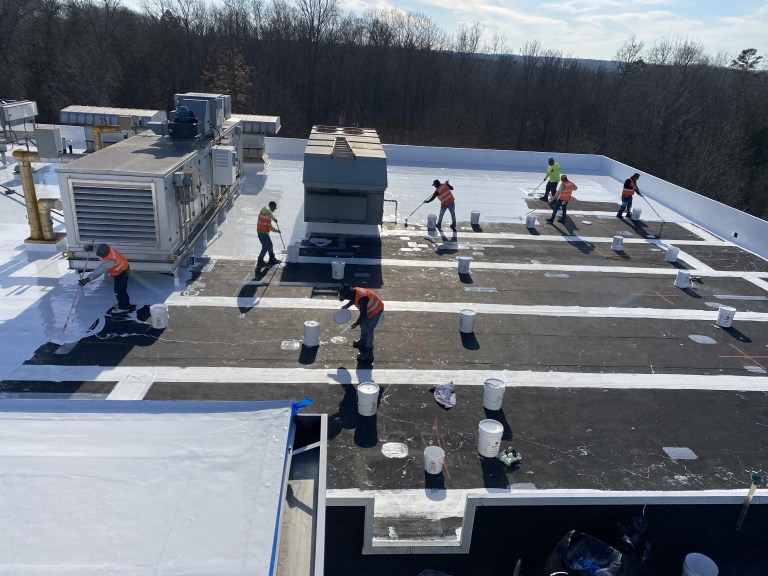
Roof coatings are a popular solution for extending the life of commercial roofs. They improve energy efficiency and reduce maintenance costs for property owners who are looking for alternatives to roof replacement. Many building owners choose coatings to restore performance and add protection. However, not every roof coating is the same. Each type is designed for specific roof materials, climates, and performance needs. Understanding the main types of commercial roof coatings can help you choose the right option for your building.

Acrylic Roof Coatings: Acrylic coatings are among the most commonly used options for commercial buildings. They are water-based, easy to apply, and known for their strong reflective properties. Key benefits include:
- Excellent UV resistance
- Reduces cooling costs by reflecting sunlight
- Affordable compared to many alternatives
- Easy maintenance and re-coating
Acrylic coatings perform best on metal roofs, single-ply membranes, and modified bitumen roofs in moderate rainfall climates. Because they are water-based, they are less ideal for roofs with frequent ponding water.
Silicone Roof Coatings: These coatings are highly moisture-resistant and are often chosen for roofs with drainage issues. They cure into a durable, rubber-like membrane that resists weathering and UV exposure. Key benefits include:
- Excellent resistance to ponding water
- Strong UV stability with minimal degradation
- Long-lasting performance
- Flexible and weather-resistant
Silicone coating is best for flat or low-slope roofs that experience standing water – including spray foam, single-ply, and modified bitumen systems. Silicone is especially popular in hot, sunny, or rainy climates.
Polyurethane Roof Coatings: Polyurethane coatings are solvent-based and known for their toughness and durability. They come in two main types: aromatic (base coat) and aliphatic (top coat). Key benefits include:
- High resistance to foot traffic and mechanical damage
- Strong adhesion to various roof surfaces
- Excellent impact and abrasion resistance
This solution is best used for commercial roofs with frequent foot traffic, such as those with HVAC units or walkways. Polyurethane coatings are often used on metal roofs, concrete decks, and modified bitumen systems.
Elastomeric Roof Coatings: Elastomeric coatings are flexible coatings that expand and contract with temperature changes. While “elastomeric” is a category rather than a single material, many acrylic, silicone, and polyurethane coatings fall into this group. Key benefits include:
- Flexibility that reduces cracking
- Seam and joint protection
- Improves waterproofing
Elastomeric roof coating is most appropriate for buildings exposed to wide temperature swings. Elastomeric coatings are suitable for a variety of commercial roofing systems when flexibility is a priority.
Asphalt Roof Coatings: Asphalt-based coatings are made from emulsified asphalt combined with reinforcing fibers or reflective additives. They are typically darker unless a reflective topcoat is added. Key benefits include:
- Cost-effectiveness
- Strong waterproofing properties
- Compatible with many existing asphalt roofs
Asphalt roof coating is ideal for built-up roofing (BUR) and modified bitumen systems. While asphalt coatings are durable, they are less reflective than other options unless paired with a reflective surface layer.
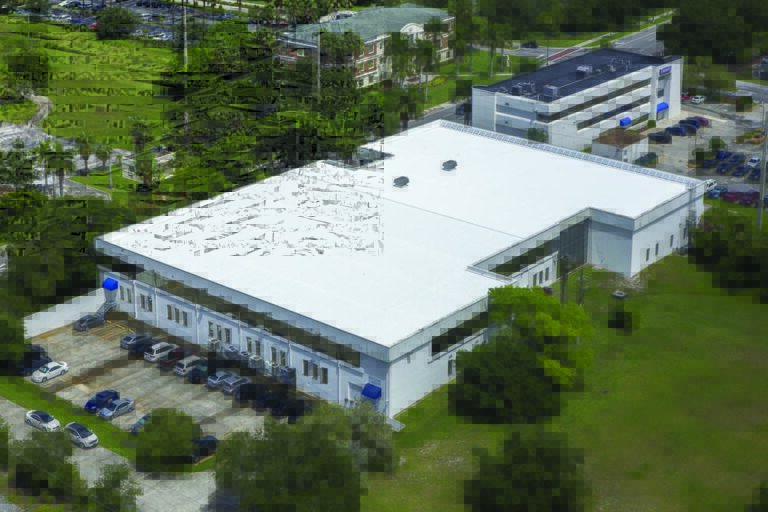
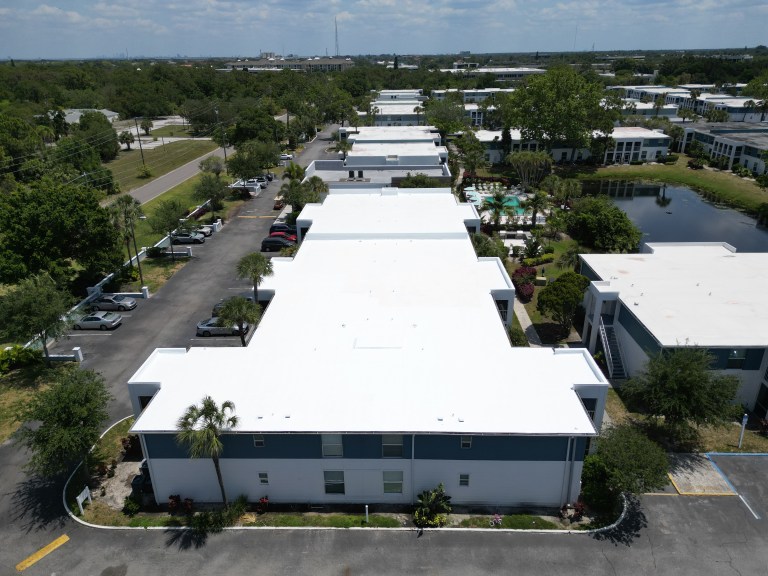
Reflective (Cool Roof) Coatings: Reflective roof coatings are designed specifically to reduce heat absorption. They are often white or light-colored and can be made from acrylic, silicone, or elastomeric materials. Key benefits include:
- Lower roof surface temperatures
- Reduced cooling costs
- Improved indoor comfort
- May help buildings meet energy-efficiency standards
Commercial buildings in warm or sunny climates where energy efficiency and temperature control are priorities may benefit from reflect roof coating options.
Choosing the Right Roof Coating
Selecting the best roof coating for your property depends on several factors, including existing roof material, roof condition and age, climate and weather exposure, drainage and ponding water issues, and budget and long-term goals. A professional roof inspection is essential to determine which coating system will provide the best performance and return on investment.
Call Unicoat for More Information
Roof coatings offer a cost-effective way to protect and extend the life of commercial roofs, but choosing the right type is critical – each serves a different purpose in specific environments. By working with an experienced commercial roofing professional, building owners can make informed decisions to protect their roofing system’s integrity.
With decades of roof coating experience – and 4 million gallons of coatings installed – Unicoat Industrial Roofing is the only call you need to make.