Can a Residential Roofer Fix my Commercial Roof?
Commercial roofers and residential roofers are distinct in several ways, including the types of projects they handle, the materials they use, their training and certifications, and their approaches to safety and regulations. Each type of roofer is a professional, but they have different skills and protocols that they use on a daily basis. We won’t keep you in suspense – if you have a commercial roof, you’ll want to hire a qualified commercial roofer to manage its upkeep and repair. That said, this article will discuss the differences in detail.
Project Types: Residential roofers primarily focus on homes and small buildings. Their projects typically involve pitched roofs designed to shed water and snow efficiently. These roofs are often made of materials like asphalt shingles, tile, or wood. Residential roofing projects usually require a more personalized approach, as homeowners often have specific aesthetic preferences and requirements.
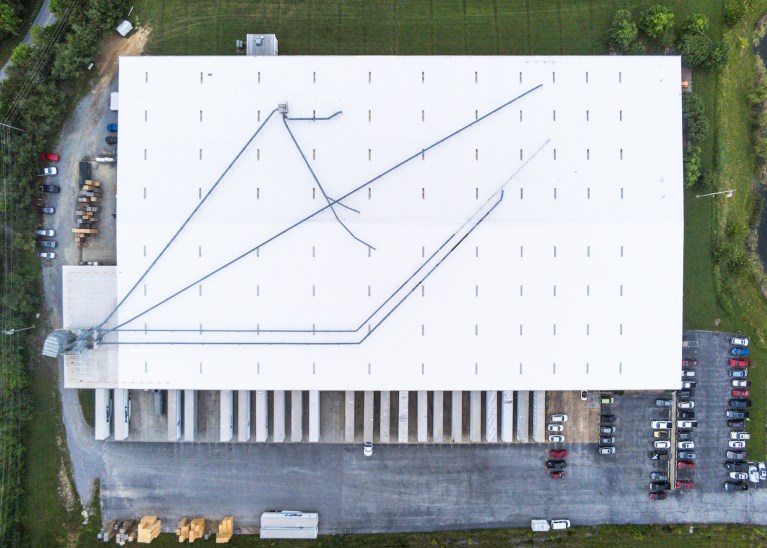
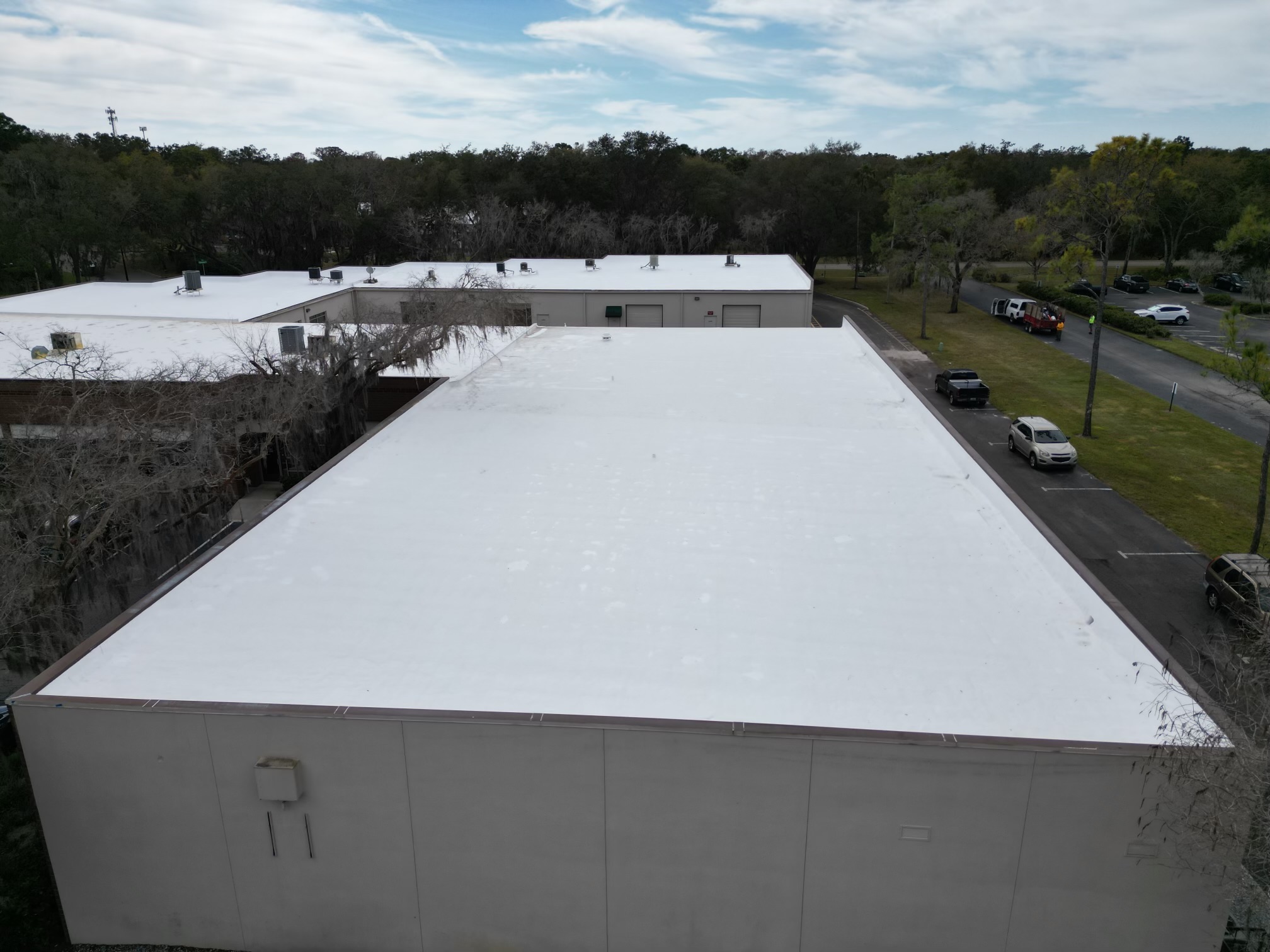
Commercial roofers, on the other hand, work on larger buildings such as warehouses, schools, apartments or office complexes. These roofs are generally flat or low-slope and are designed to support heavier equipment and the weight of HVAC systems. Commercial roofing materials include single-ply membranes (like TPO, EPDM, and PVC), built-up roofing, and modified bitumen, all chosen for their durability and efficiency in handling water drainage.
Materials and Techniques: The materials used in commercial roofing are often more specialized than those used in residential roofing. For example, single-ply roofing systems are common in commercial applications because they are lightweight, durable, and provide excellent waterproofing. These materials also require specific installation techniques and maintenance practices, which differ from those used in residential roofing.
In contrast, residential roofers may focus on aesthetics and functionality, offering a variety of shingles and tiles that can enhance the home’s curb appeal. They might also be more involved in the architectural elements of the roof, like dormers and chimneys, which are less common in commercial roofing.
Training and Certifications: Both commercial and residential roofers need specialized training, but the specifics can vary. Residential roofers typically undergo training programs emphasizing traditional roofing techniques, local building codes, and customer service. Certifications might focus on specific materials like CertainTeed or GAF roofing systems.
Commercial roofers, however, often require more extensive training due to the complexity of the materials and systems they work with. They may need certifications from manufacturers that indicate their proficiency in installing and maintaining commercial roofing systems. Additionally, given the larger scale and different regulatory standards of their projects, commercial roofers may need to understand more about engineering principles and load-bearing structures.
Safety Regulations: Safety is paramount in both residential and commercial roofing, but the regulations can differ significantly. Commercial roofing projects often have stricter safety standards due to the scale of the work and the potential hazards involved. For instance, workers may need to adhere to Occupational Safety and Health Administration (OSHA) regulations that require the use of harnesses, scaffolding, and other safety equipment.
Residential roofing can still be dangerous, but the regulatory framework is generally less stringent. Responsible residential roofers also prioritize safety and ensure their teams are trained in proper safety protocols.
As stated above, commercial and residential roofers share the core goal of providing reliable, quality roofing solutions. However, their techniques, materials, and expertise are uniquely tailored to their specific target demographic. Understanding these differences can help property owners choose the right professionals for their roofing needs, ensuring that projects are completed safely, efficiently, and to a high standard.
Unicoat Industrial Roofing is one of the country’s most experienced professional commercial roofing solutions providers. We have applied over 4 million gallons of innovative roof coatings to commercial buildings, significantly extending roof life and saving money.
Call today to learn more about how roof coatings can benefit your property and business.