Commercial Roofing Systems: Types and Applications
Commercial roofing systems are available in a wide variety of materials and designs – each engineered to meet different performance, budget, and environmental requirements. Today’s commercial roofing contractors combine hands-on experience with the latest roofing innovations to help property owners choose the right solutions for their properties – solutions that deliver durability and long-term value.
Over the past two years, commercial roofing technology has continued to evolve. New materials now offer enhanced resistance to extreme heat, stronger wind uplift ratings, improved fire performance, and greater sustainability through reflective surfaces and recycled content. Below is an updated guide to the most common commercial roofing systems being utilized today.

Choosing the Right Commercial Roofing System
Before selecting a roofing system, it’s important to consider how the building is used. Warehouses, manufacturing facilities, retail centers, medical buildings, and office spaces all have different roofing demands. Roofs are generally categorized into two main types:
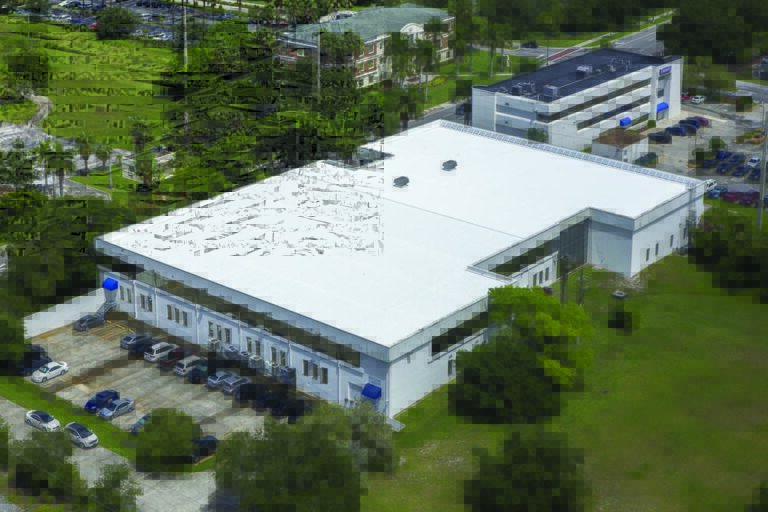
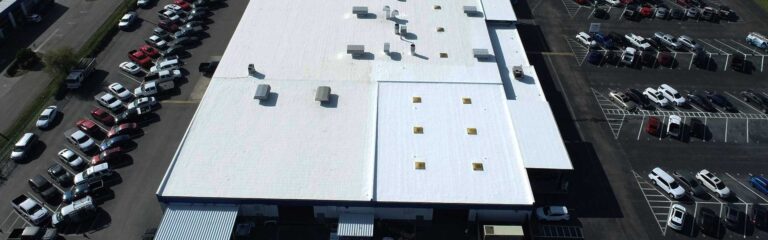
Low-slope or flat roofs are common on warehouses, shopping centers, industrial buildings, and large commercial facilities. Popular roofing systems for low-slope roofs include TPO, PVC, EPDM, modified bitumen, built-up roofing, and liquid-applied membranes.
Steep-slope roofs are more commonly found on residential properties but are occasionally used on commercial buildings such as churches, offices, or mixed-use developments. These roofs typically use metal panels, shingles, slate, or tile.
Common Commercial Roof Types and Systems
Single-Ply Roofing Systems: Single-ply membranes remain one of the most widely used commercial roofing options due to their flexibility and strength. These cost-efficient systems are installed in a single layer and fall into two categories: thermoplastic and thermoset membranes.
TPO (Thermoplastic Polyolefin) is highly reflective, making it an excellent choice for energy-efficient and cool-roof applications. Heat-welded seams provide strong waterproofing, and newer formulations offer improved durability and puncture resistance.
PVC (Polyvinyl Chloride) features reinforced layers that provide excellent chemical and fire resistance, as well as long-term performance, making it popular for restaurants and industrial facilities.
EPDM (Ethylene Propylene Diene Monomer) is a synthetic rubber membrane known for its exceptional flexibility and UV resistance. Due to its long service life, EPDM remains one of the most cost-effective and durable roofing solutions available.
Modified Bitumen Roofing: Modified bitumen roofing combines asphalt with polymer modifiers for increased elasticity and temperature tolerance. These systems are installed in multiple layers and can be applied using self-adhered sheets, torch-applied methods, or cold adhesives. Modified bitumen roofs perform well in harsh weather conditions and are rated for wind, hail, and fire resistance.
Built-Up Roofing (BUR): Built-up roofing systems consist of multiple layers of asphalt and reinforcing fabrics topped with gravel or a reflective surface. Known for their redundancy and durability, BUR systems have been used for decades and continue to perform well in extreme climates with frequent temperature fluctuations.
Metal Roofing Systems: Metal roofs are valued for their long lifespan and low maintenance requirements. Advances in coatings and panel design have improved corrosion resistance and energy efficiency, making metal roofing a popular option for both low-slope and steep-slope commercial applications that require a modern look.
Liquid-Applied Roofing Systems: Liquid-applied membranes are installed directly onto existing roof surfaces using spray or roller application. These systems create a seamless, fully adhered waterproof barrier and are ideal for complex roof shapes or restoration projects. Installation is minimally disruptive, making liquid roofing an excellent choice for facilities that must remain operational during installation.
Roof Coating Systems: Roof coatings, such as acrylic and silicone, are fluid-applied membranes designed to extend the life of existing roofs. These coatings improve reflectivity, reduce energy costs, protect against leaks, and help maintain consistent interior temperatures. In recent years, silicone coatings have gained popularity for their superior moisture resistance and durability in ponding water conditions.
Expert Commercial Roofing Solutions
Unicoat Industrial Roofing specializes in advanced roof coating and restoration solutions that help property owners avoid costly roof replacements while extending roof lifespan. If you’re seeking a cost-effective and versatile commercial roofing option, our experienced team can guide you through the entire process – from consultation to ongoing maintenance. Contact Unicoat Industrial Roofing today to learn how the right roofing system can protect your building and your investment.